From the Editor’s Desk: How Music Saved Me
This holiday season, I watched my concert photography peers share their 2025 highlight reels—the best moments from the pit, neatly curated and proudly posted. I tried to do the same. A few times.
But I couldn’t.
I think I’m too emotionally tied to the moments I capture to reduce them to a top ten or other themed post. Instead, I decided to reflect on my journey this year: on becoming a concert photographer, on building RØKKR, and on how music saved me.
It’s wild to think that a kid from Alaska would one day find himself as a professional photographer in the photo pits at historic NYC venues, and running a rock music publication. So, how does that happen?
I grew up in Kenai, Alaska — a small blue-collar town of five to ten thousand people, depending on the season. At the time, radio, cassette tapes, and eventually CDs shaped how I consumed music. But more importantly, how I imagined the world beyond my own isolated corner of it.
I was raised in a conservative Mormon household—no coffee, no rated-R movies—but my curiosity and hunger for music moved faster than my parents could police it. There were rules for what we could watch, where we could go, how we were supposed to live.
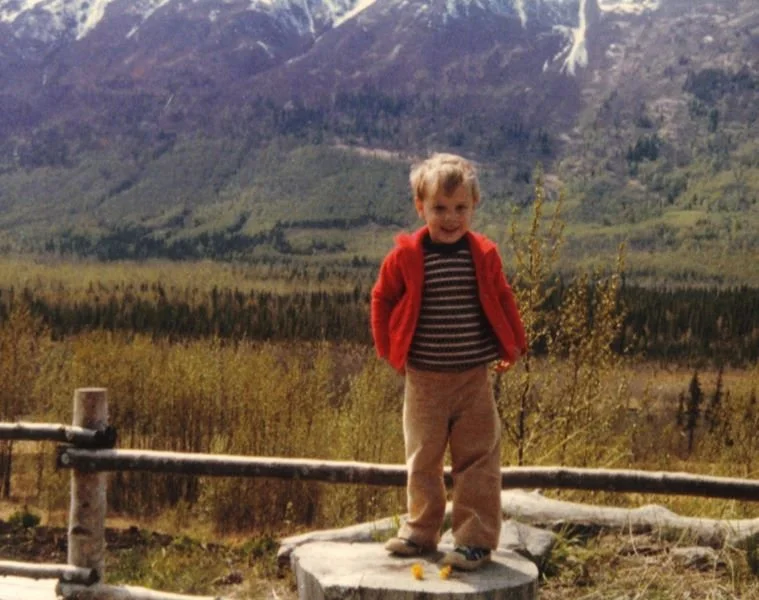
RØKKR’s editor in Alaska, 1980-something.
Pre-grunge. Pre-emo. Same fit, though.
Somehow, music slipped through the cracks. Before and after school, or as a young athlete on long away games (it’s Alaska, sometimes that was a four hours trip), interactions with friends and teammates became a way to exchange and share our favorite music. One of the earliest albums I bought with my own money… Red Hot Chili Peppers’ Blood Sugar Sex Magik. Maybe I remember it because I somehow bought it despite the parental advisory warning and kept the album title strategically hidden.
In my teenage years, long after my parents went to sleep, I would stay up and shuffle CDs, exploring rebellion, heartbreak, anger, longing. All things I didn’t yet have a language for, but somehow resonated with me. I learned that people lived differently, felt differently, questioned life differently.
I think there’s a term for people who physically feel music. Who get chills, goosebumps, a surge of emotions when that one song hits. Whatever it’s called, I experienced it early in life.
Eventually, my taste sharpened. I fell deep into grunge and the lore of the early Seattle scene. Bands like Mother Love Bone and Temple of the Dog setting the foundation for Pearl Jam, Alice in Chains and Soundgarden. They were in each other’s orbit, sharing stages and rehearsal spaces, giving voice to a generation that felt disconnected and alienated from the world it inherited from our parents.
My senior year of high school, just before graduation and leaving Alaska for college, Metallica played in Anchorage. With some help from my older brother, I convinced my parents to let me go. My first real concert. My brother kept to his seat, while I headed to GA. With some luck and an all-state lineman’s sense of space, I knew when to push, when to wait, and where the openings would form. I made it to the barricade.
Metallica. From the rail. In Alaska.
At the end of the night, as the band tossed souvenirs into the crowd, I locked eyes with Lars and reached just inches farther than everyone else. He handed me a drumstick. Insane.
(I still have that drumstick. It keeps guard over my vinyl collection and the piles of photo pass stickers and ticket stubs.)
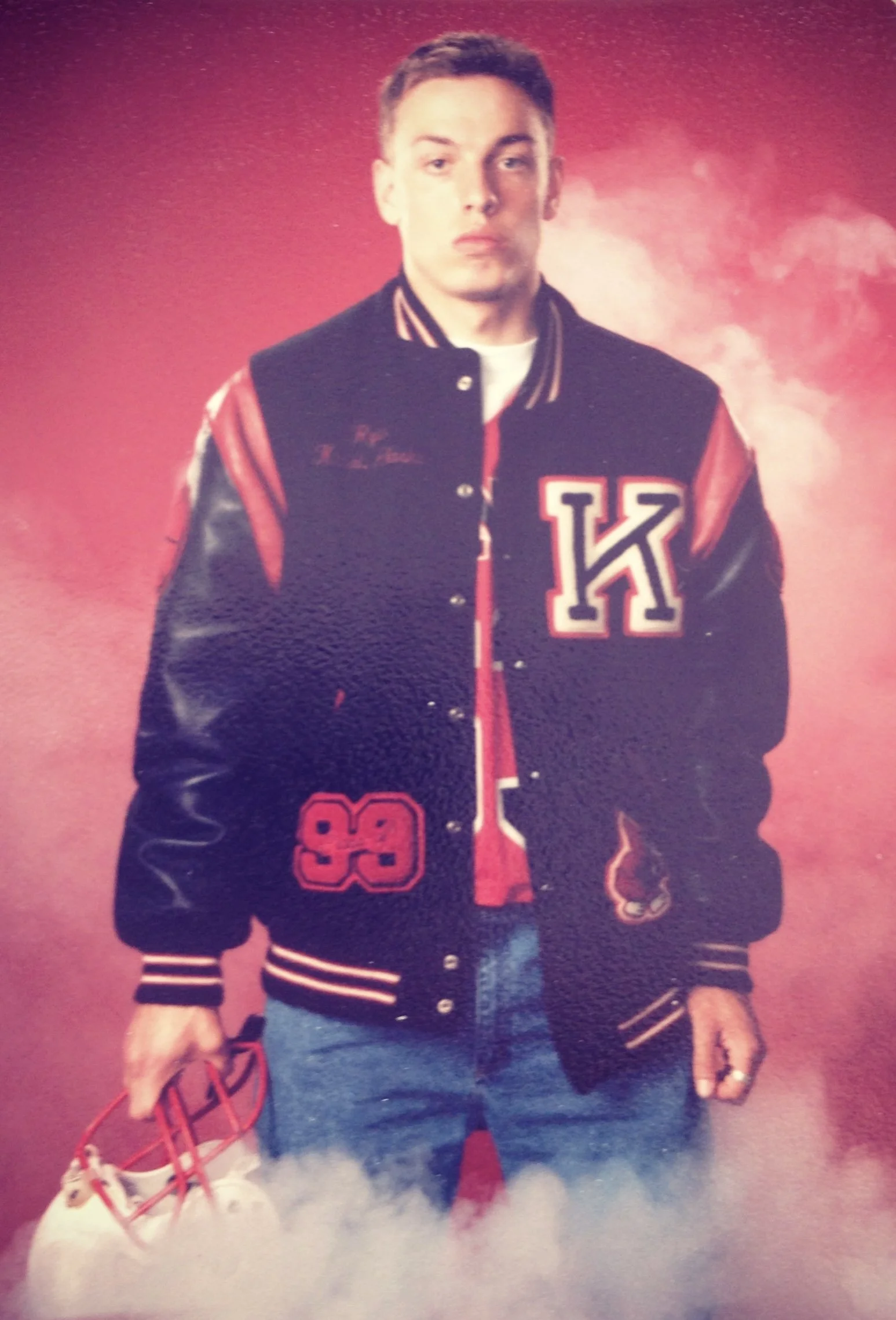
High school, football and thrash metal.
Also, the look I make at box office when they can’t find my photo pass.
Later in life, as a young father, metalcore rose alongside my generation. It bridged the heaviness of metal with the rawness and vulnerability of grunge. Killswitch Engage and System of a Down were on constant rotation. I was finishing my degree during a summer internship in NYC, away from my wife and first two kids, when Ozzfest landed on Randall’s Island.
I arrived early and secured one of the limited wristbands that allowed access to the front of the pit. From the second stage, I took it all in—Atreyu, Unearth, Norma Jean, Black Label Society. And… Ozzy Osbourne. Watching the Prince of Darkness from the second stage felt like standing on sacred ground. Later that day, I would take in Hatebreed, Avenged Sevenfold, Disturbed, and System of a Down. All from the barricade.
Time moved forward the way it always does. Religion fell away. A couple more kids arrived. Responsibilities stacked and priorities shifted. The music stayed, but it no longer lived at the center of things.
My relationship with it changed, just as my relationship with the mother of my children did. Music became background noise. A way to create distance so we didn’t have to talk. It used to be a staple of our long road trips out West, now it was a way to fill the space between two people who grew apart over time. By the end of 2023, we were separated. A few months later, divorced.
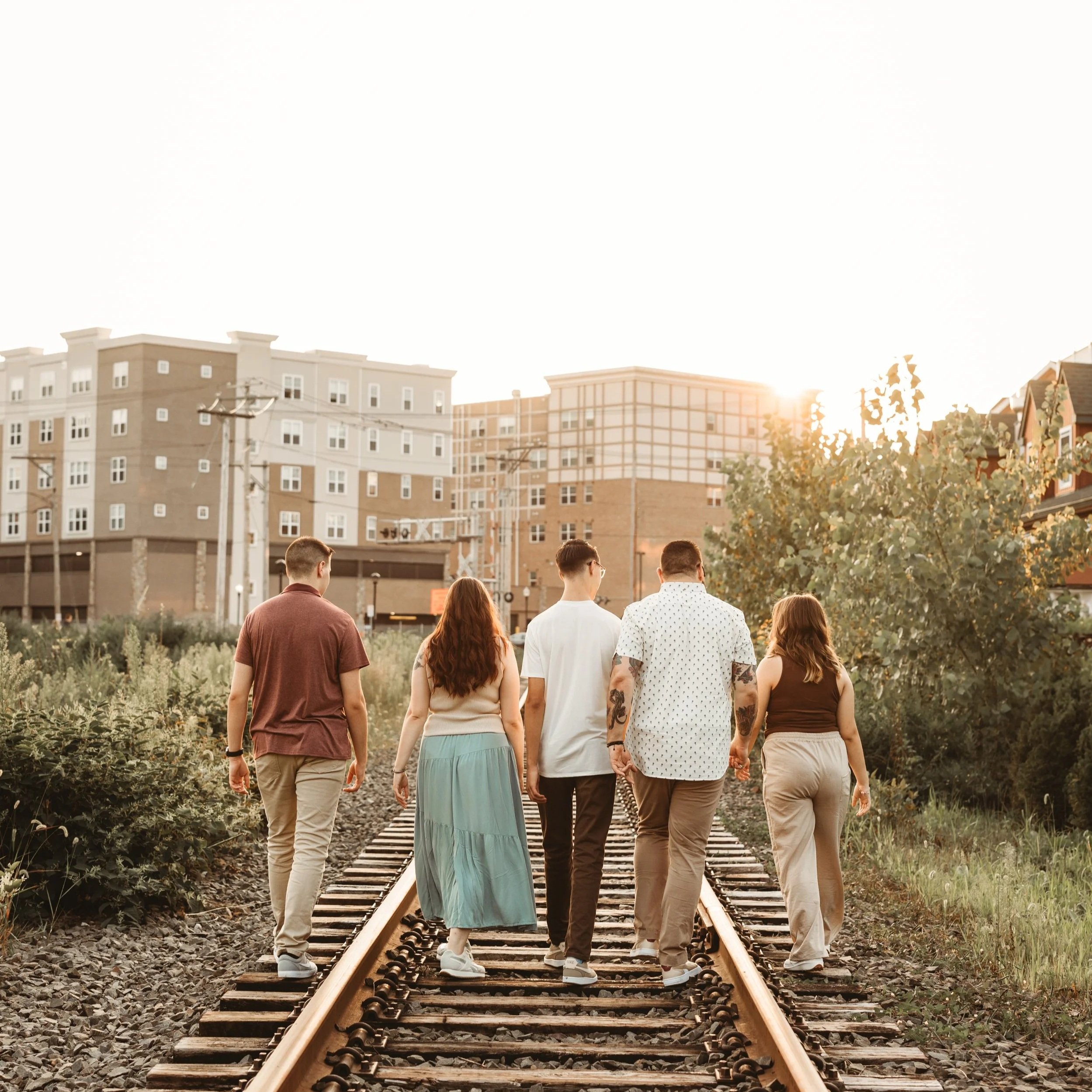
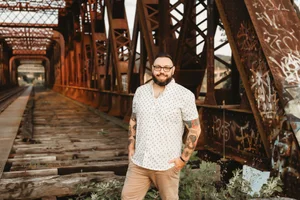
Daddy & The Baddies
Post-divorce era. Or cover art for an incredibly depressing Midwestern emo album.
It was a dark and confusing time. The days blurred together. I disappeared inside my own head. I didn’t recognize this version of myself. And then, somehow, music saved me. Again.
Friends from New Jersey invited me to see the incredibly talented elder emos of The Warped Tour Band at Starland Ballroom for my birthday. When they launched into a cover of “December” by Neck Deep, I broke down. I had just survived my first holiday season in this new chapter of my life, and that song hit differently.
It was the same feeling I had at Metallica as a graduating senior. The same feeling standing at Ozzy’s feet before starting my career on the East Coast. I was home. In a room full of people who needed escape, community, and a language to communicate their complex emotions.
I dove back into live music. Hard.
By the end of the year, I shot my first show—The Devil’s Twins at Alchemy in Providence, thanks to my dear friend and frontwoman Nicole Coogan. I was already an established portrait photographer, and the transition felt natural.
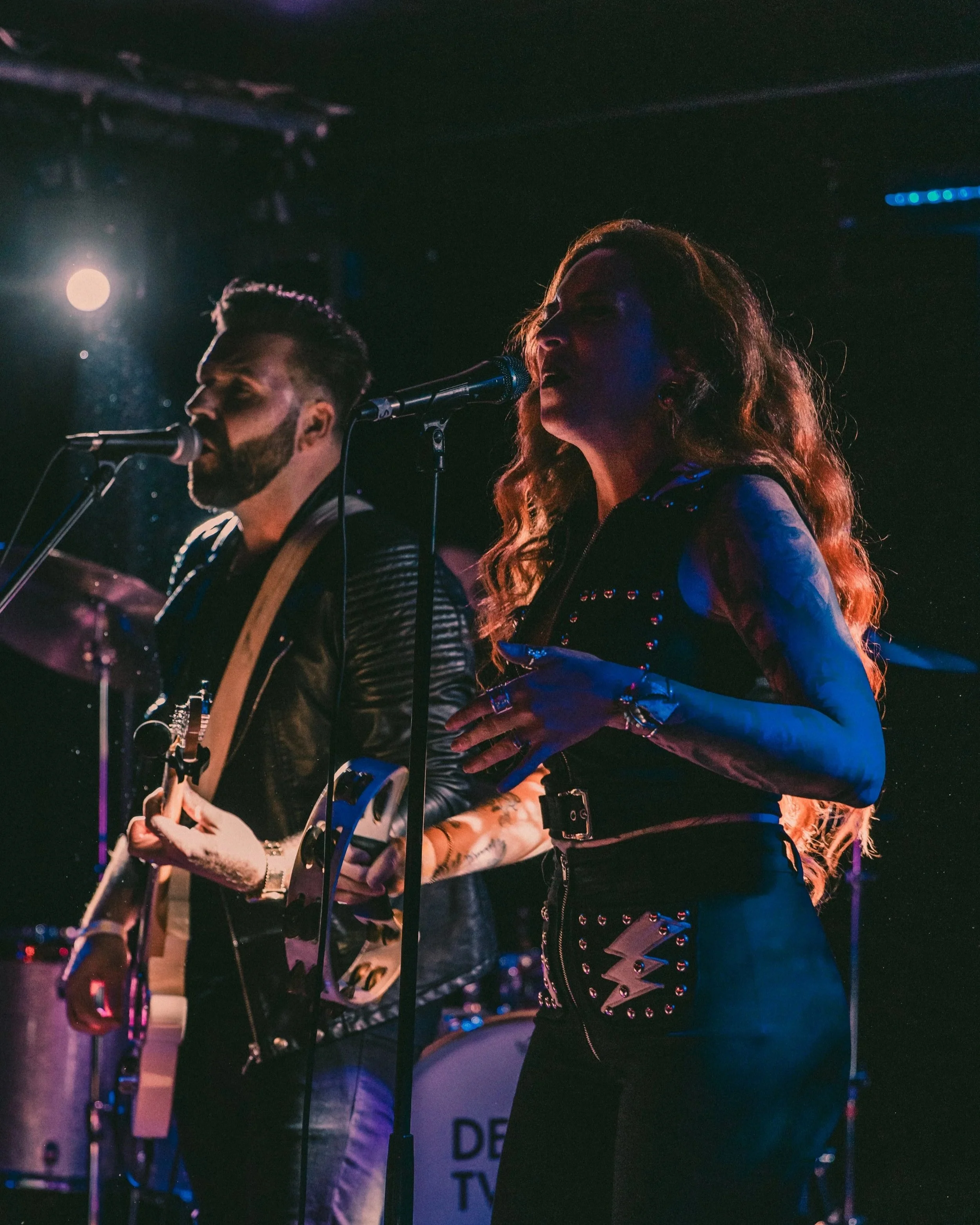
The Devil’s Twins at Alchemy in Providence, Rhode Island — September 20, 2024
Somehow, without an outlet, I secured photo passes for Social Distortion, Soul Asylum, and more. I aligned with The Concert Chronicles, and suddenly I was shooting weekly—sometimes more. Then came the next shift.
In April of this year, Killswitch Engage came through Connecticut, where I live with my kids, now teens and adults. By the grace of the metal gods, I secured a photo pass. Those first three songs from the barricade felt endless. Time slowed. My body buzzed.
That night, RØKKR was born. I knew my time at TCC was limited. I wasn’t chasing trending artists or genre-hopping anymore. I wanted a publication rooted entirely in rock culture.
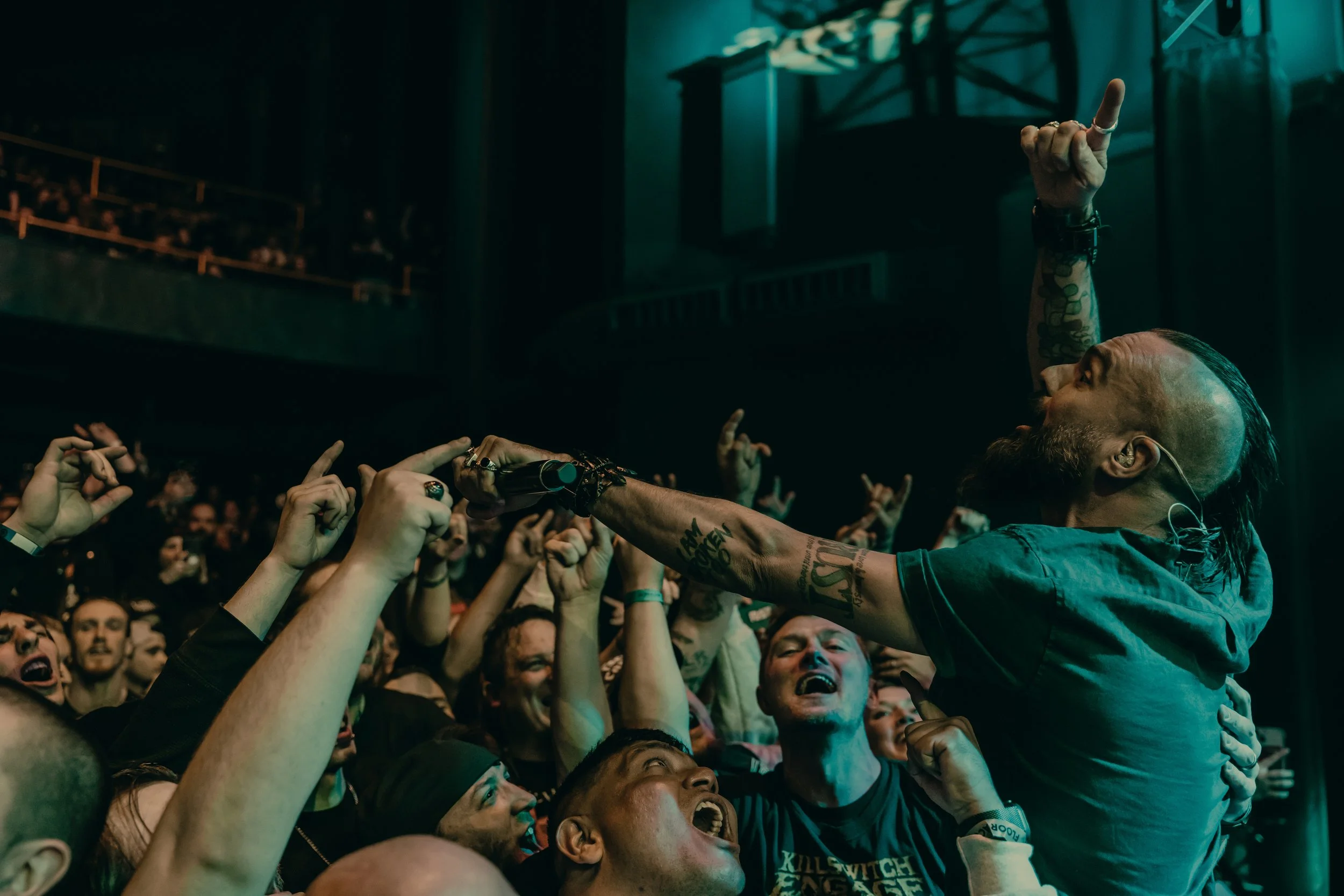
Killswitch Engage at College Street Music Hall in New Haven, Connecticut — April 8, 2025
That night also marked the beginning of music becoming the glue between me and my kids. They were at an eerily similar point in their lives to when music had shaped and carried me.
It started with Killswitch. From there, they joined me in GA at more shows. We shared new music and old favorites, the same way I once traded discoveries with teammates. Through music, we healed. Punk taught acceptance. Emo a gave voice when we otherwise felt out of place. Metal gave us a physical and emotional release. By year’s end, I was photographing Atreyu and Unearth, my first time seeing them since Ozzfest. Camera in hand, my oldest kid beside me.
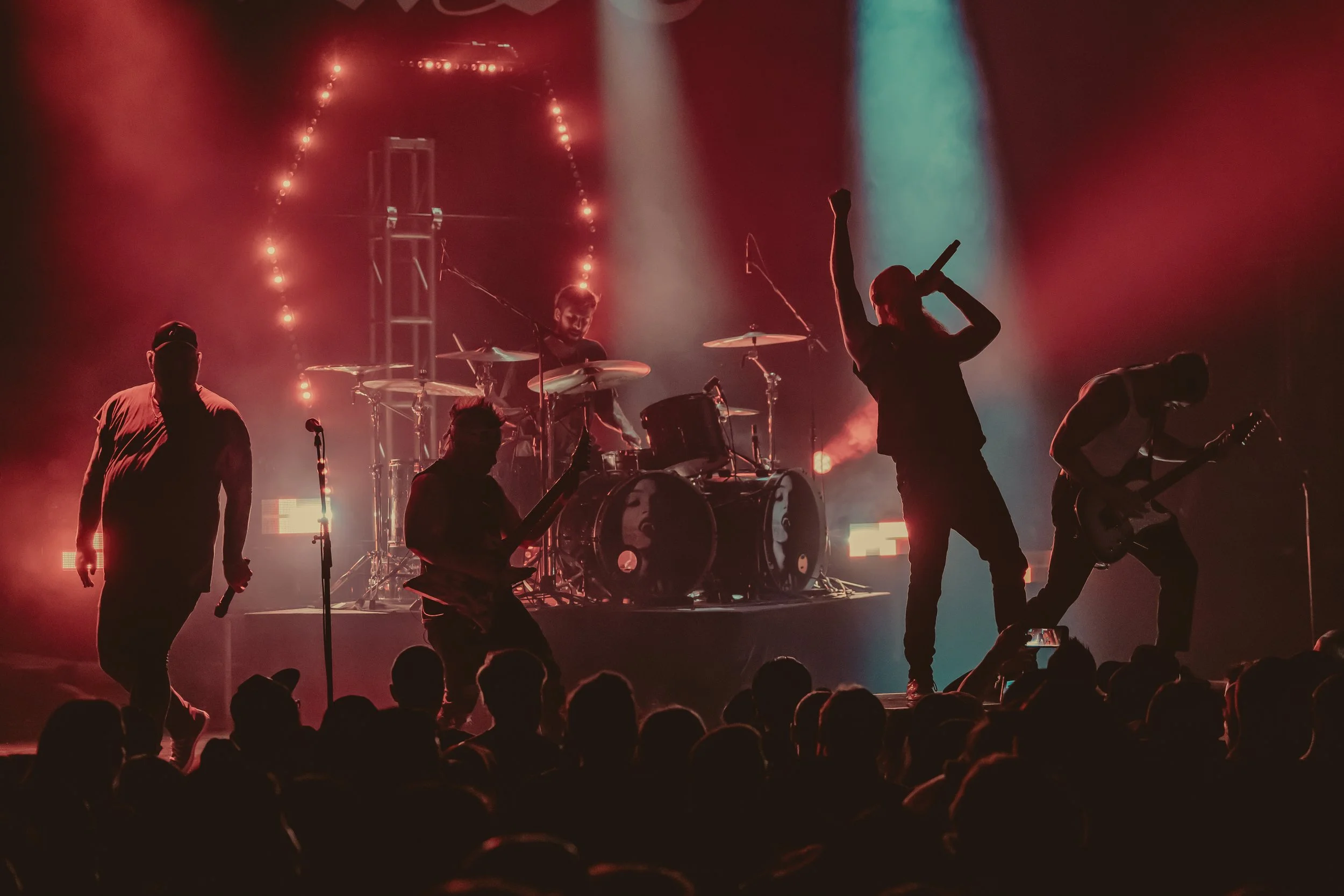
Atreyu at District Music Hall in Norwalk, Connecticut — November 22, 2025
One of the most healing moments came on Father’s Day, photographing Billy Corgan. I was once a misunderstood teen lost inside the tracks of Mellon Collie and the Infinite Sadness, now a divorced dad finding his footing again—listening to the same songs, but hearing them differently.
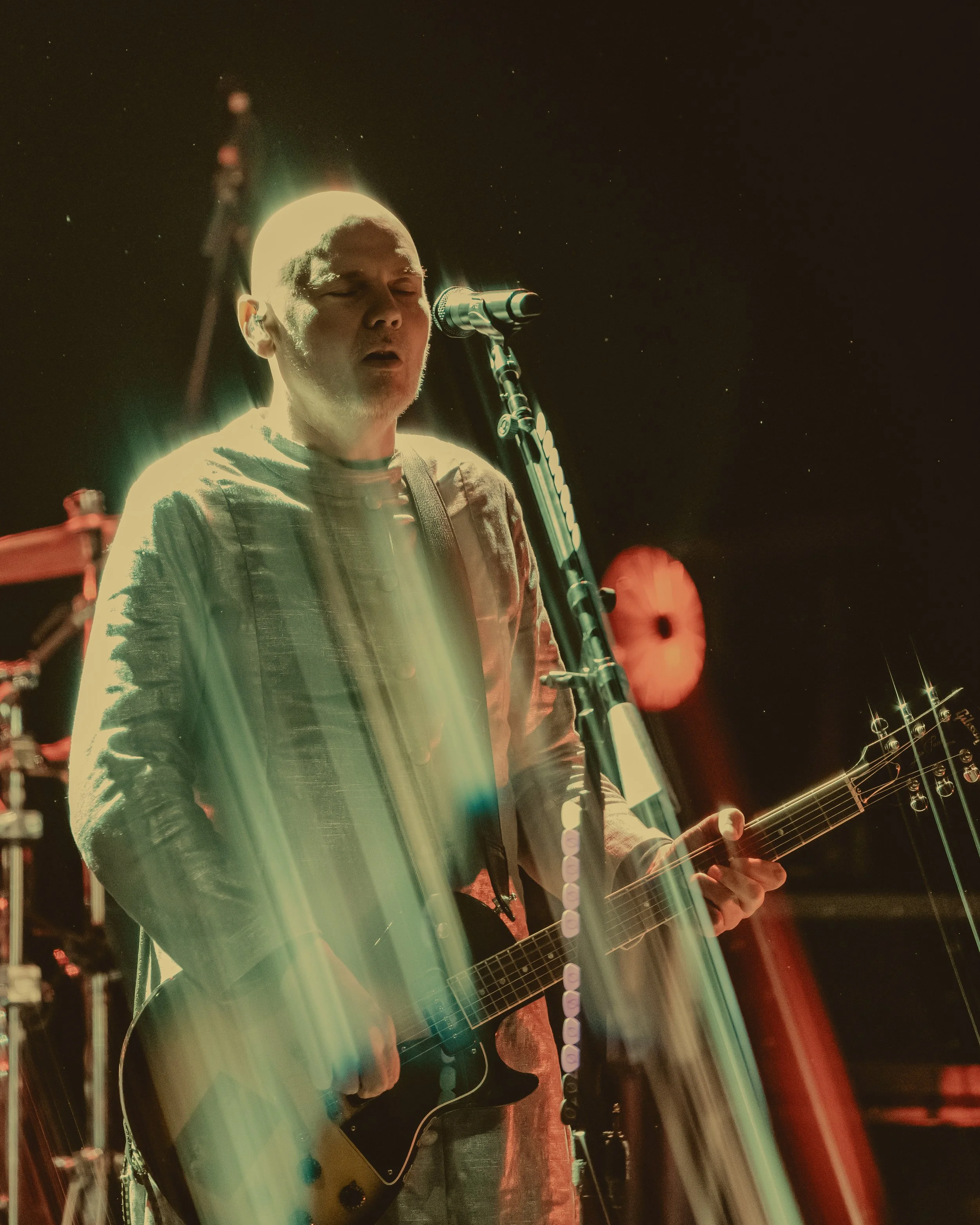
Billy Corgan and The Machines of God at Irving Plaza in New York, New York — June 15, 2025
Another came through Falling in Reverse. I met Maverick—a kid inspired by Ronnie’s music while battling cancer. We told his story on RØKKR, and afterward I sent him prints of his favorite images from that night. Later, I learned that Ronnie treated Maverick like a VIP at Warped Tour Orlando, bringing him onstage to introduce him to fans and then signing those very prints he had carried with him.
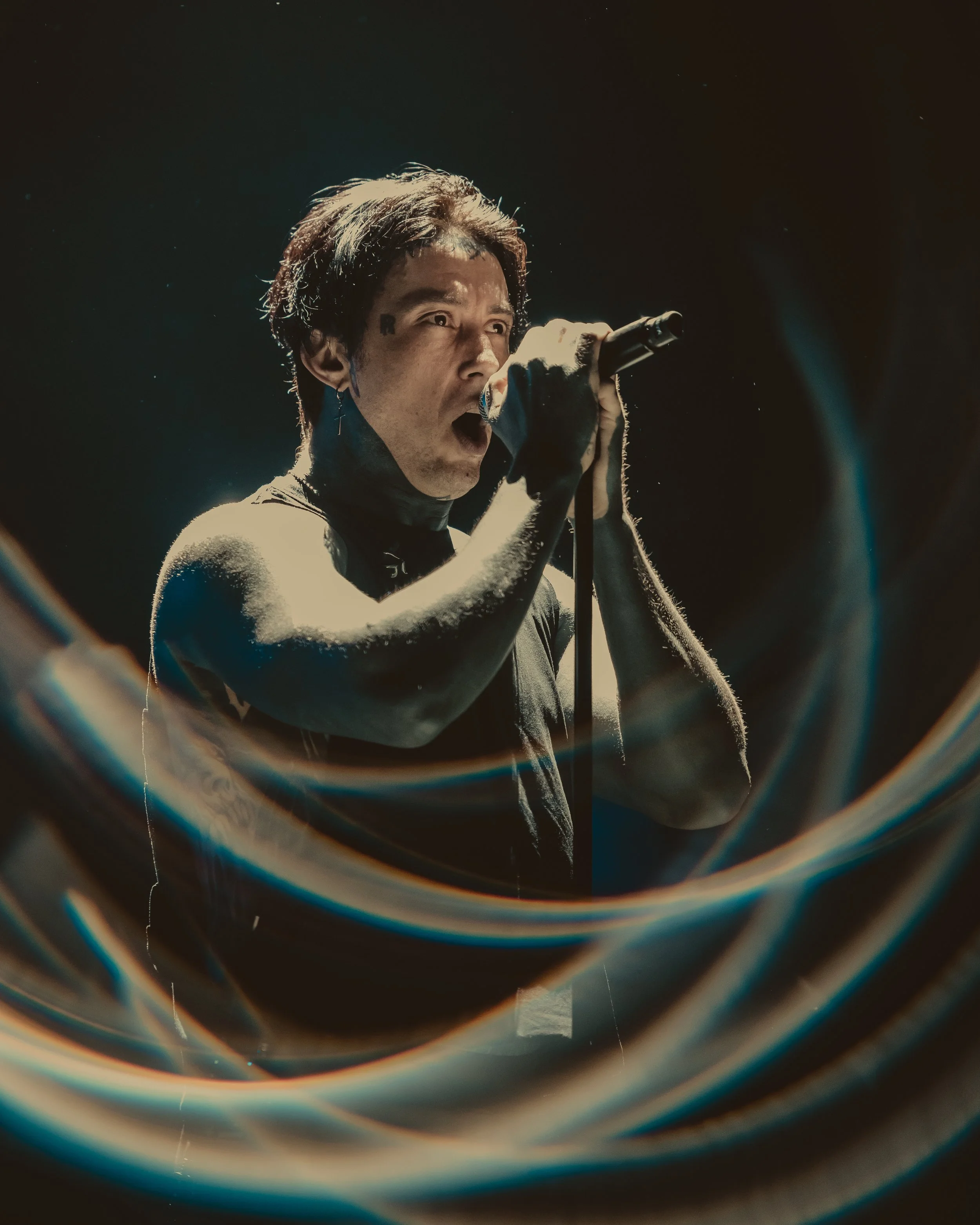
Falling in Reverse at Xfinity Theatre in Hartford, Connecticut — September 14 2025
That’s why it’s so hard for me to choose a set of “top” images. My photographs aren’t just records of shows. They are how I hold onto those core memories where we lose ourselves in something bigger. The emotion on faces mid-song. The surreal tension between light and shadow. The split second where an artist and a crowd meet and the rest of the world falls away. That’s what I’m chasing.
And now RØKKR is growing, shaped by talented contributors across the country who share my vision of preserving those deeply healing moments between artists and crowds.
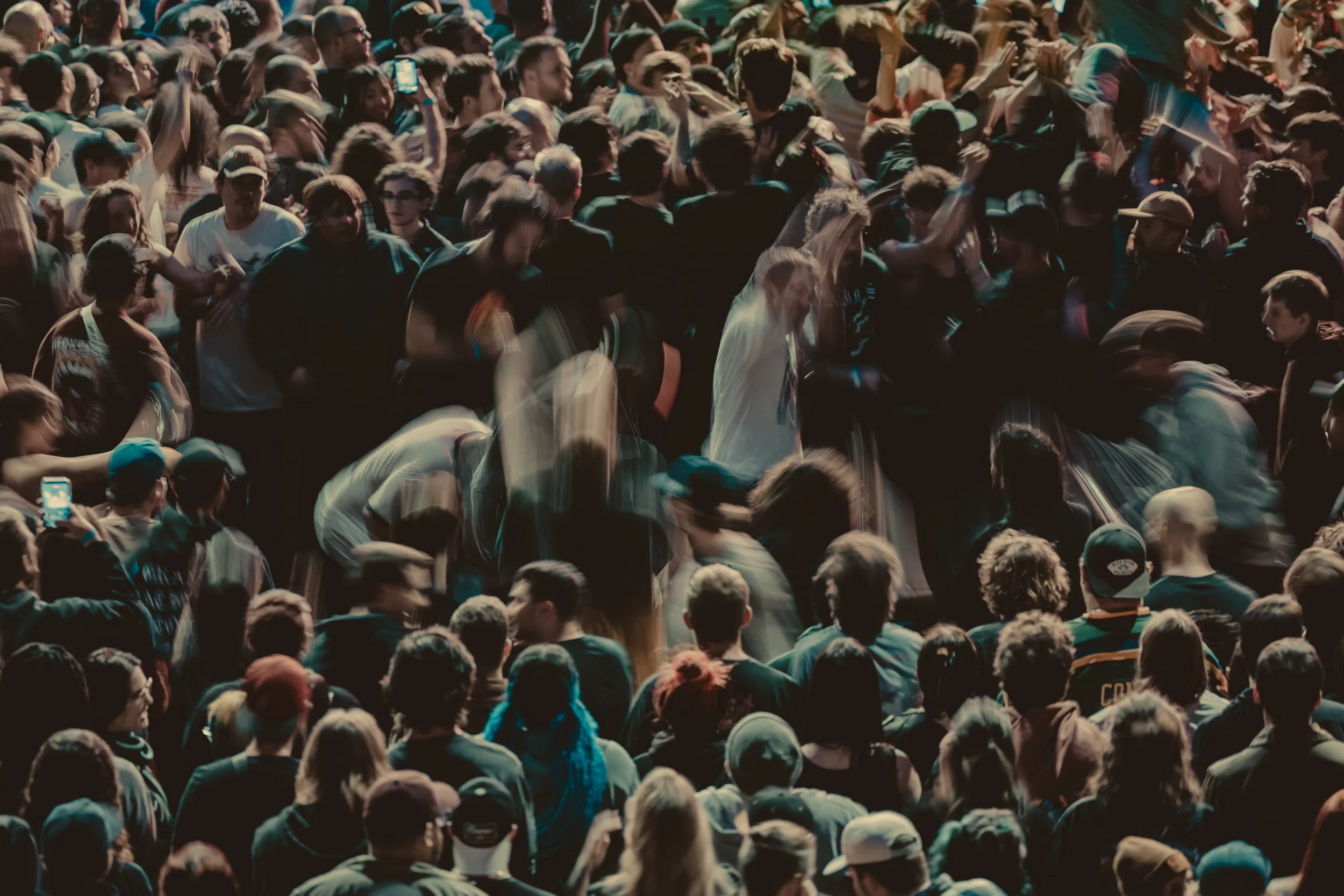
The next time you’re at a show and that familiar chord hits. When you get those chills or feel that lump in your throat…look around. Hundreds, maybe thousands of people are feeling it too. You all have different stories of how you got there, just like I’ve shared here. But in that moment, you’re experiencing the same release.
And that, my friends, is powerful as f*ck.
Always listening,
RYAN REID | Founder & Editor, RØKKR Press