
The 5 Things I Learned in My First Full Year of Concert Photography
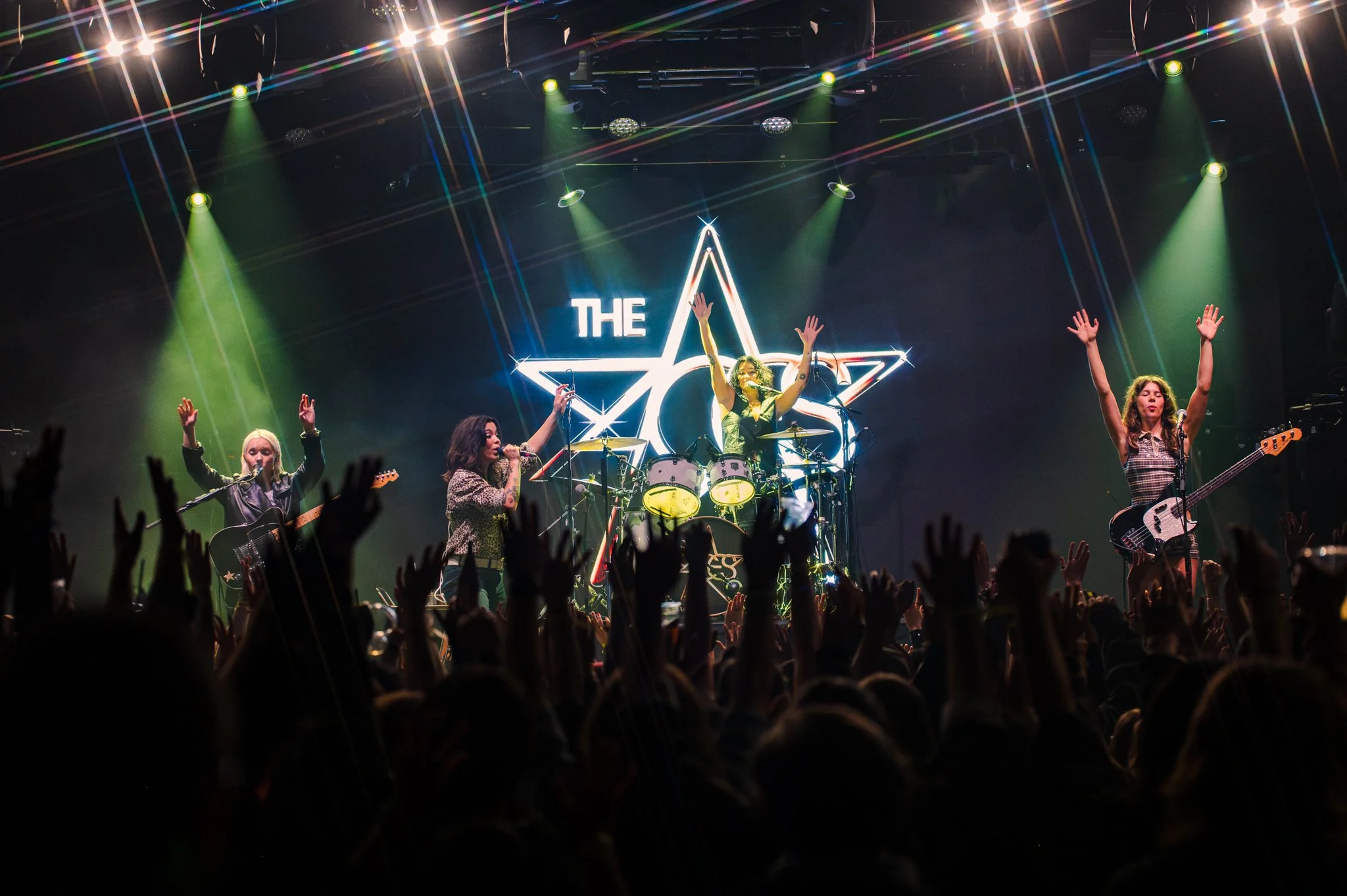
All photos by Nathan Smith
Editor’s Note: This article was first published on nathansmithphotos.com. Original article can be found here.
One year. Roughly 100 artists. Countless late nights. More ringing ears than I’d like to admit.
When I started shooting concerts, I thought it was mostly about access. Getting approved, getting in the pit, getting the shot. What I’ve learned is that it’s way more about perspective. On the music. On the craft. And most importantly, on yourself.
Here are five lessons that reshaped how I approach this whole thing after my first full year of doing concert photography.
1. You’re Not Going to Shoot Every Show. And That’s Okay
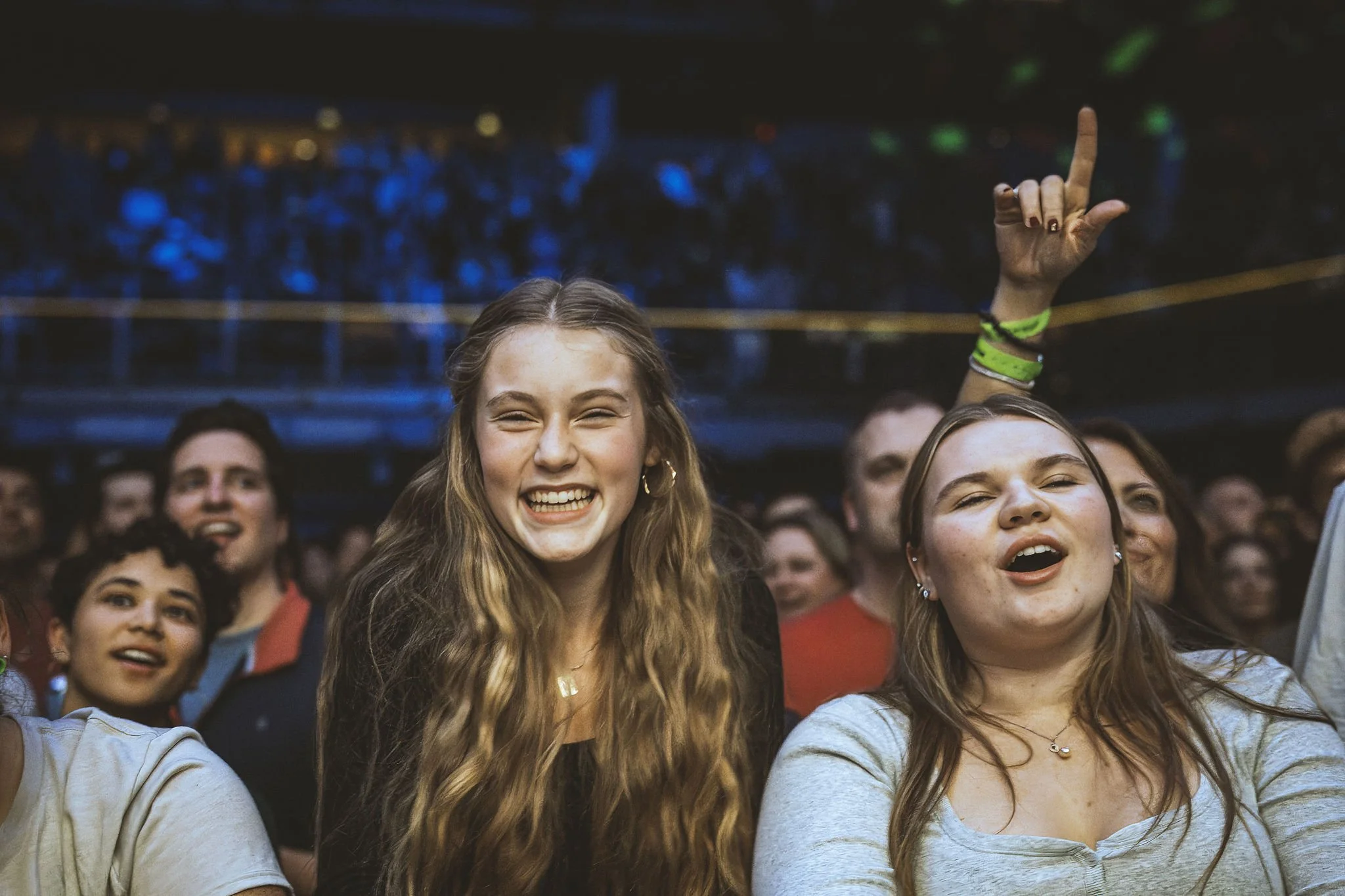
FOMO in concert photography remains undefeated.
You’re going to see other photographers get approved for arena shows you desperately wanted. You’ll have overlapping gigs. You’ll have nights where you’re just tired. Or broke. Or busy. Or human.
I’m not perfect at navigating this. I still feel that little pang when I see someone post from a show I missed. But here’s the truth: this industry is not a race.
The goal isn’t to shoot everything. The goal is to shoot what excites you.
If you chase every credential just to keep up, you’ll burn out fast and lose the passion that got you into this in the first place. If you chase the music you actually love, your work will reflect that. And that’s the difference between a portfolio that feels alive and one that feels obligatory.
Focus on your lane. The right shows will come.
2. Your Best Shots Aren’t Always From the Pit
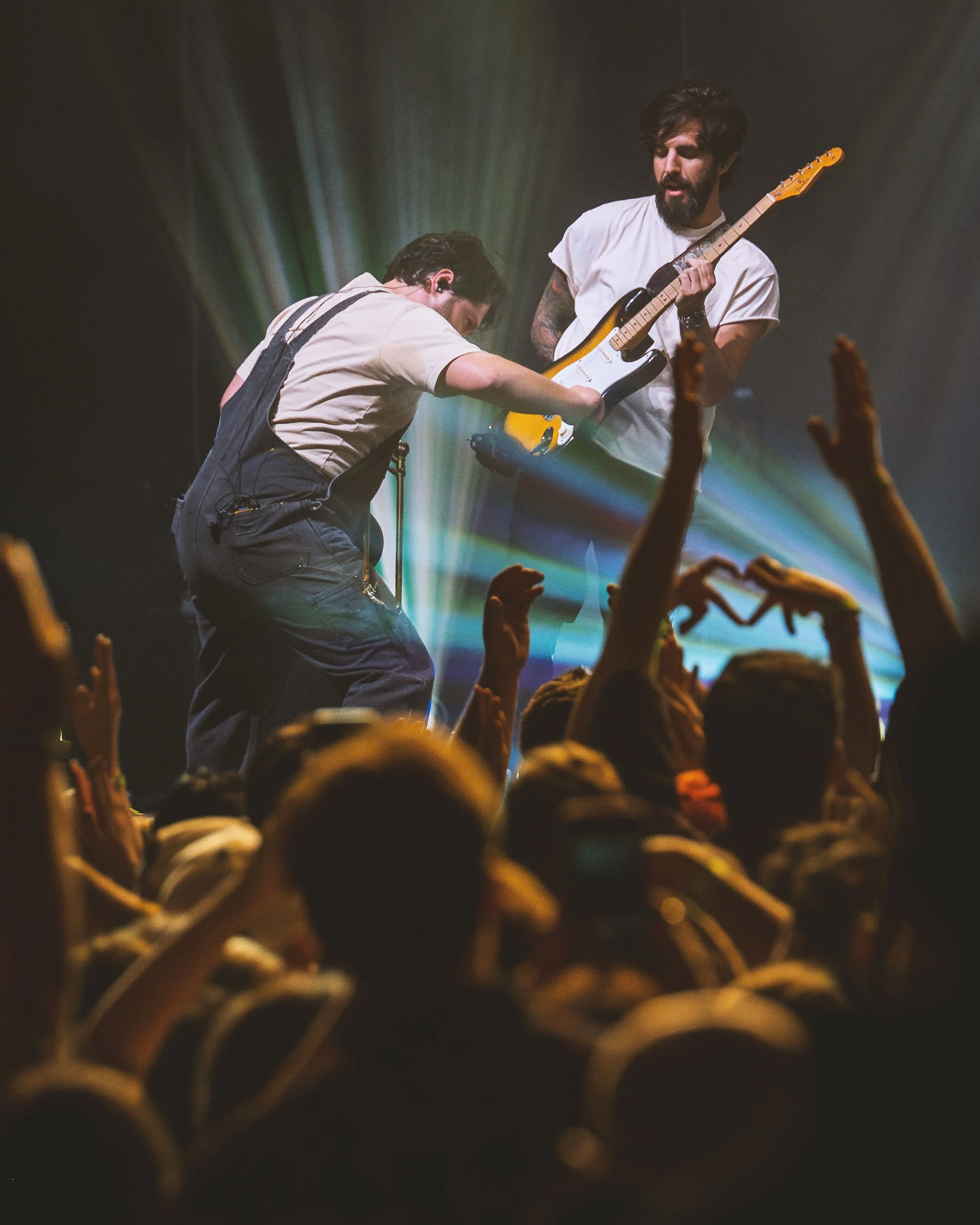
Ripe at MGM Music Hall
We all love those first three songs in the photo pit. It’s chaotic, it’s intense, let’s be real, that access makes you feel like royalty.
But some of my favorite images from this year? Not from the pit.
If you have the opportunity to keep shooting from the crowd after your pit time is up, take it. The show evolves after those first three songs. Artists loosen up. Lighting changes. Big emotional moments happen.
And from the crowd, you can layer your shots:
A hand throwing the rock sign in the foreground
Fans framing the artist
Silhouettes against backlight
Real, lived-in atmosphere
That’s when you pull out the 70–200 and get to work.
Shooting from the crowd forces you to think compositionally instead of reactively. It pushes you beyond “documenting” and into storytelling.
The pit gives you access. The crowd gives you context.
3. Gear Isn’t Everything

Of Monsters & Men at Brooklyn Paramount
I’ve seen photographers absolutely cook with crop sensors and variable aperture lenses.
I’ve also seen beginners walk in with the latest full-frame mirrorless bodies and premium glass… and produce painfully average work.
The camera doesn’t make the photographer. The photographer makes the camera.
Work with what you have until you genuinely feel constrained by it. That limitation will force you to understand the fundamentals:
Aperture
Shutter speed
ISO
How they actually interact
When you know how to control light instead of hoping your camera saves you, your work levels up.
Upgrade gear when you’ve outgrown it, not because Instagram convinced you to.
4. Don’t Be Afraid of High ISO
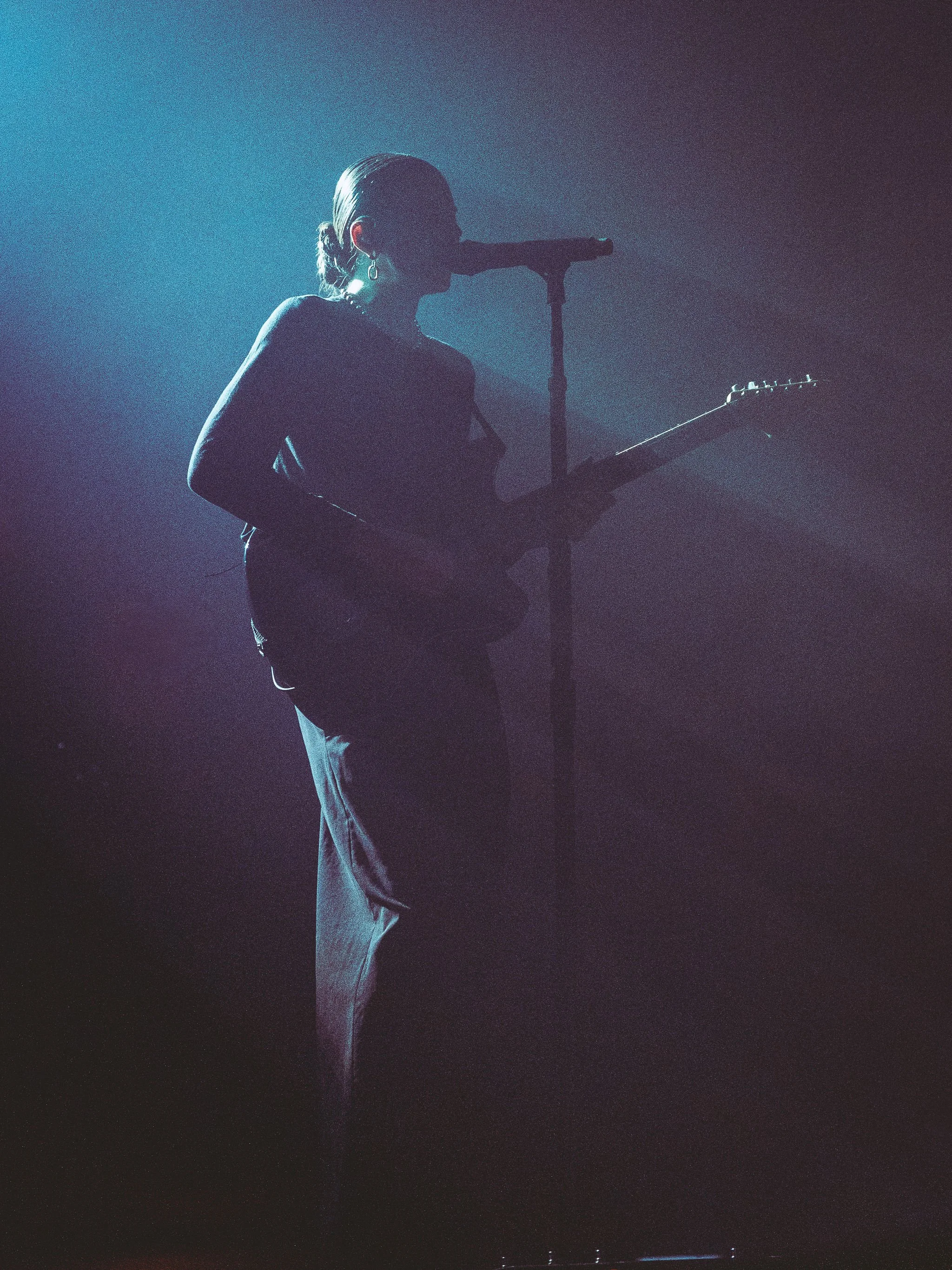
PVRIS at Roadrunner in Boston
Concerts are dark. That’s not a bug. It’s the job.
I used to be afraid of pushing ISO too high. I didn’t want noise. I wanted clean, glossy images. What I learned quickly is this:
You can fix grain.
You can’t fix motion blur.
A grainy, sharp image beats a clean, blurry one every single time.
Modern denoise tools are wildly good. Lean on them. Embrace the texture. Some grain even adds grit. And grit belongs in live music.
If you’re choosing between 1/50 and 1/250 shutter speed in chaotic lighting, take the faster shutter and accept the noise. Your future self will thank you when you’re not staring at 200 slightly-soft files in Lightroom.
5. Presets Are Fine. But They’re Not the Finish Line.

Cage the Elephant at MGM Music Hall
Let’s just say it: using presets is okay.
They’re great for inspiration. They help you understand color grading. They can speed up your workflow. Especially when you’re editing 300 photos at 1am.
But a preset is a starting point, not a personality.
Too many photographers slap on a preset and move on. That’s how you end up with inconsistent skin tones, blown highlights, crushed shadows, and images that don’t actually fit the moment. It’s also how you end up with images that look painfully boring.
You still need to:
Adjust exposure
Tweak white balance
Fix skin tones
Crop intentionally
Apply composition fundamentals
No preset is going to magically apply the rule of thirds for you. And framing alone can take a photo from decent to undeniable.
One of my favorite photographers once told me they didn’t truly unlock their style until they got weird in editing.
This is a creative industry. Try things. Break things. Push colors too far and pull them back. Experiment. You’ll find your voice in the process.
Final Thought

Gouge Away at Fête Music Hall
After a year, here’s the biggest realization:
Concert photography isn’t about chasing access or chasing perfection. It’s about chasing moments, and getting better at seeing them.
You won’t shoot everything.
You won’t nail every frame.
You won’t always have perfect light.
But if you stay curious, stay patient, and keep showing up for the music, you’ll build something that feels real. And honestly? That’s the shot that matters most.
