Ten Years of Much Love, Wounds Reopened Properly: Microwave in Columbus
The Newport Music Hall has a way of holding onto things. Sweat, sound, memory. A sacred location that has played home to some of the best musical acts to bless the Midwest. On this night in Columbus, it felt like a place built specifically for what Microwave came to do—revisit a record that never really left the people who needed it. Ten years of Much Love. Not a victory lap. Not nostalgia for nostalgia’s sake. More like reopening a scar just to see if it still hurts the same.
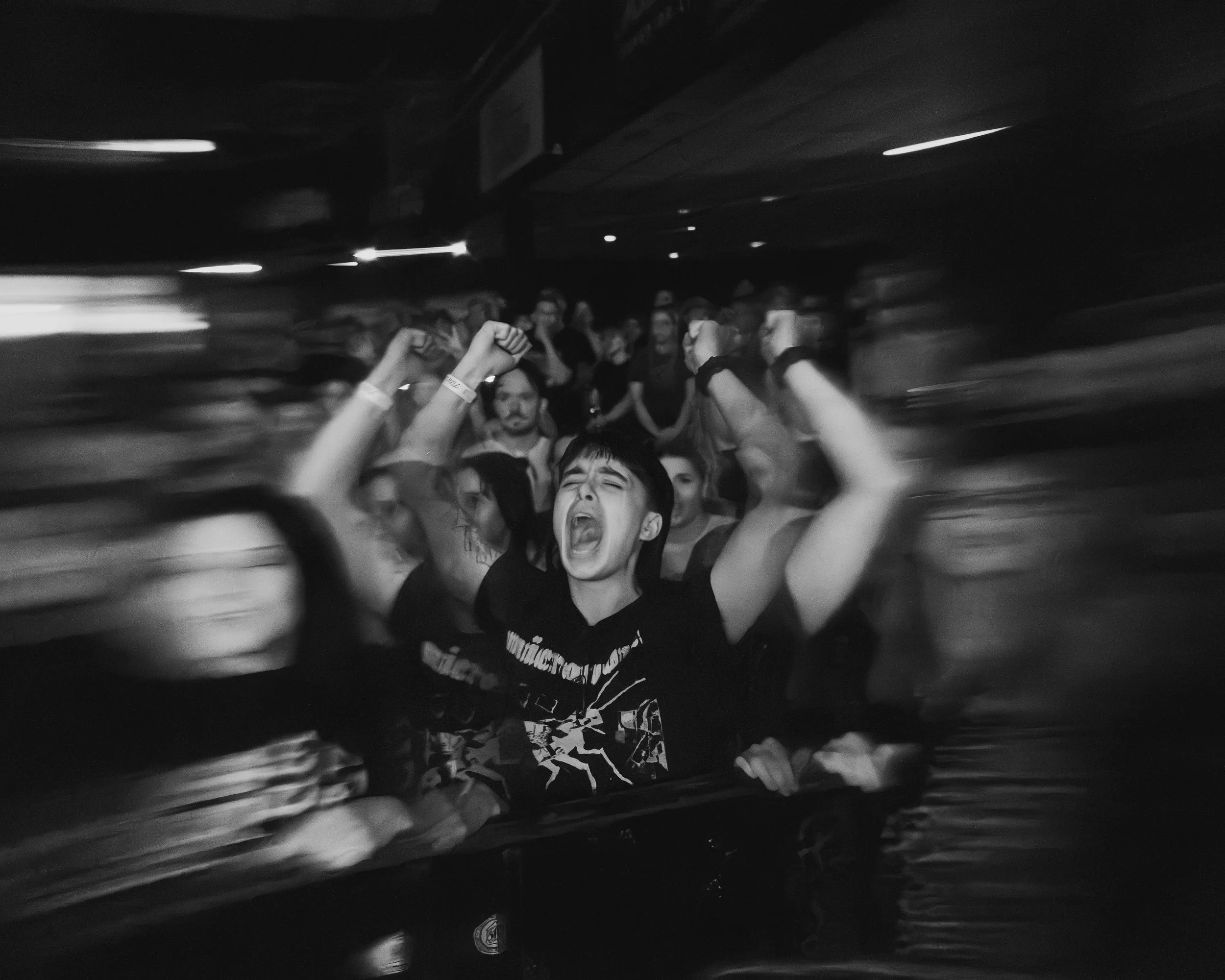
The room filled early. It was a different kind of crowd. Less spectacle, more intention. People here weren’t chasing a moment; they were returning to one. It felt like a class reunion of sorts. Everyone converging on the Newport for the sole purpose of participating in this very special brand of melancholy, the kind that only Microwave and friends could provide.
The openers set the tone without overstaying their welcome.
INTO IT. OVER IT.
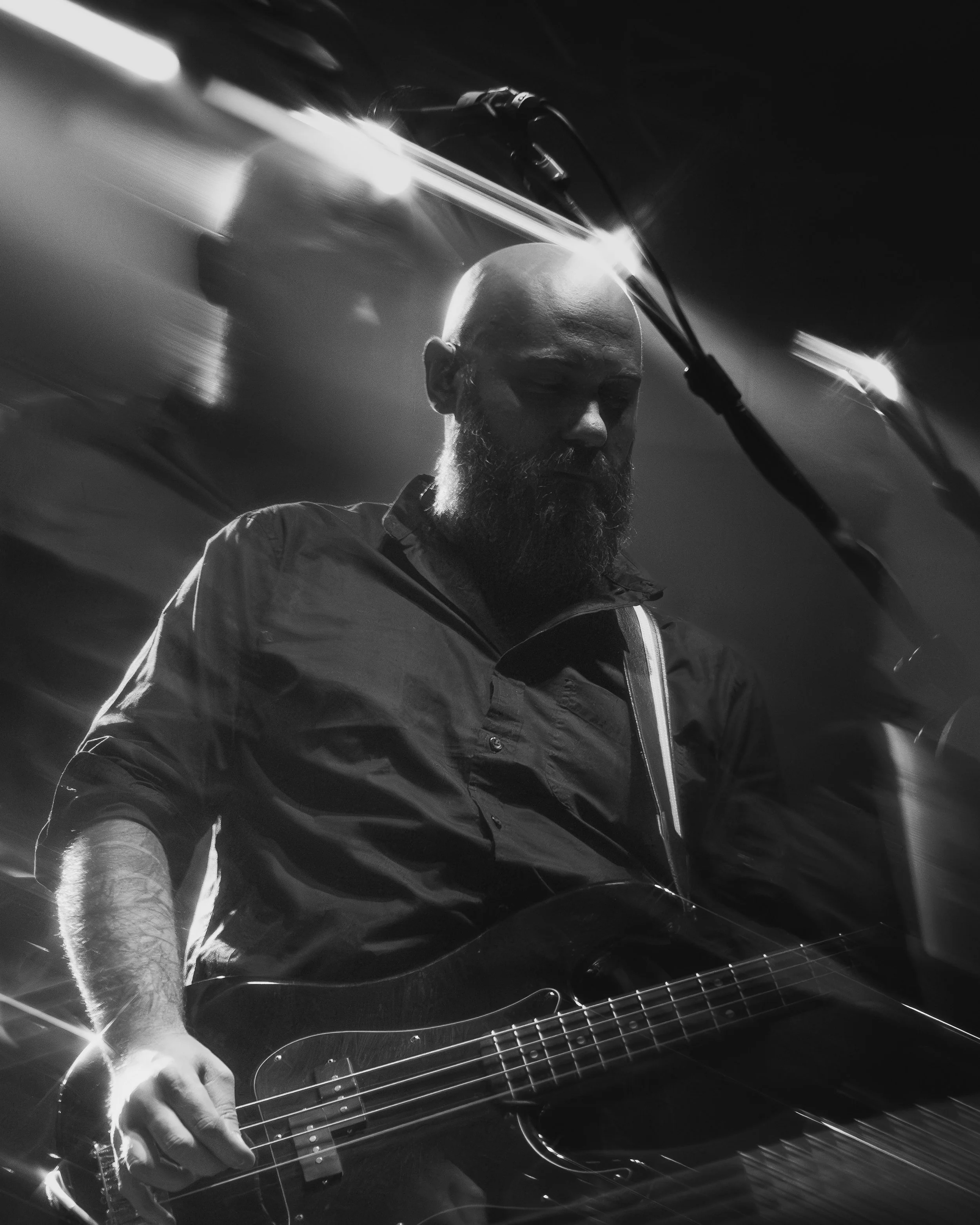
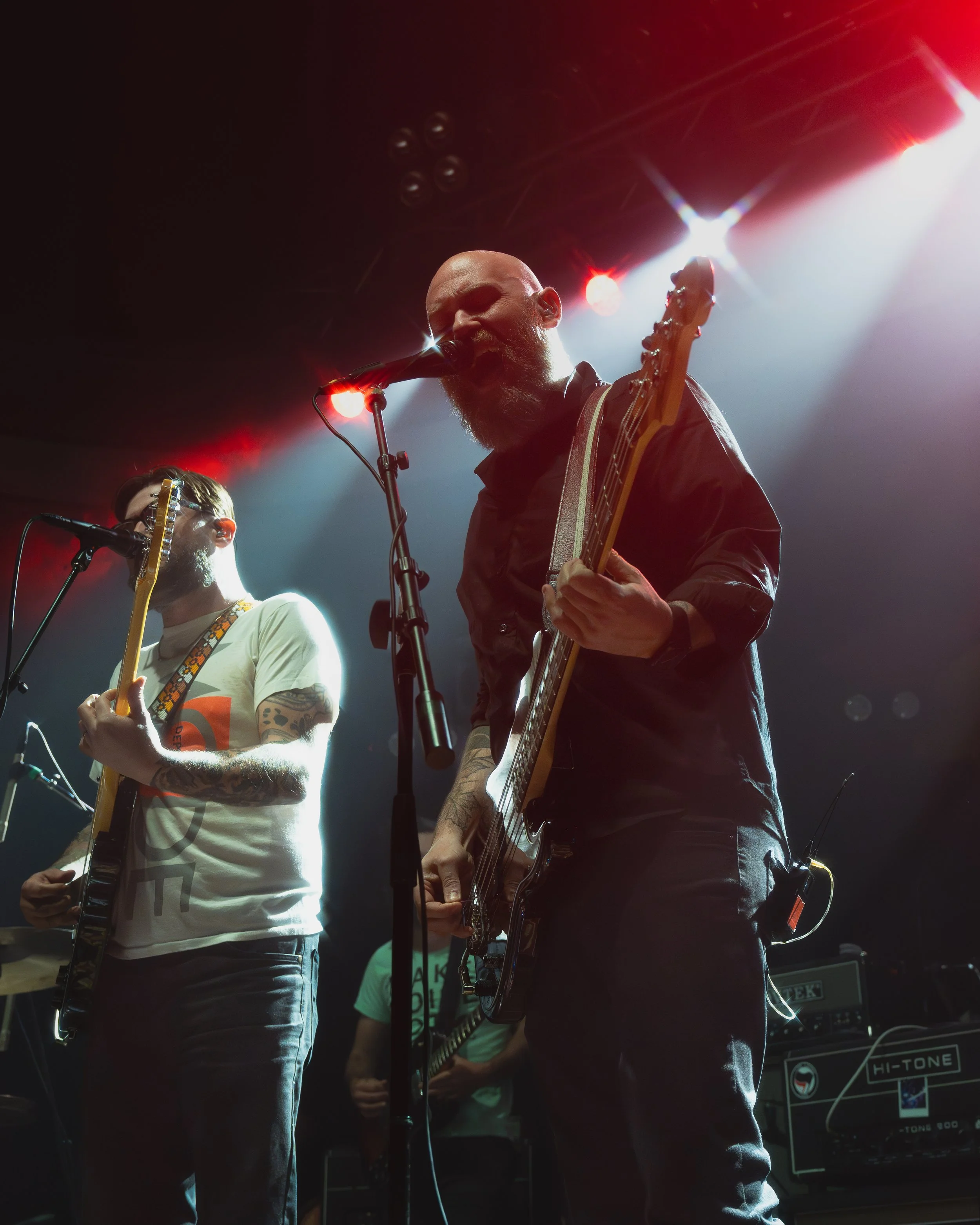
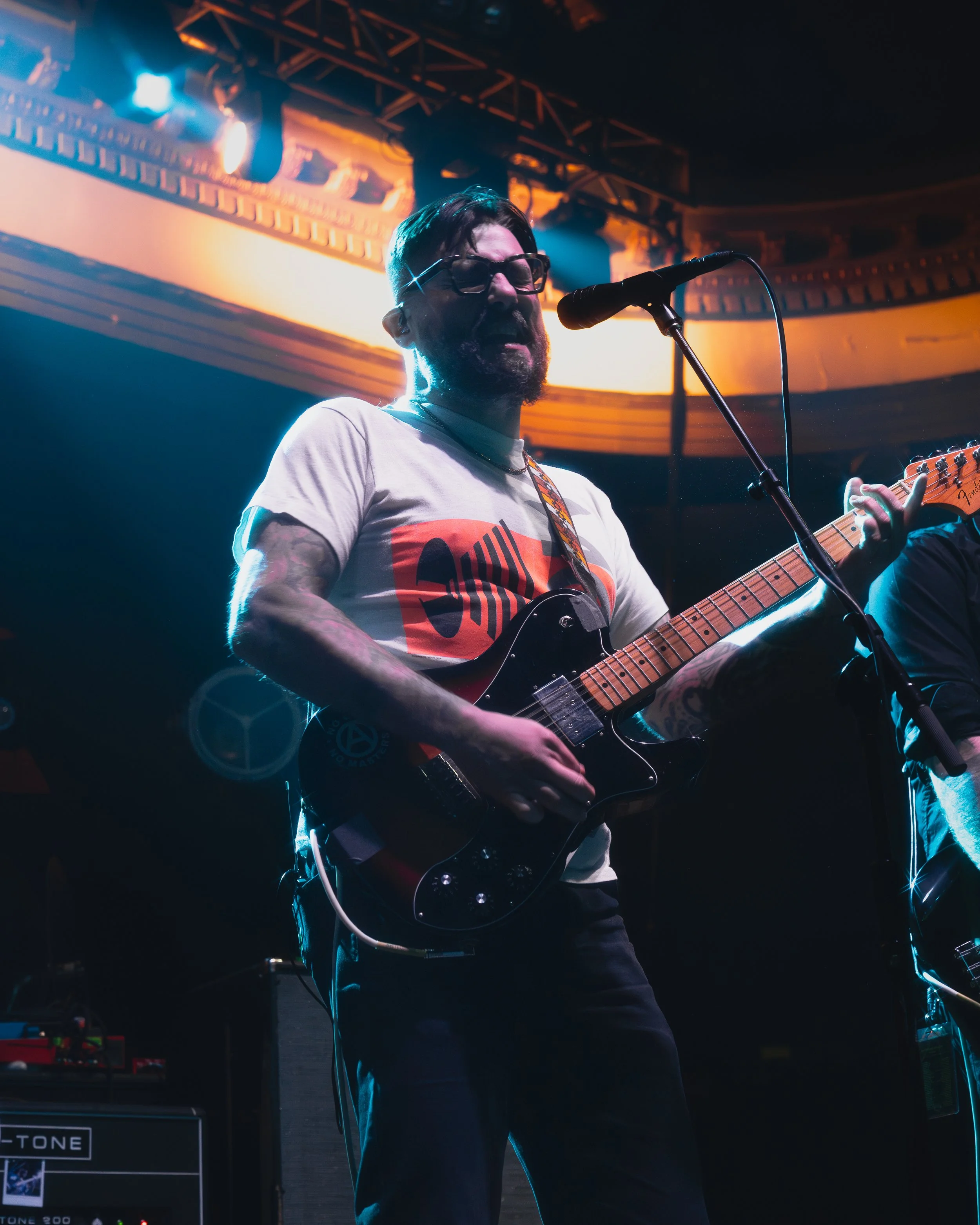
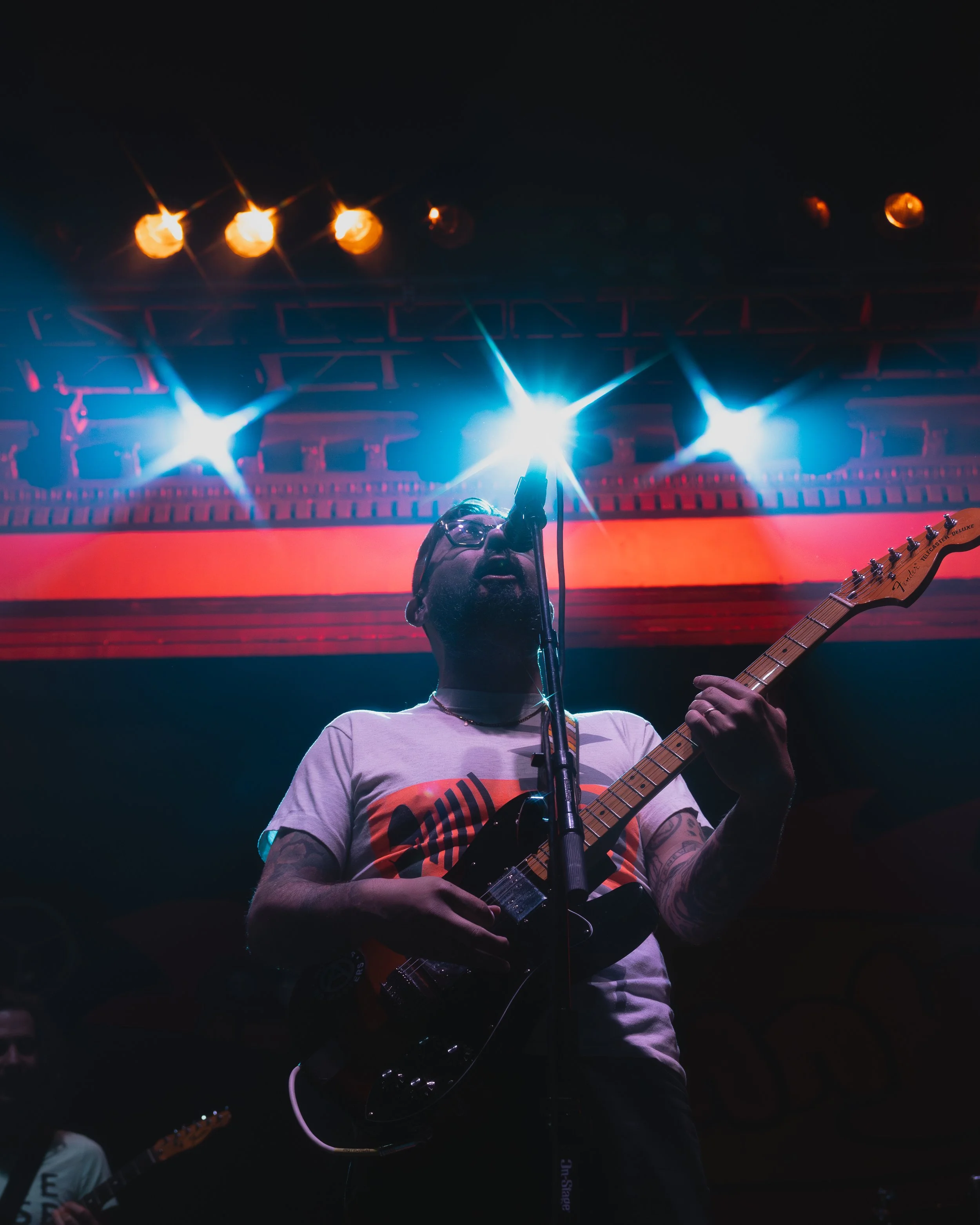
Into It. Over It. leaned into something quieter and more deliberate. Songs that don’t shout for attention, but earn it slowly. There’s a patience to that kind of performance, and the room met it halfway.











HUNNY
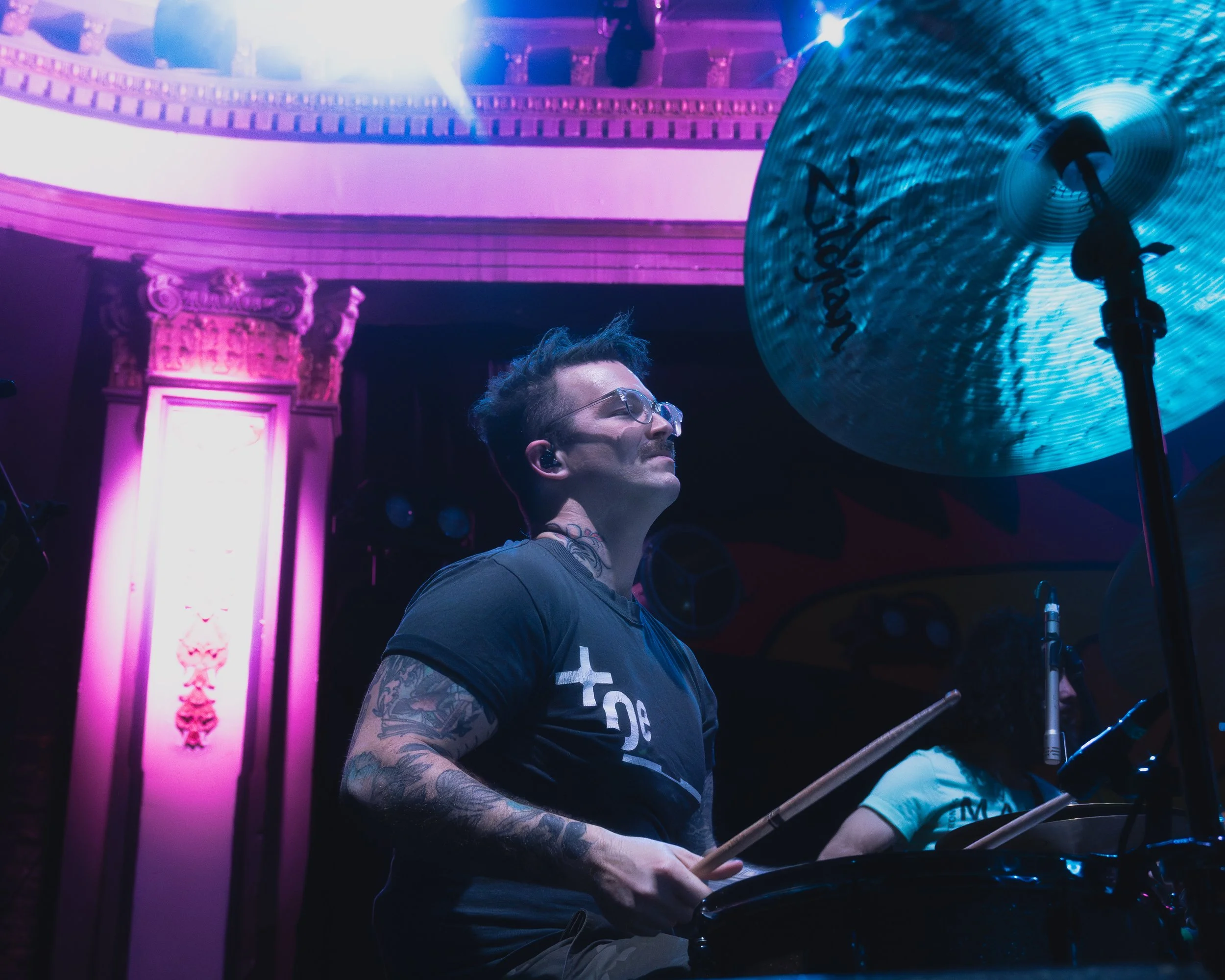
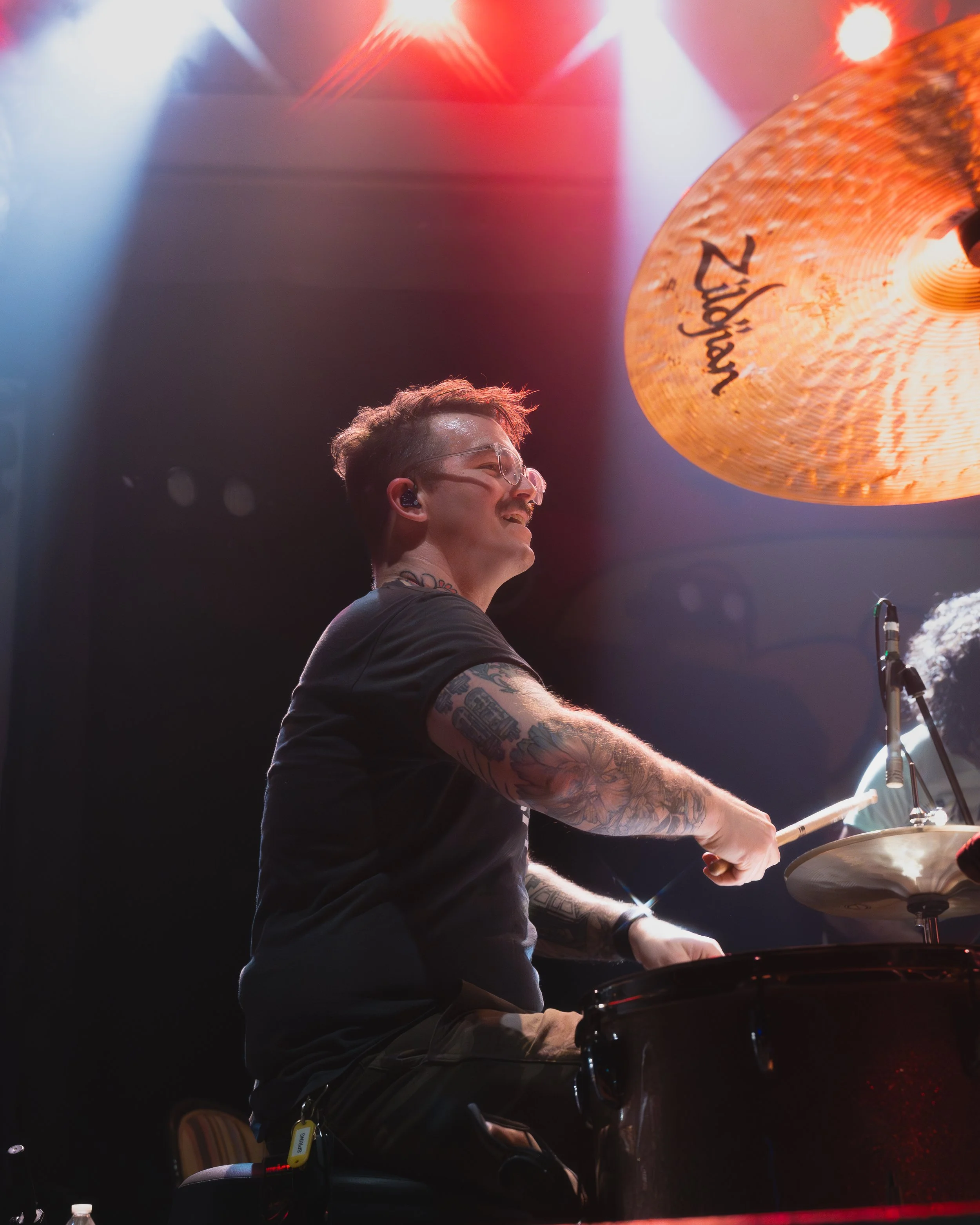
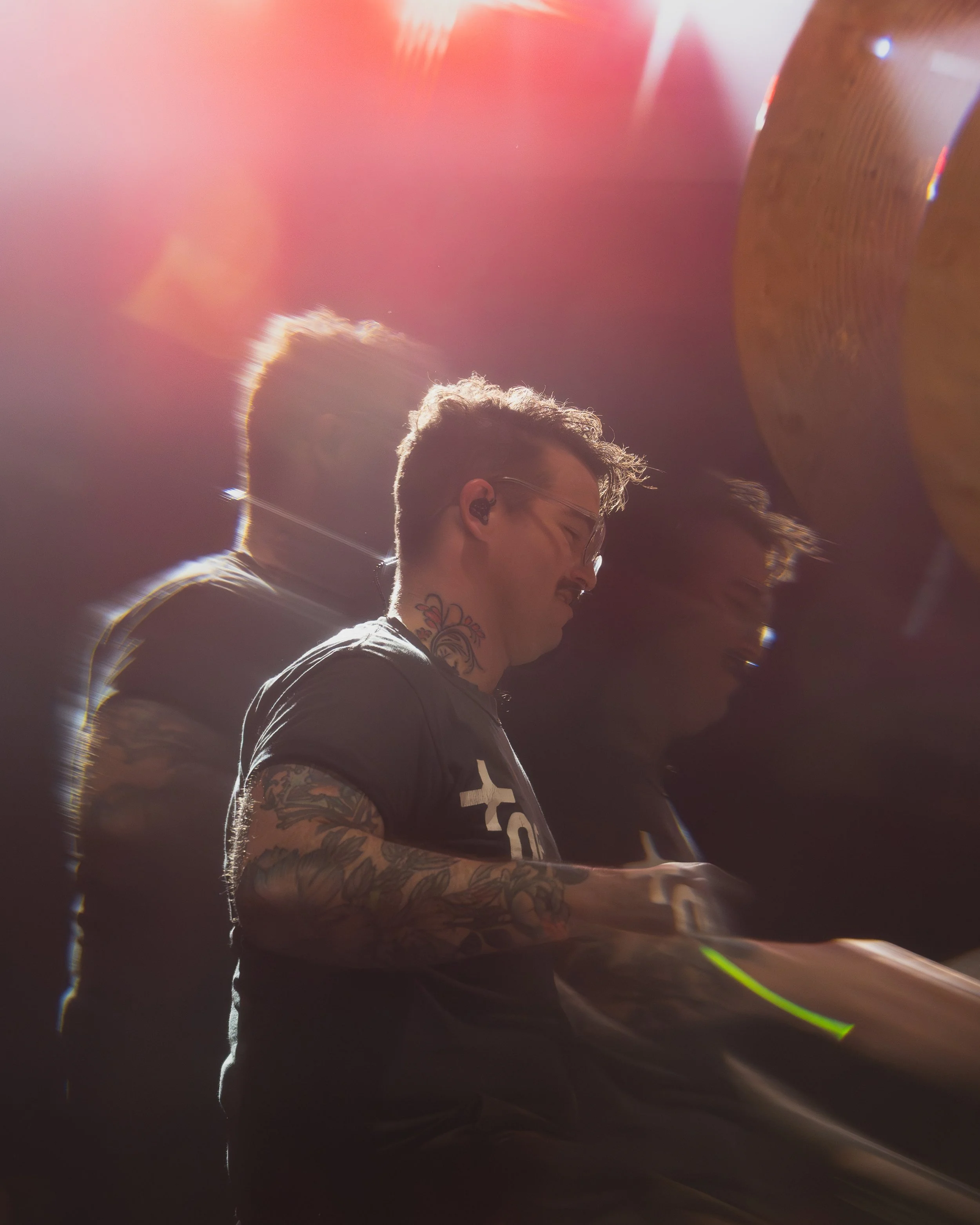
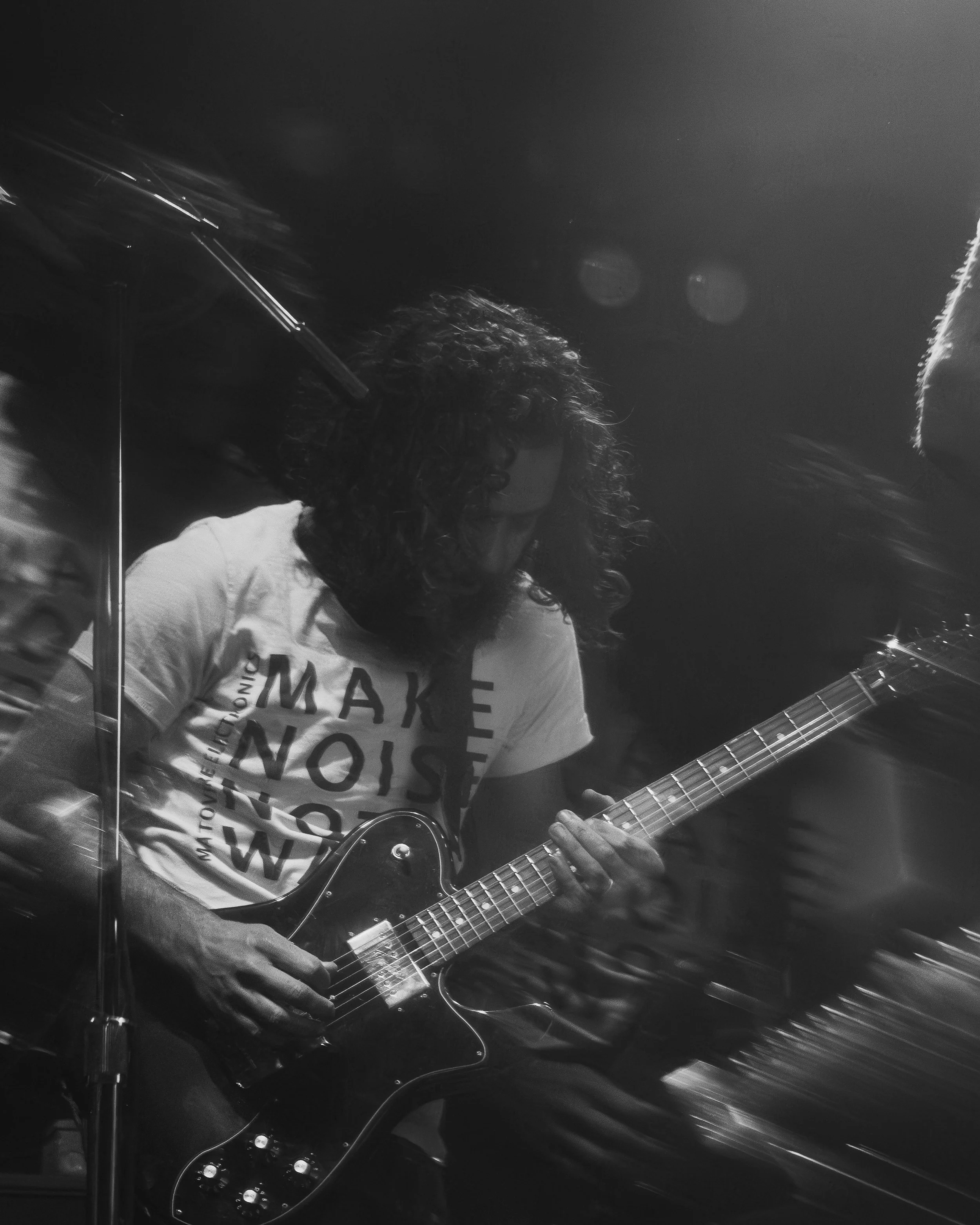
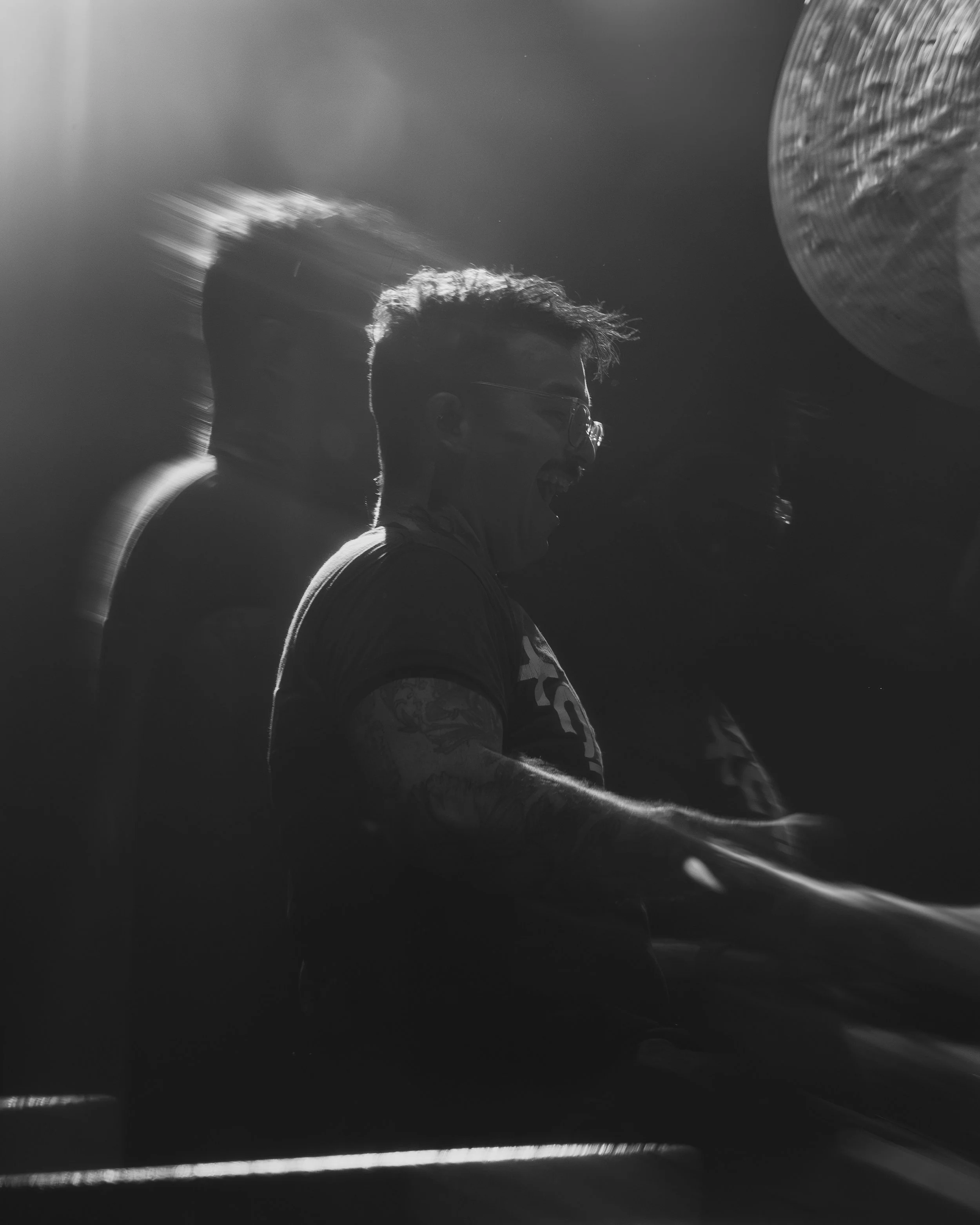
HUNNY shifted things into something brighter. Cleaner edges, a little more bounce. The kind of set that loosens people up just enough, gets heads moving, reminds you that not everything has to hurt all the time.






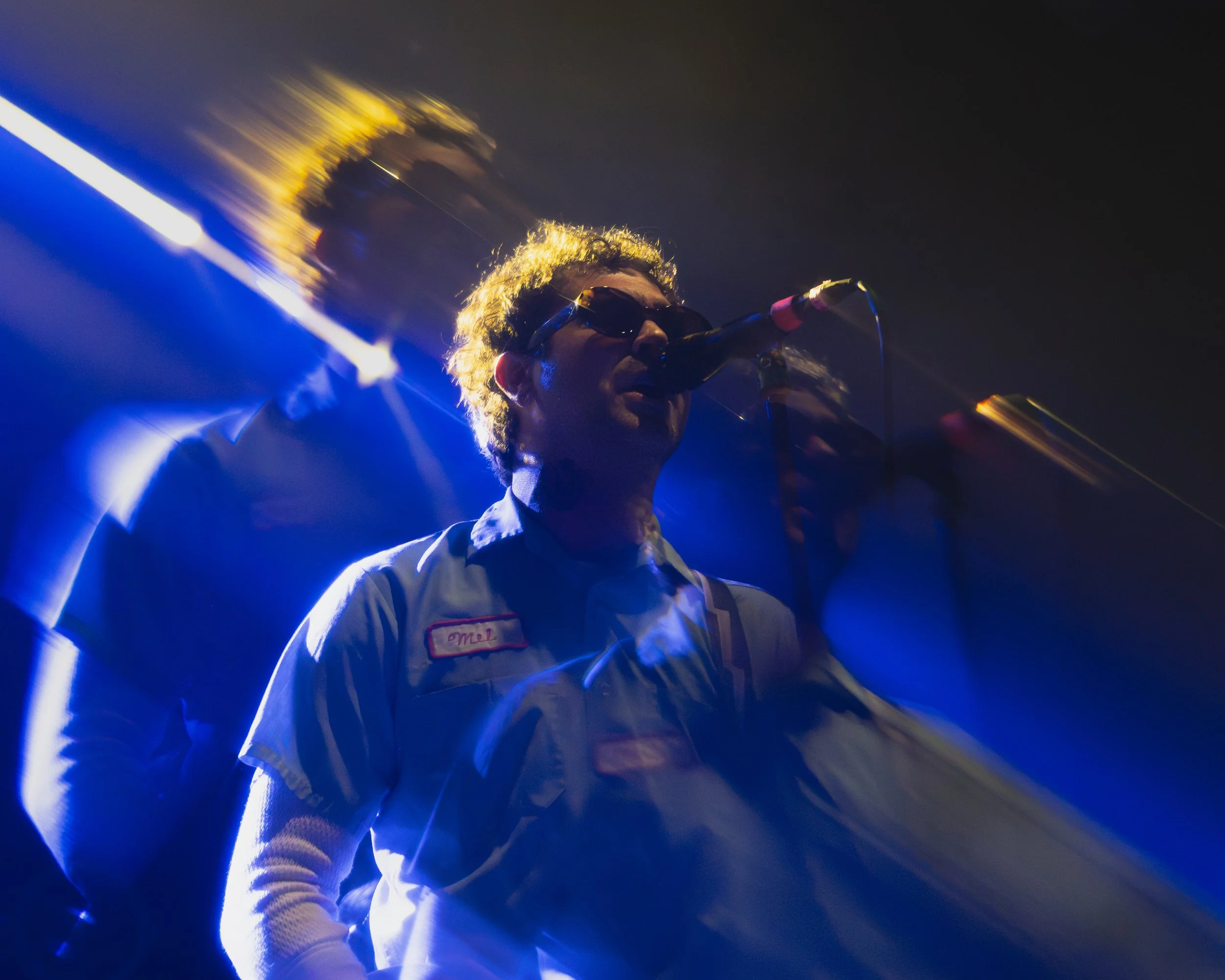




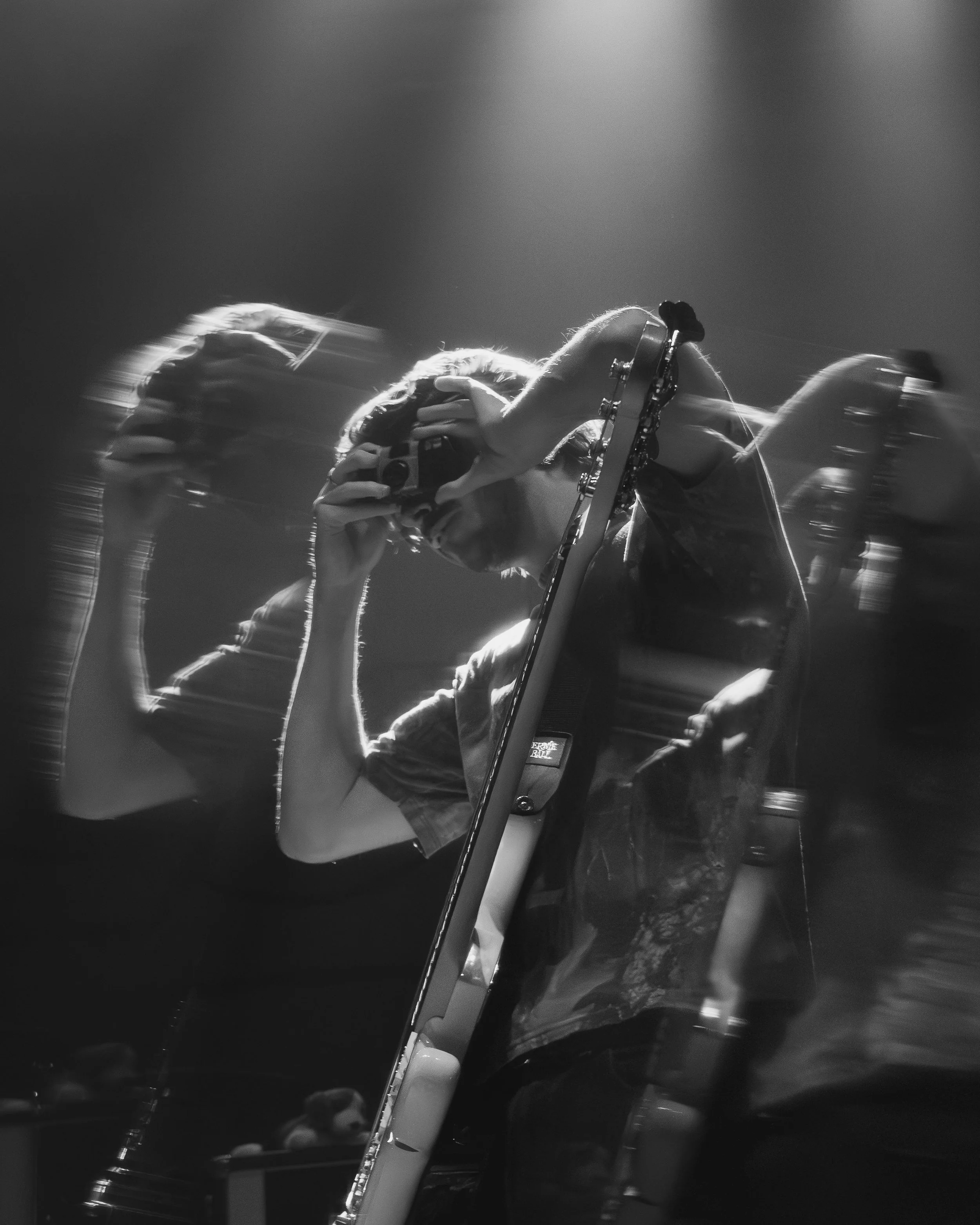

ANTHONY GREEN
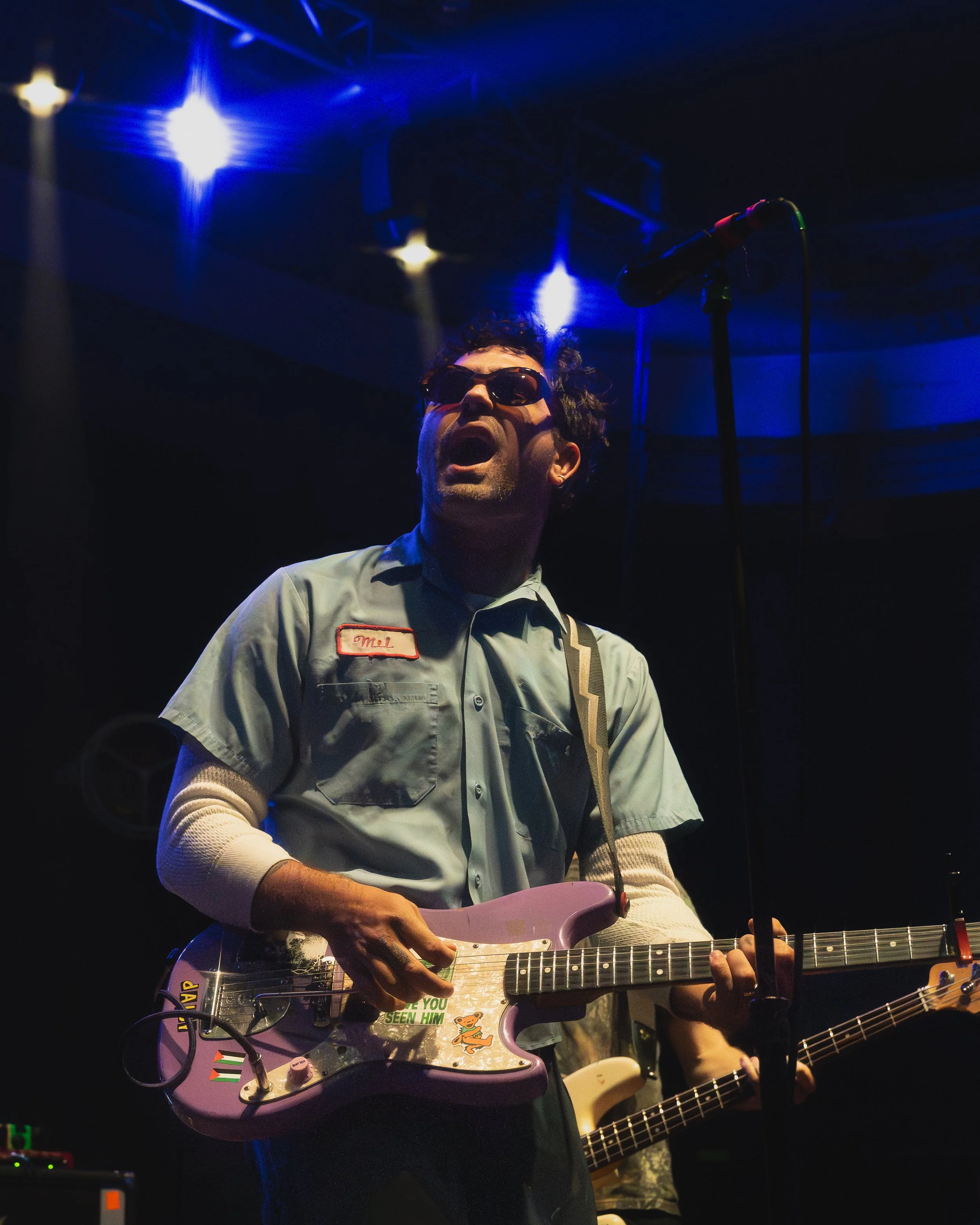
Then Anthony Green stepped in and did what he’s always done. He turned vulnerability into something loud and unignorable. His voice still walks that tightrope between fragile and explosive, like it could fall apart at any second but never does. It was the perfect bridge into what was coming next.


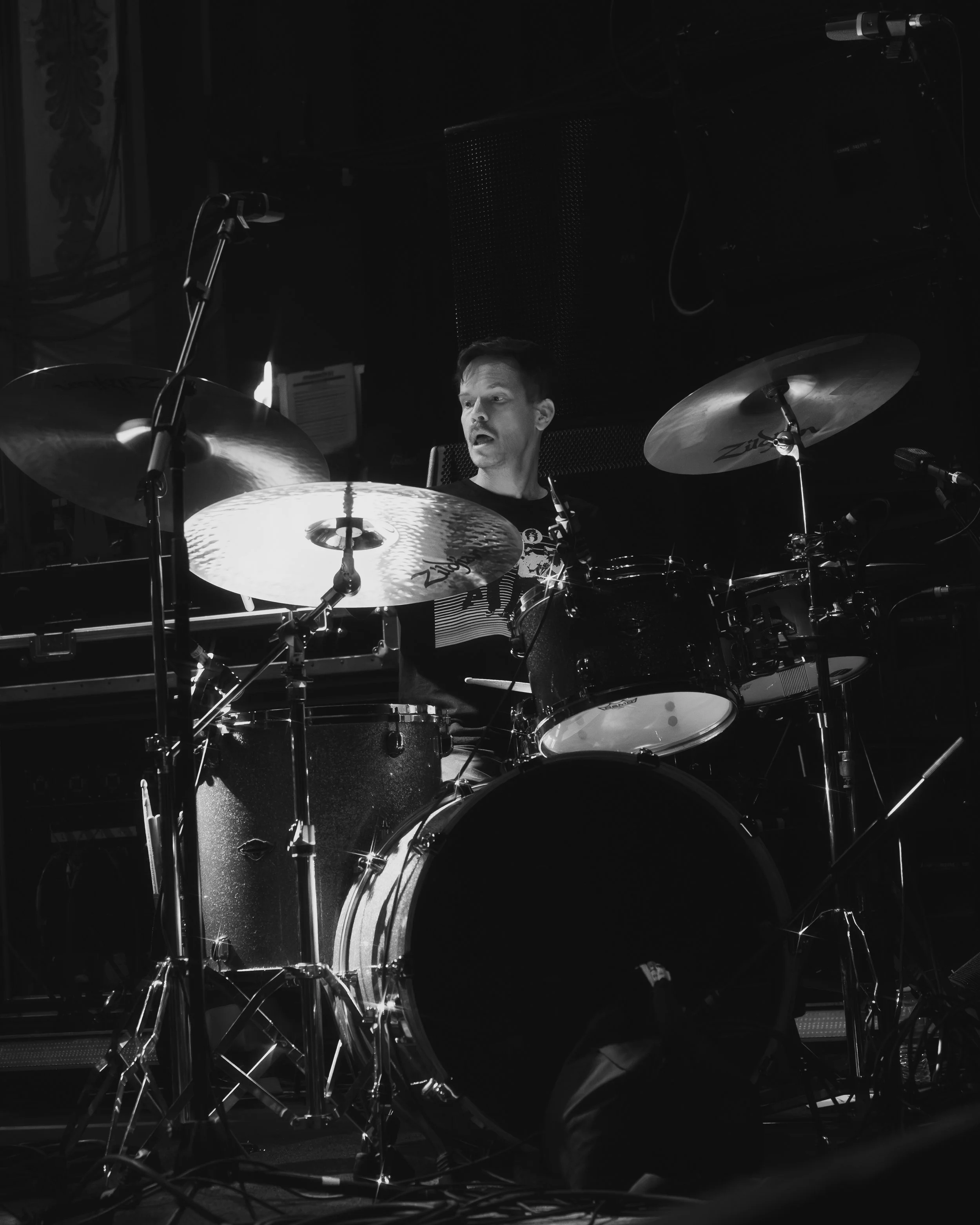
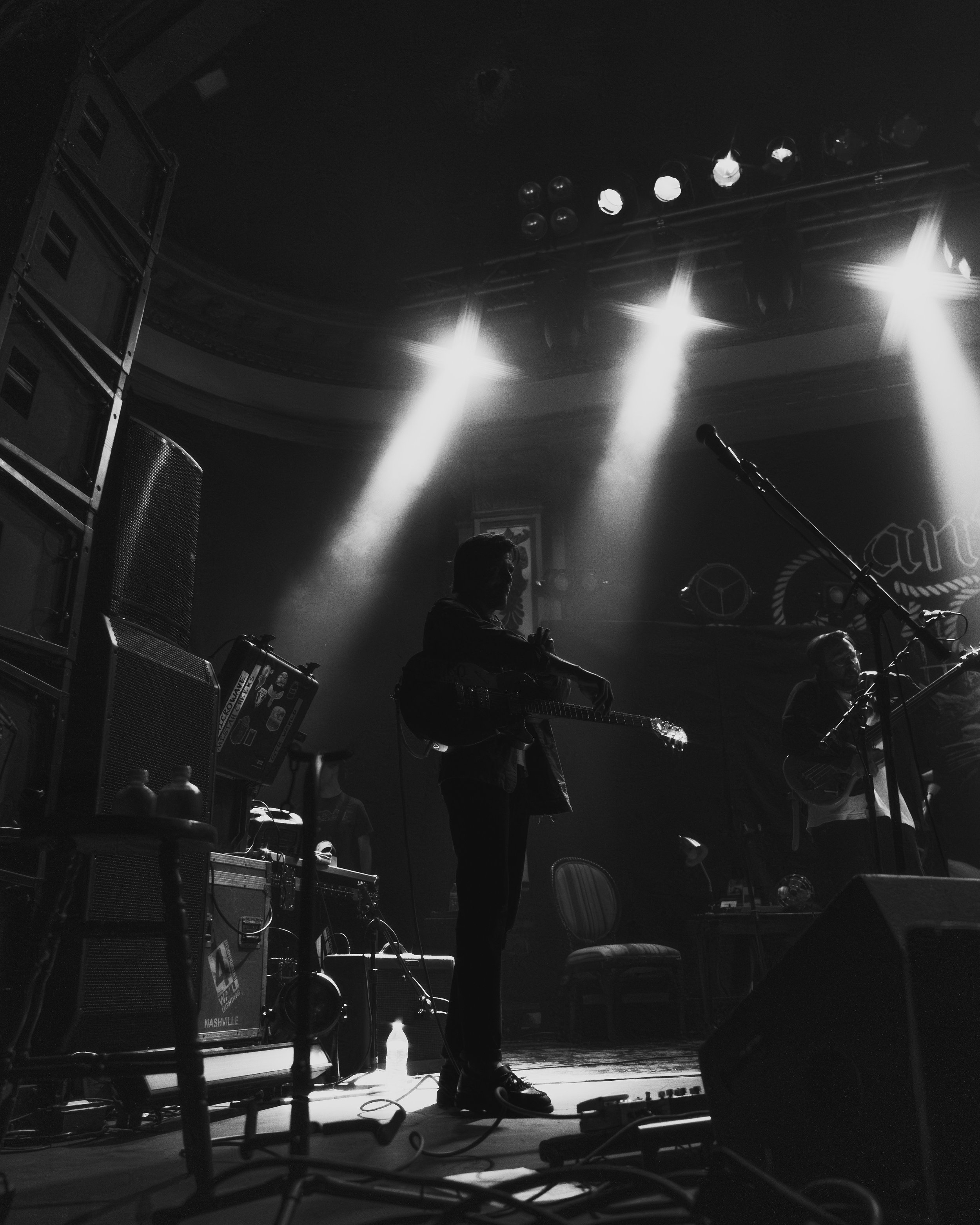


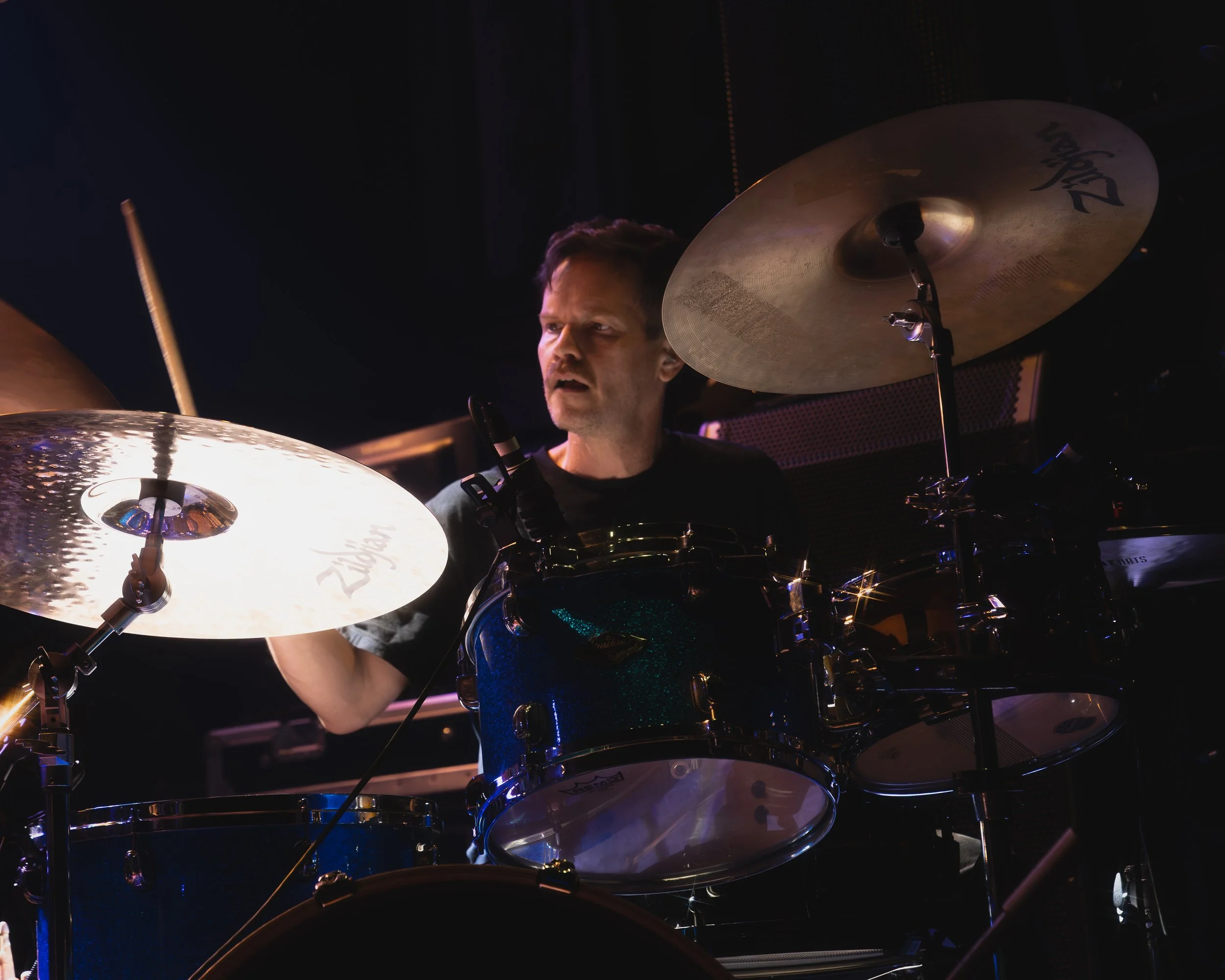





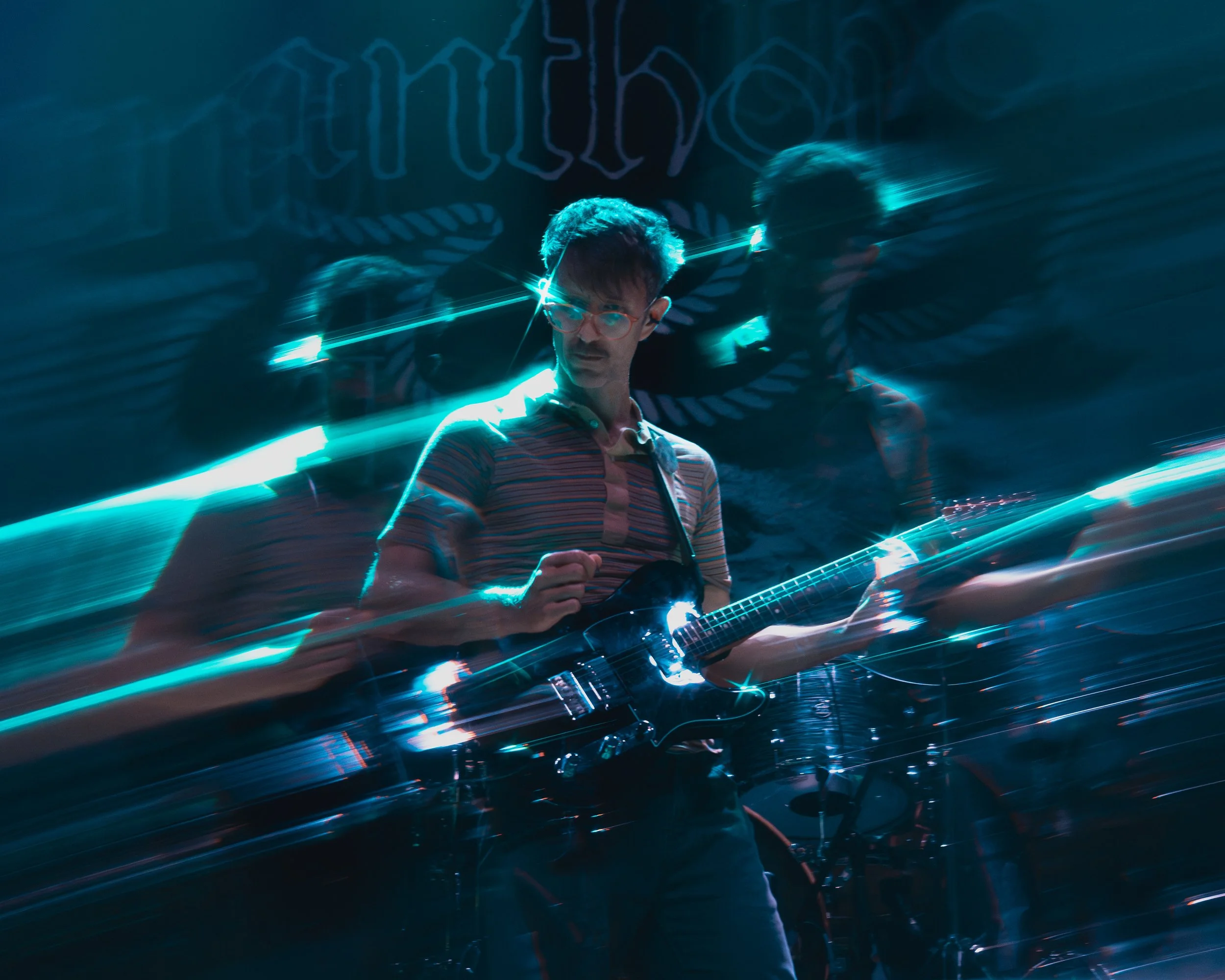
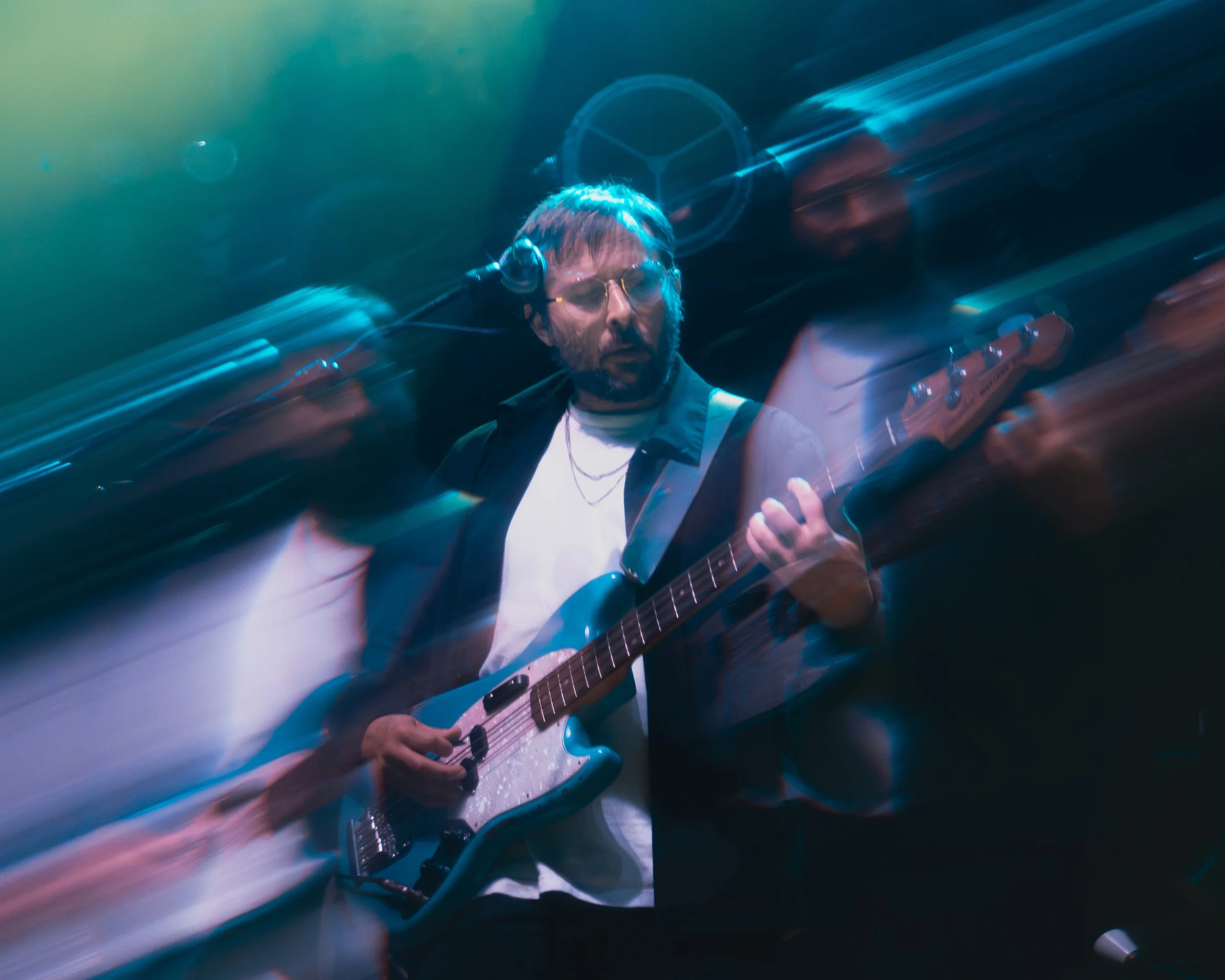



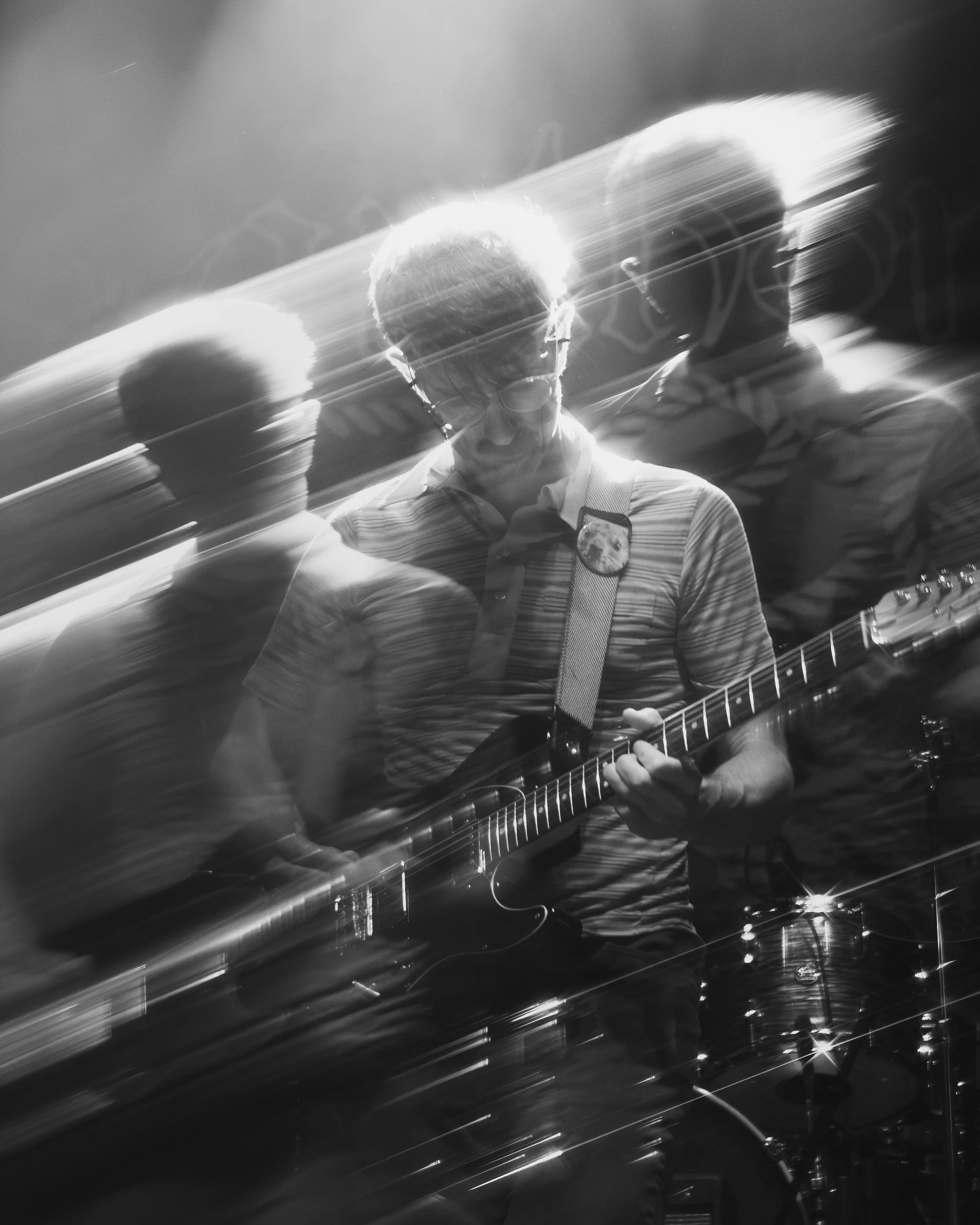
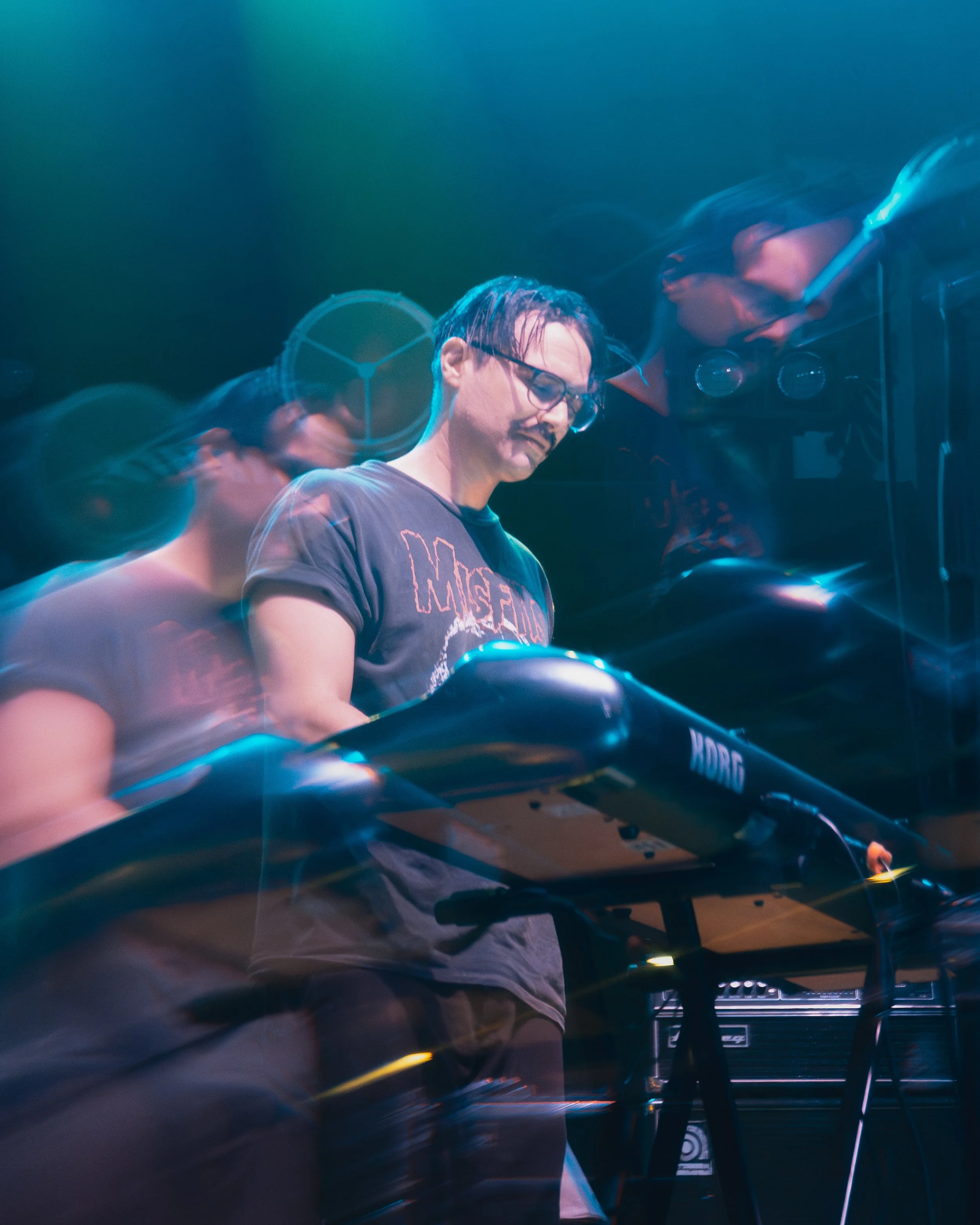
MICROWAVE
And then, Microwave.
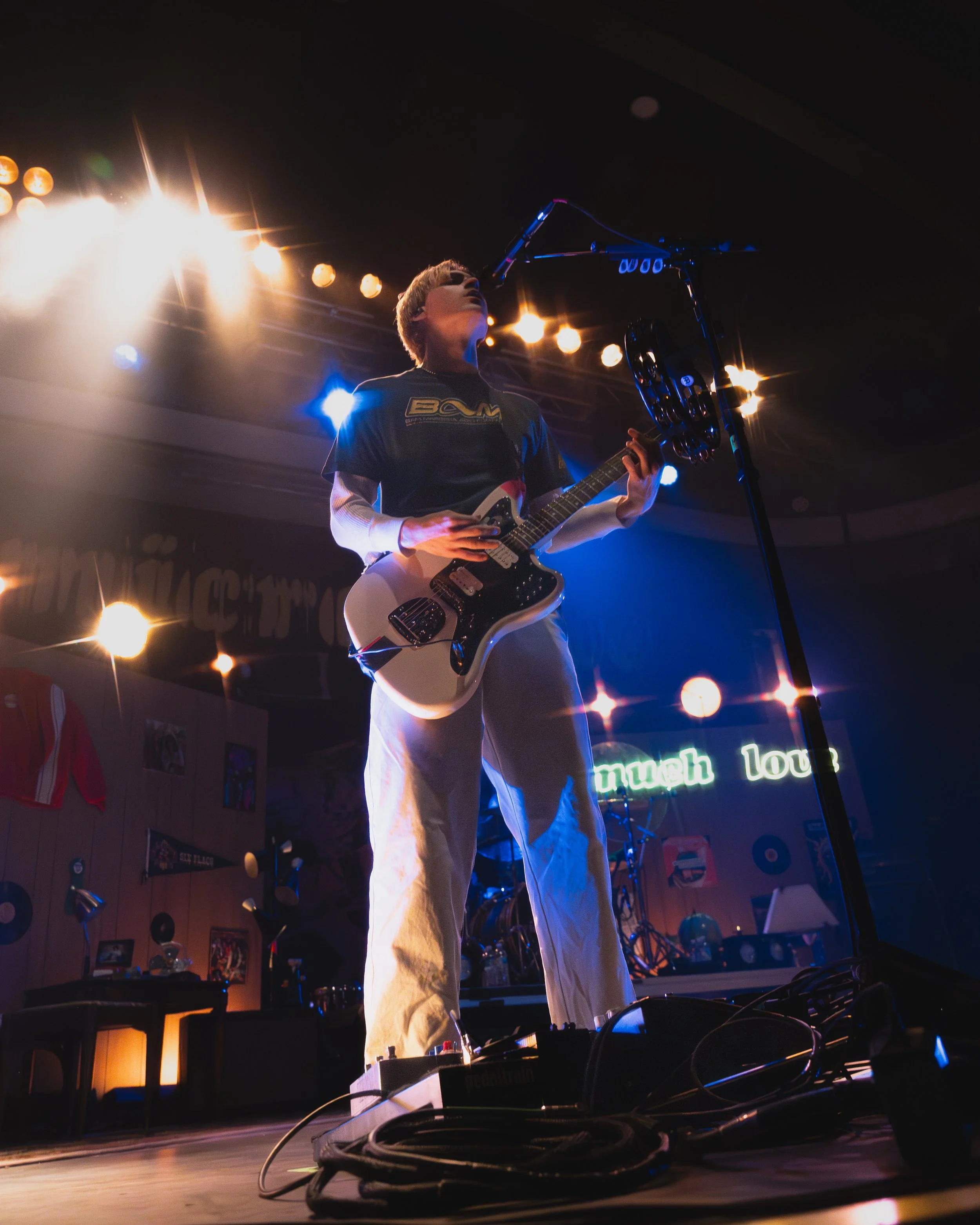
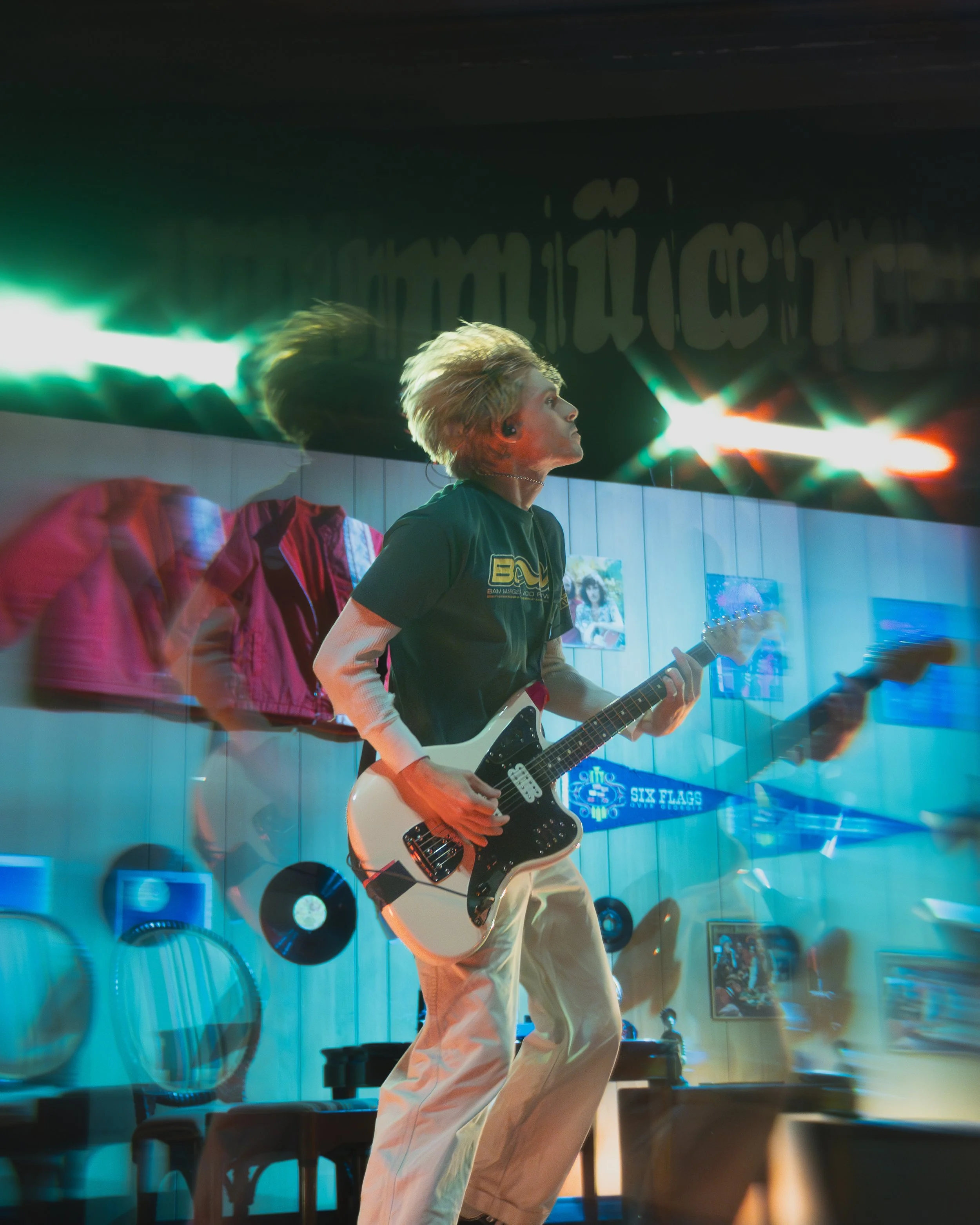
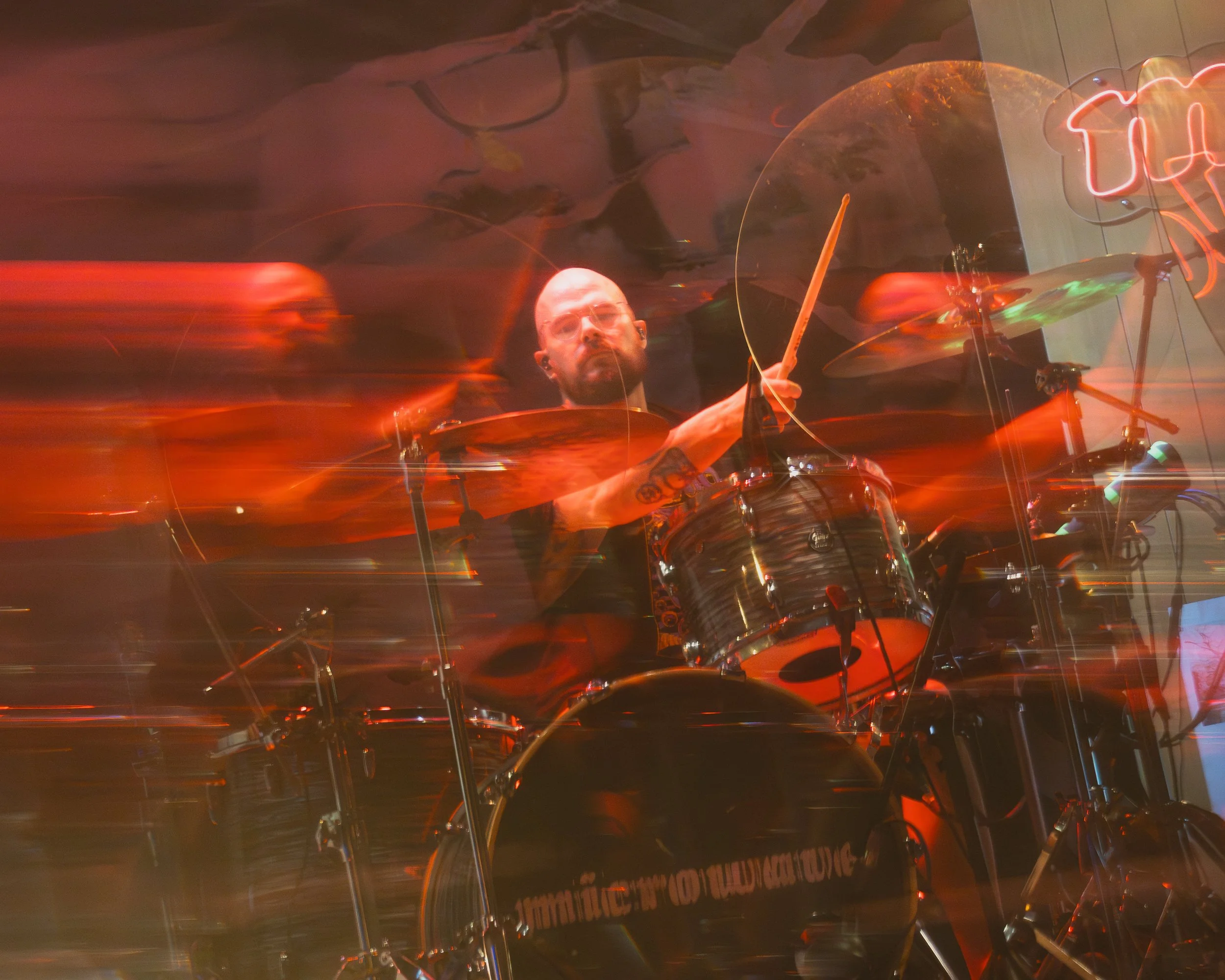
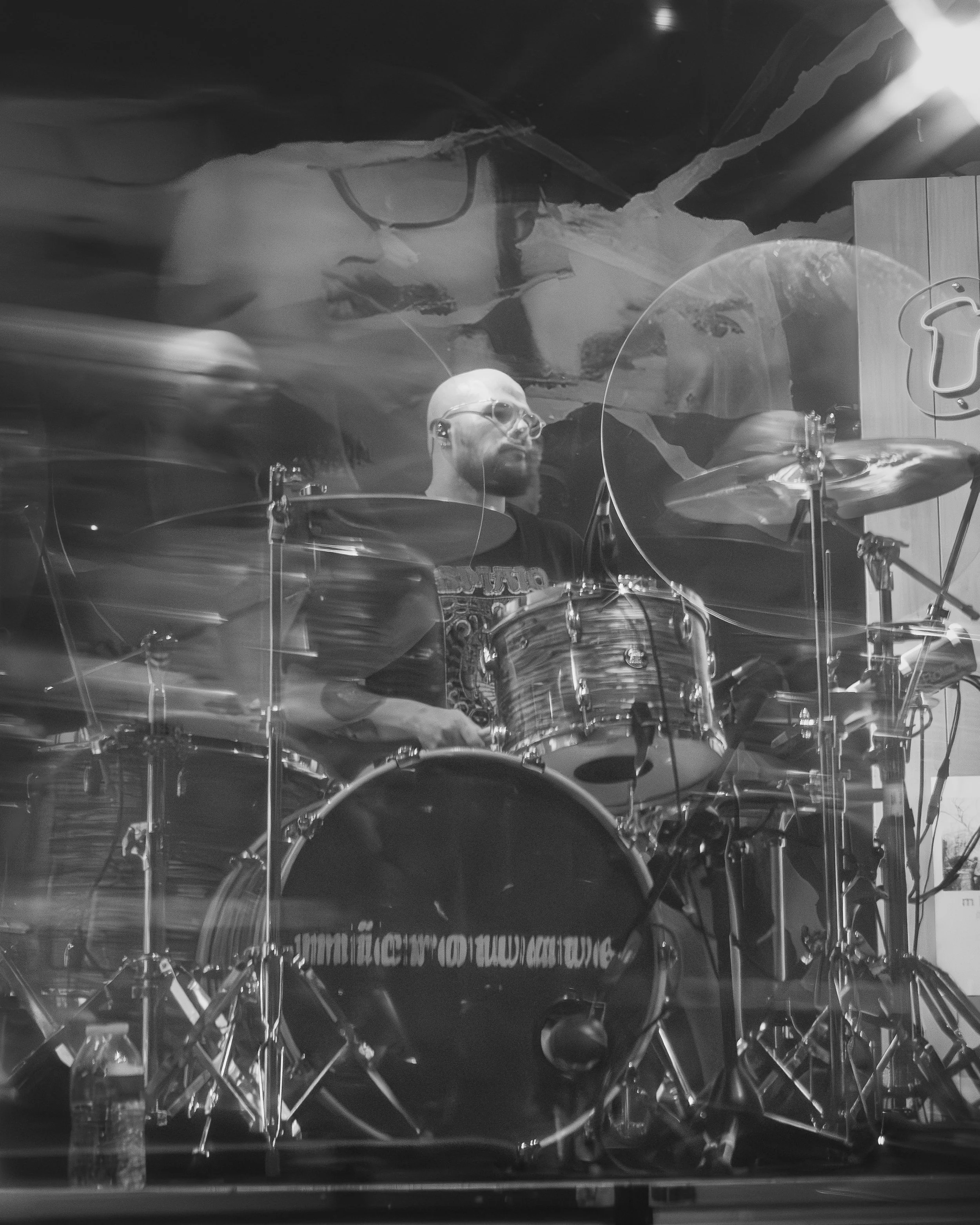
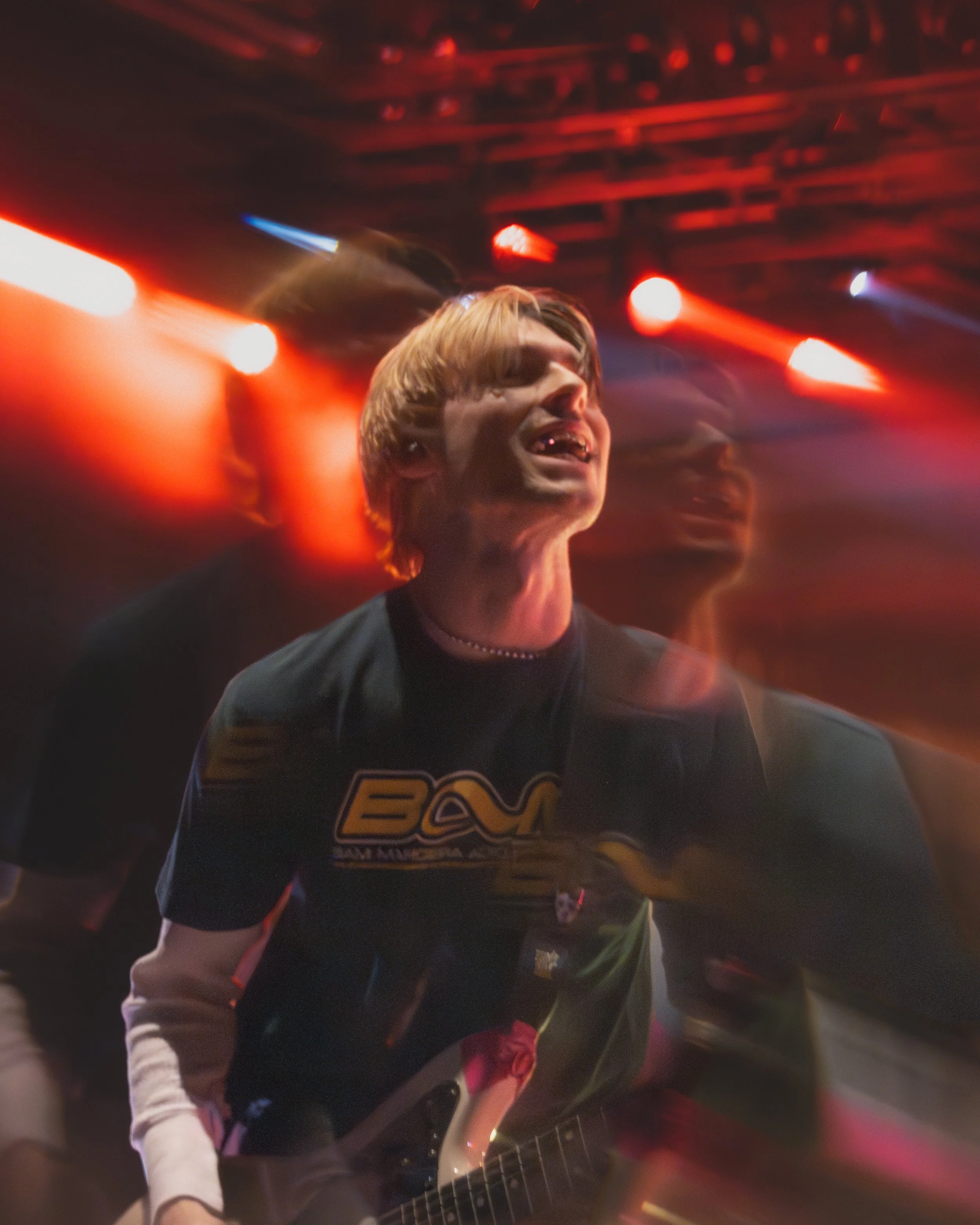
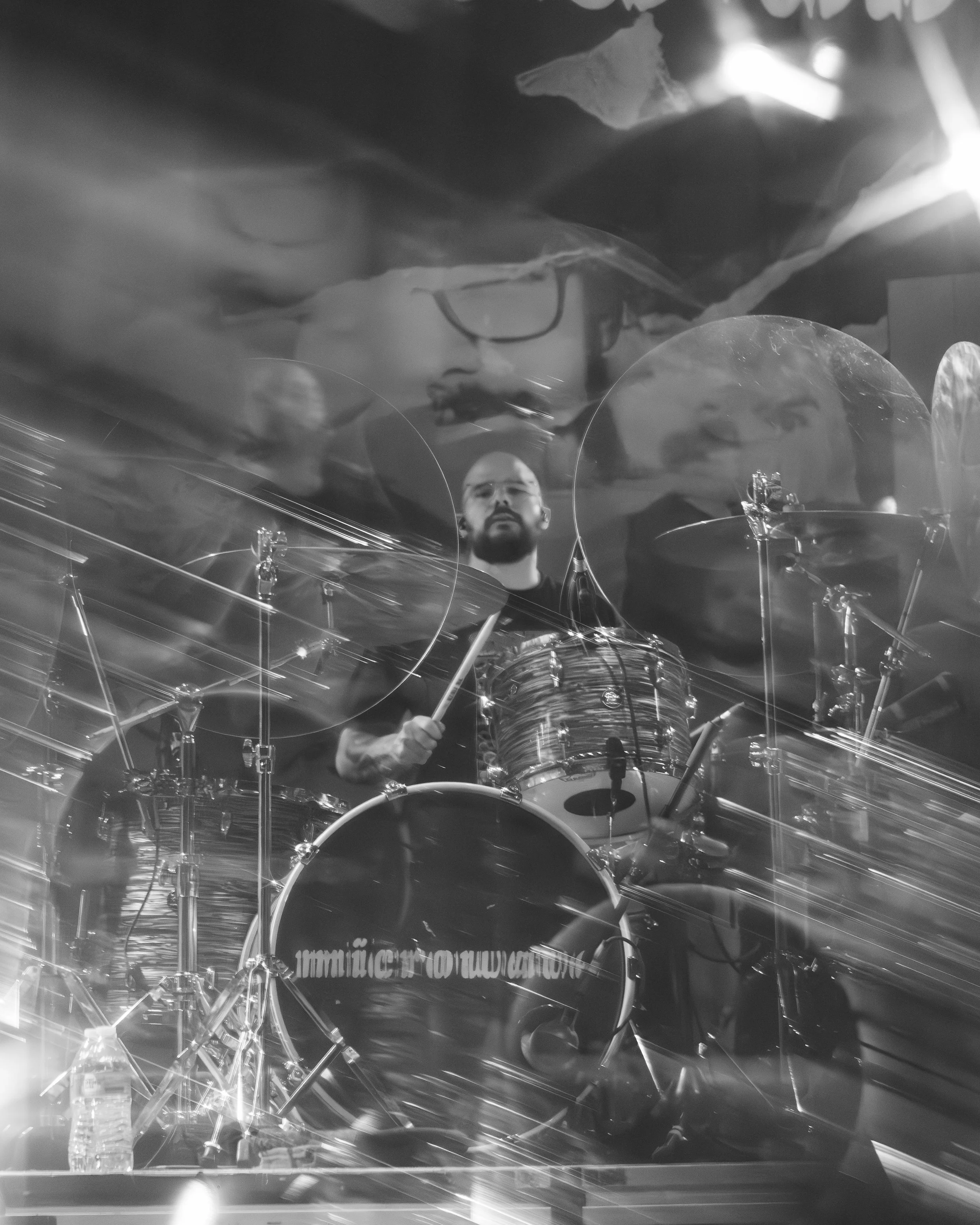
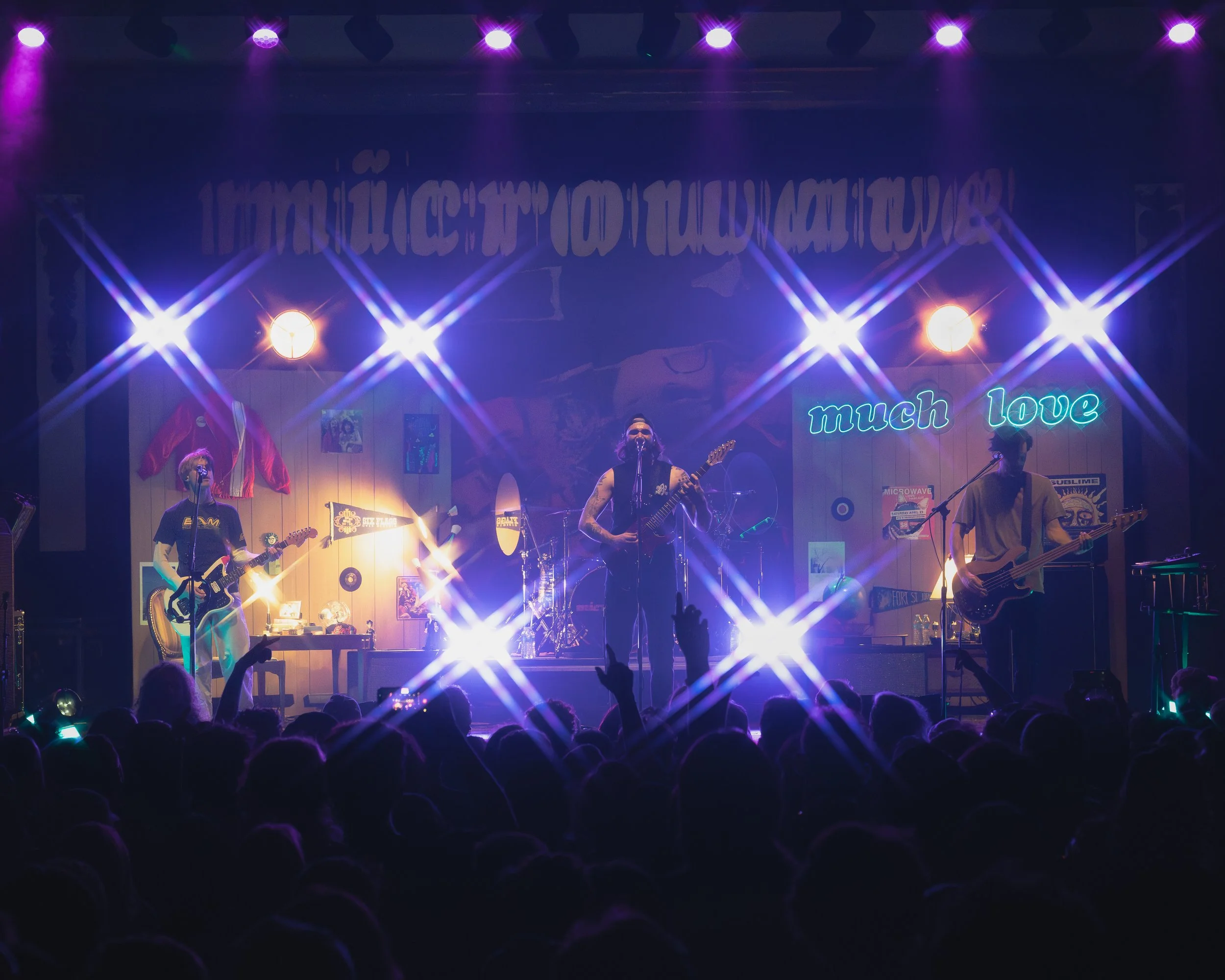
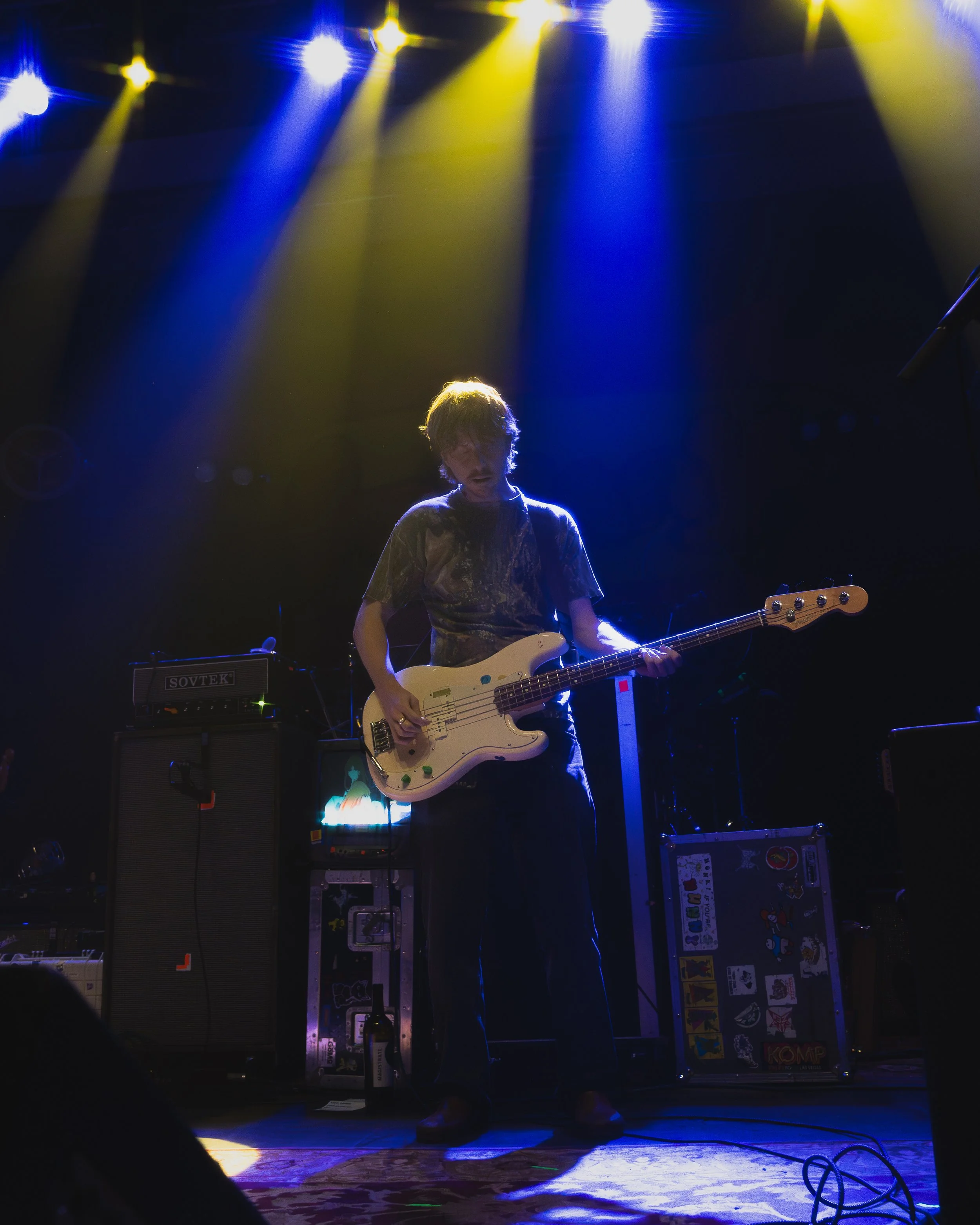
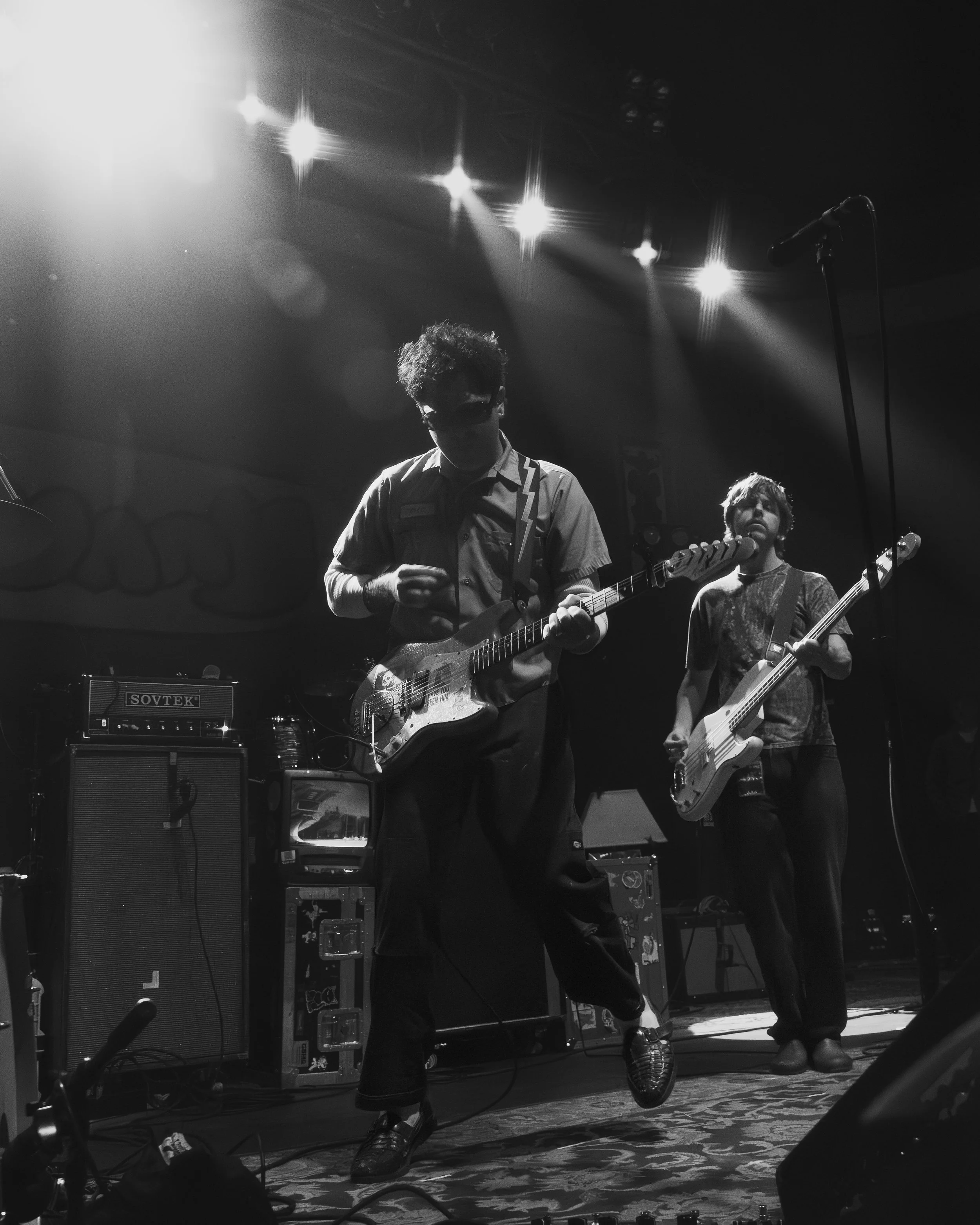
No grand entrance. No theatrics. A stage set up to look like a vintage grandparents basement - the kind that celebrates every moment of their progeny’s progeny. A shrine to legacy. All of this and a band that came to do what it has always done; rip off the scabs from the wounds on our souls, and remind us all we are the same through our shared experience.
They opened Much Love the way it was meant to be heard: front to back, like the good lord intended. No skips. No shortcuts. And almost immediately, you could feel it: this wasn’t just a setlist. It was something shared. Something remembered.
Songs like “Vomit” hit with the weight of ten years behind them. Lines that once felt personal now felt communal, shouted back by a room full of people who had clearly carried them through their own versions of whatever comes after things fall apart.
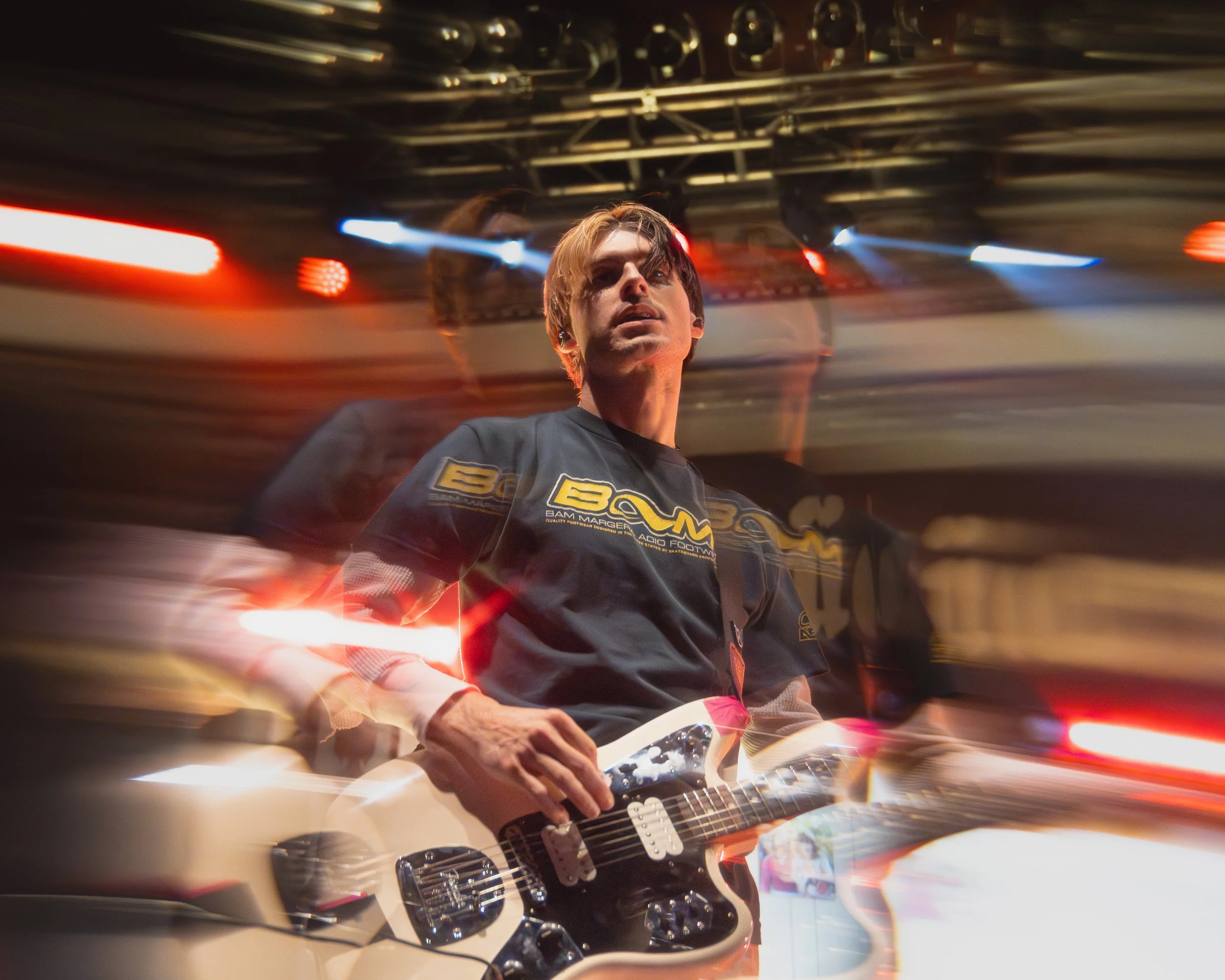
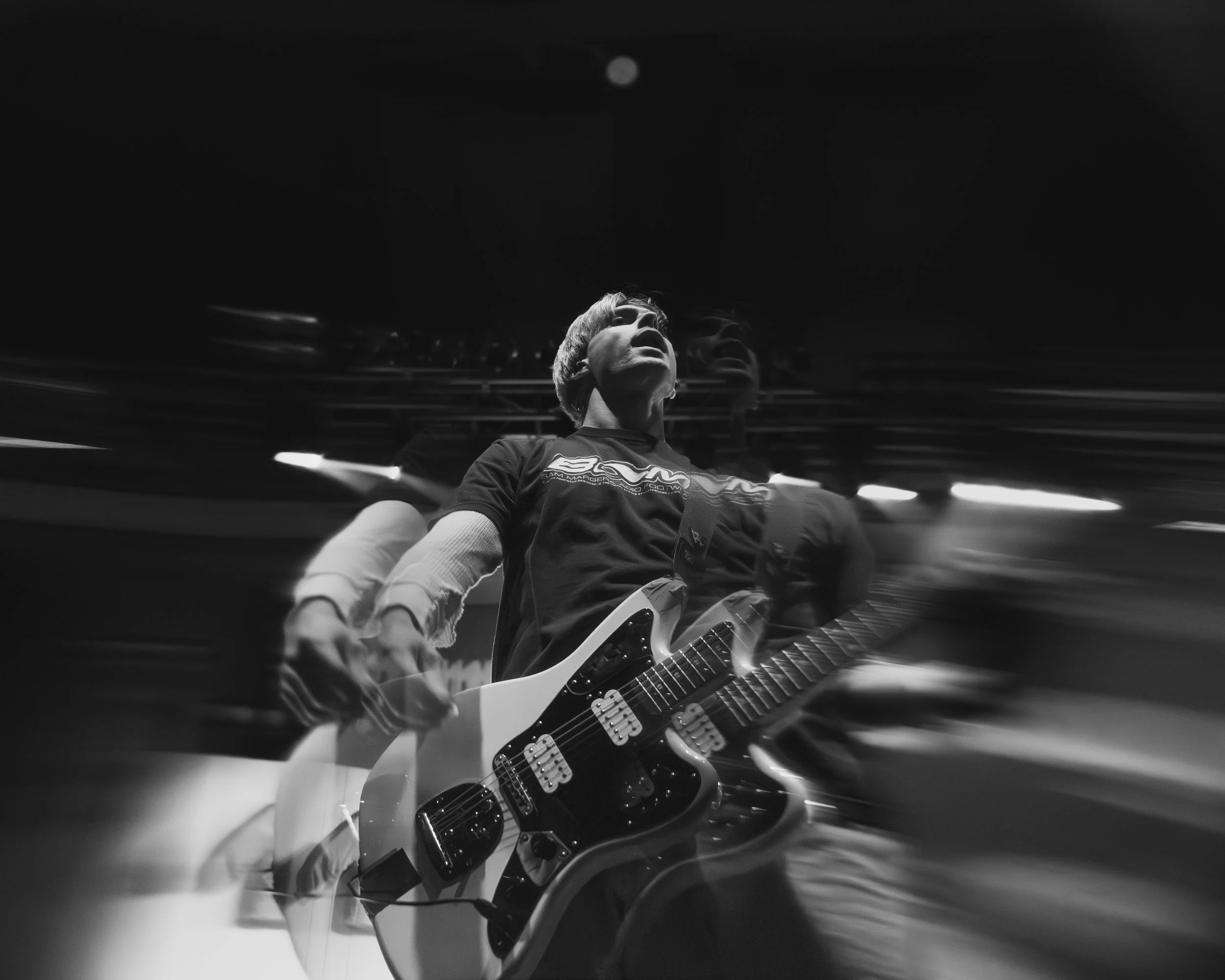
There’s a restraint in the way Microwave performs. Nothing is wasted, nothing exaggerated. And that’s what makes it work. The emotion isn’t manufactured. It’s just there, sitting under the surface, ready to come through when it needs to.
That’s the thing about Much Love. It’s messy in a way that feels honest. Not polished, not cleaned up for presentation. And live, that honesty gets sharper. The quiet moments feel quieter. The heavier ones land harder.
The band moved through the record with a kind of quiet confidence like they understood what it meant to the people in the room, but weren’t interested in overselling it. They let the songs do the work.
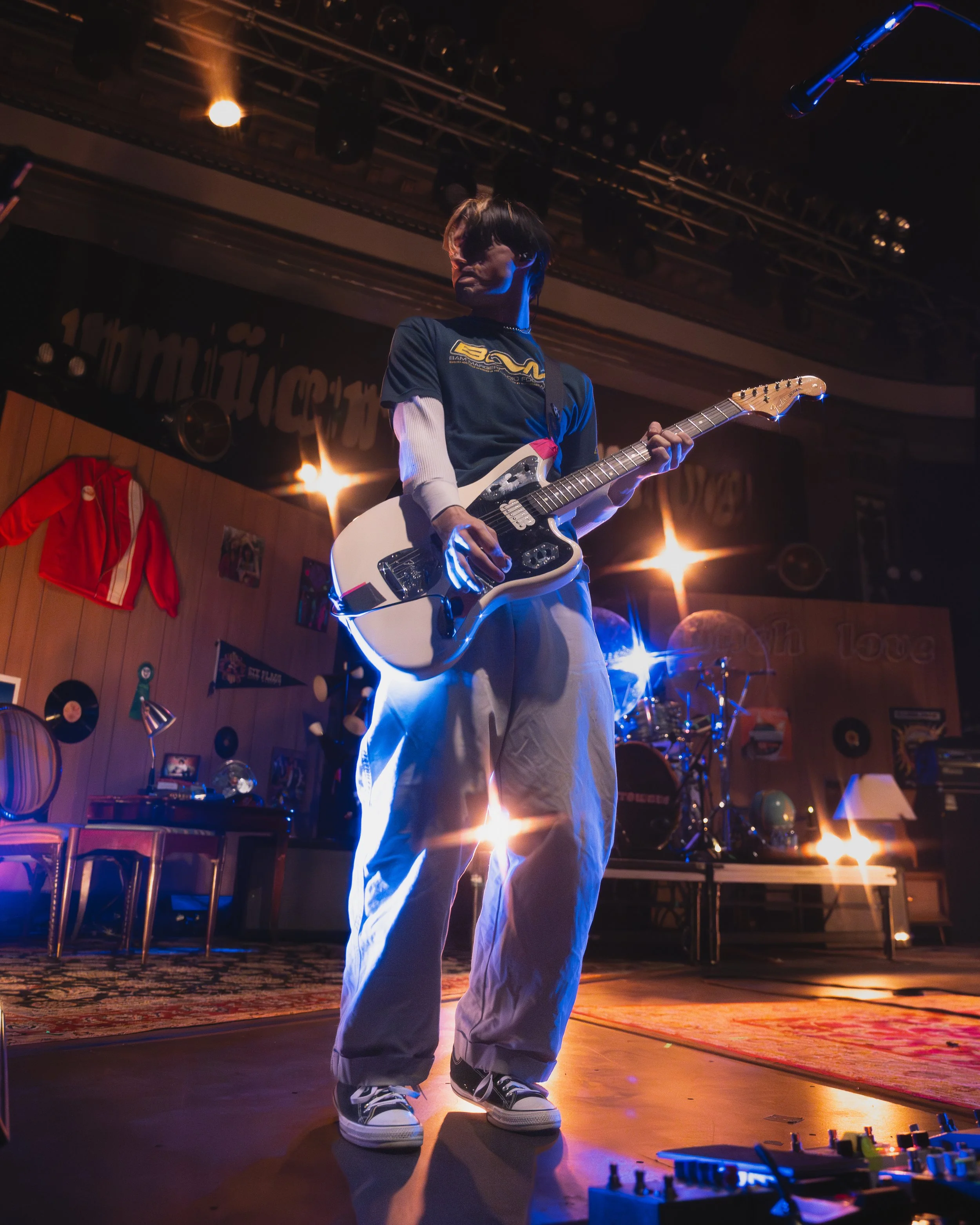
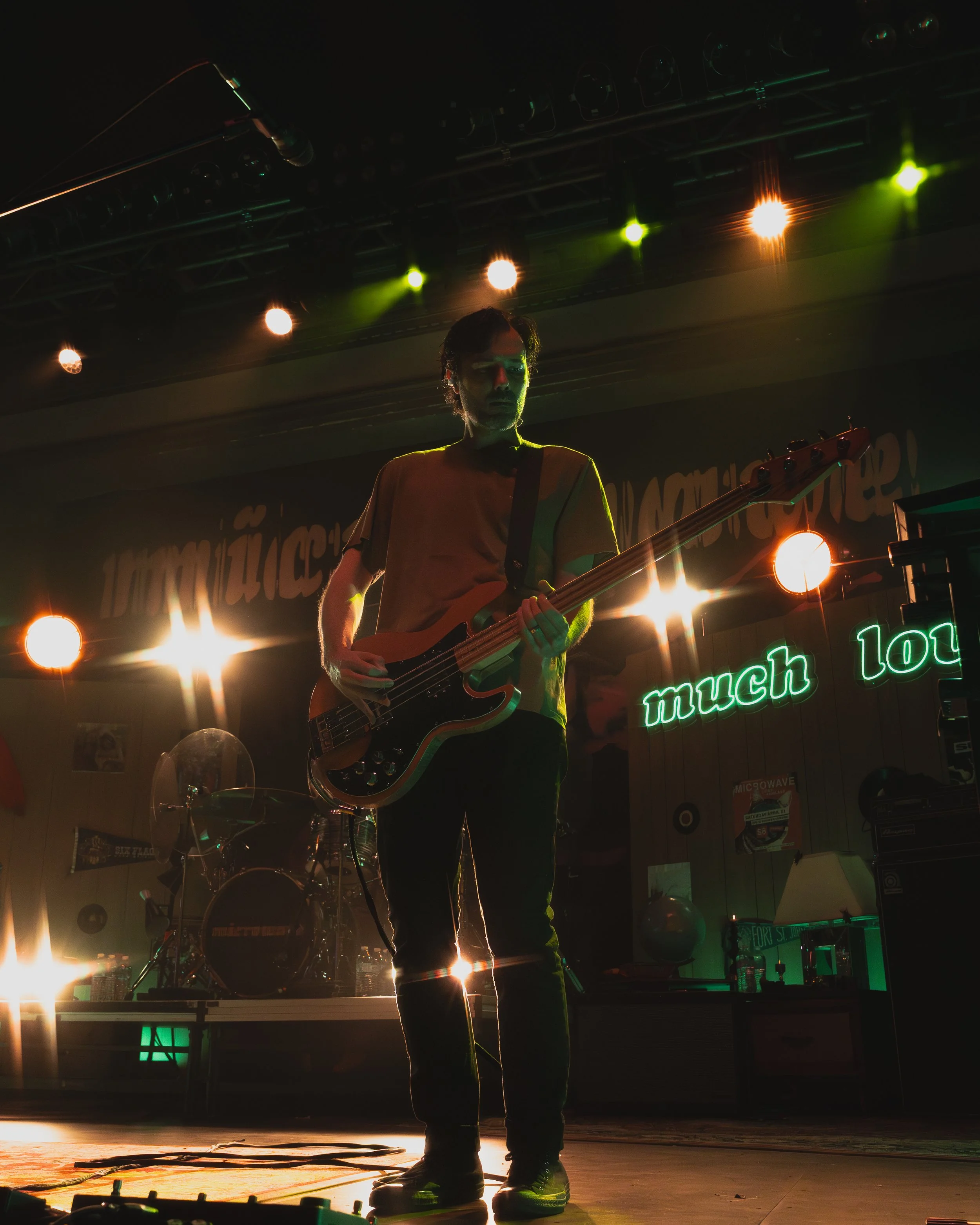

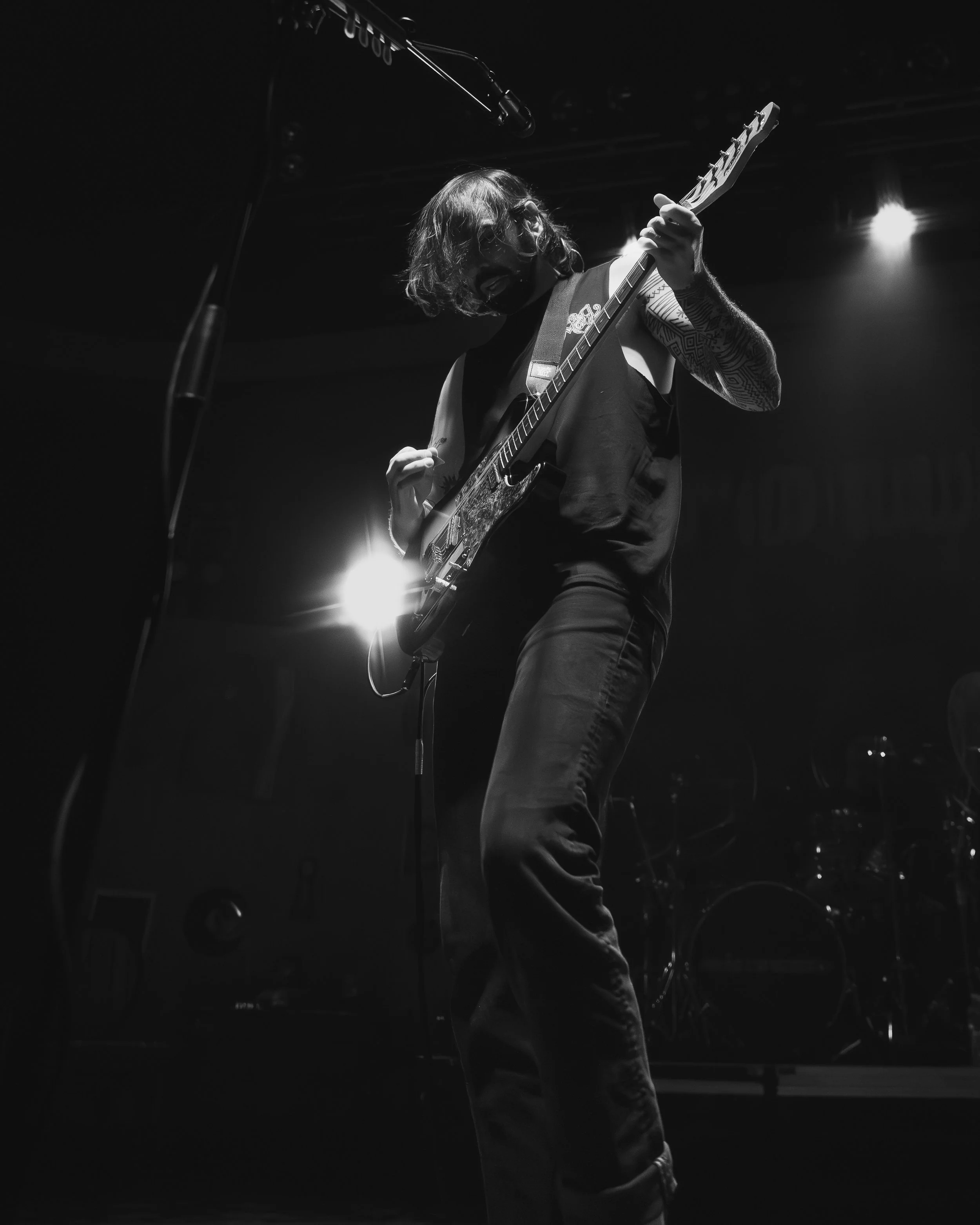
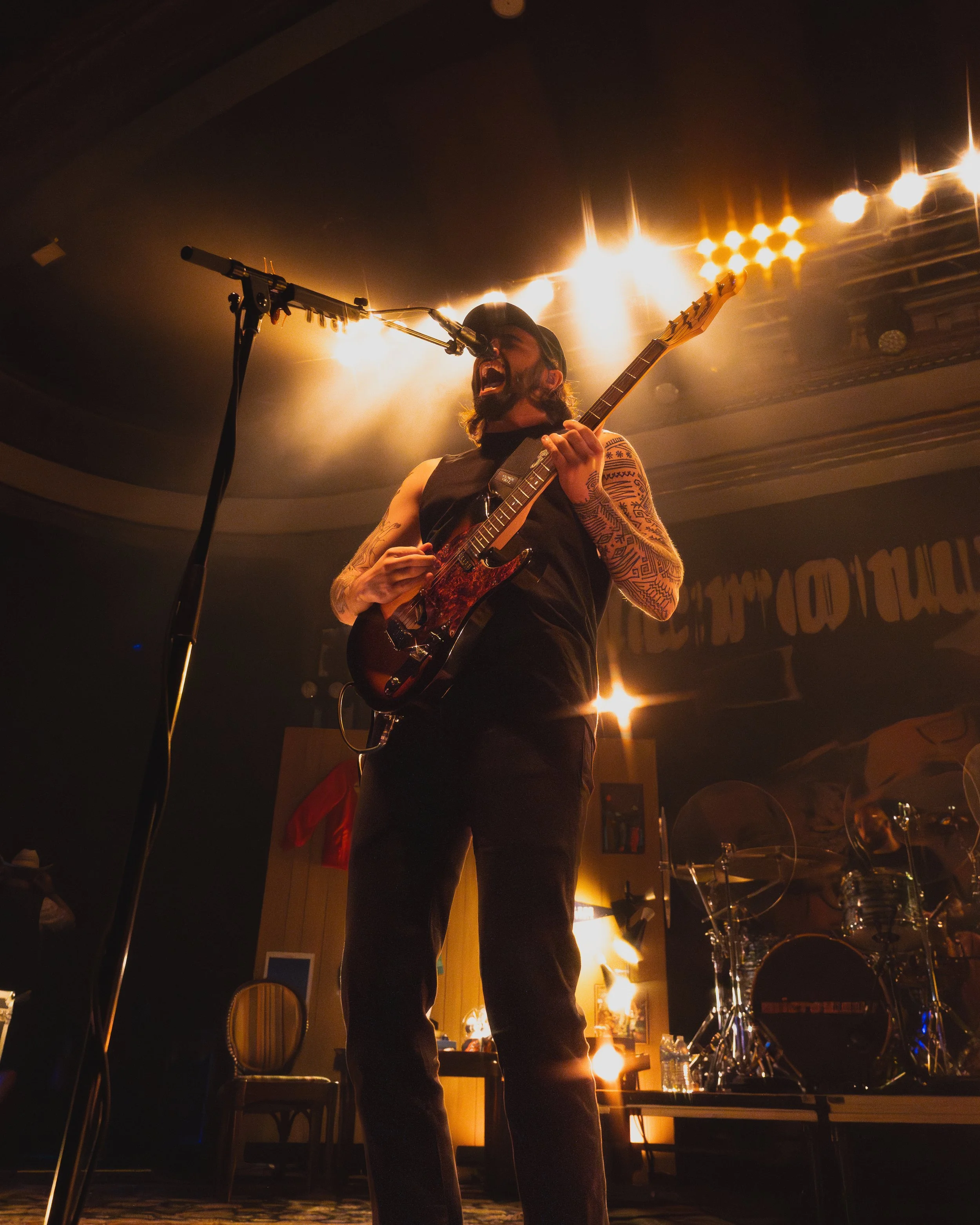

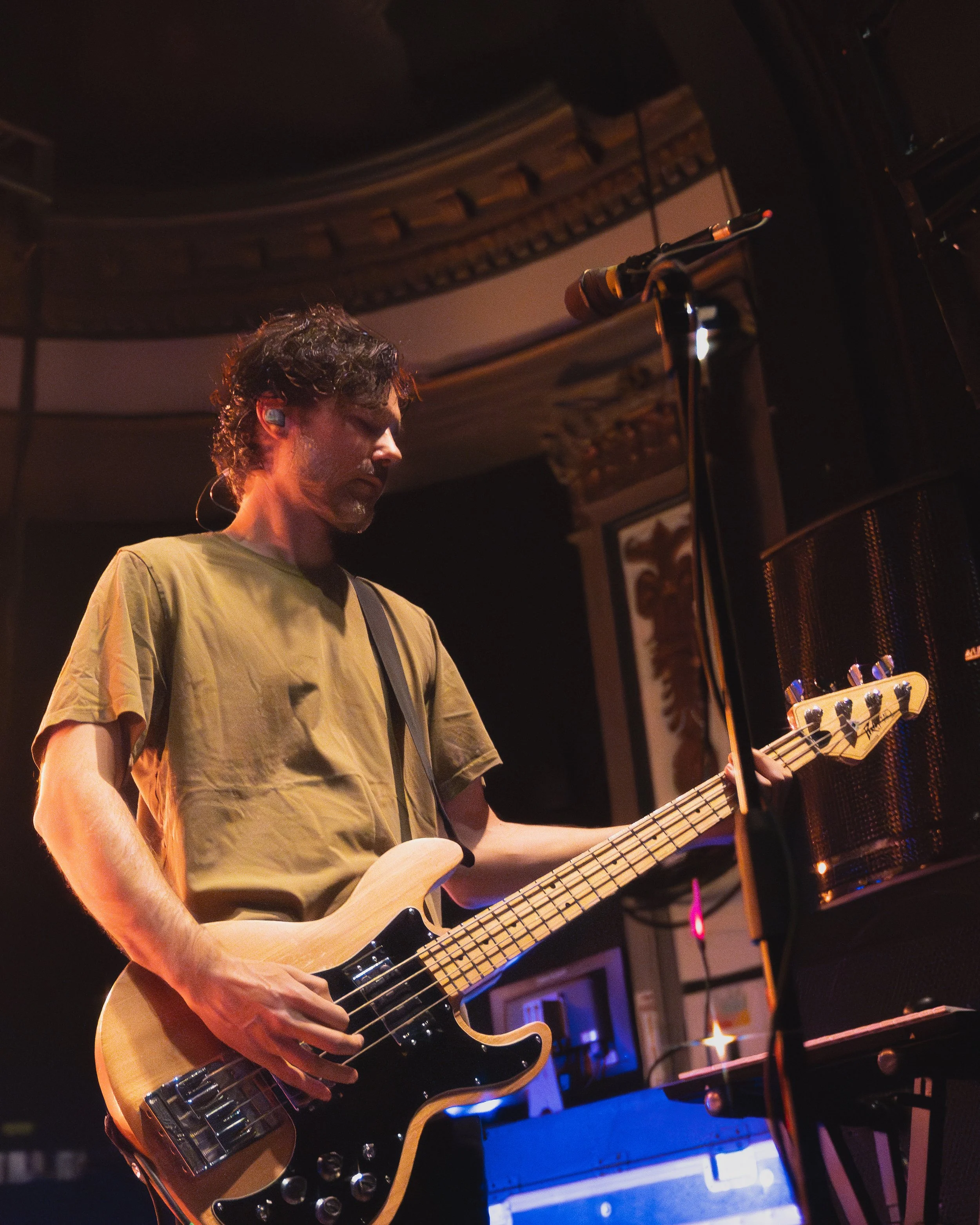
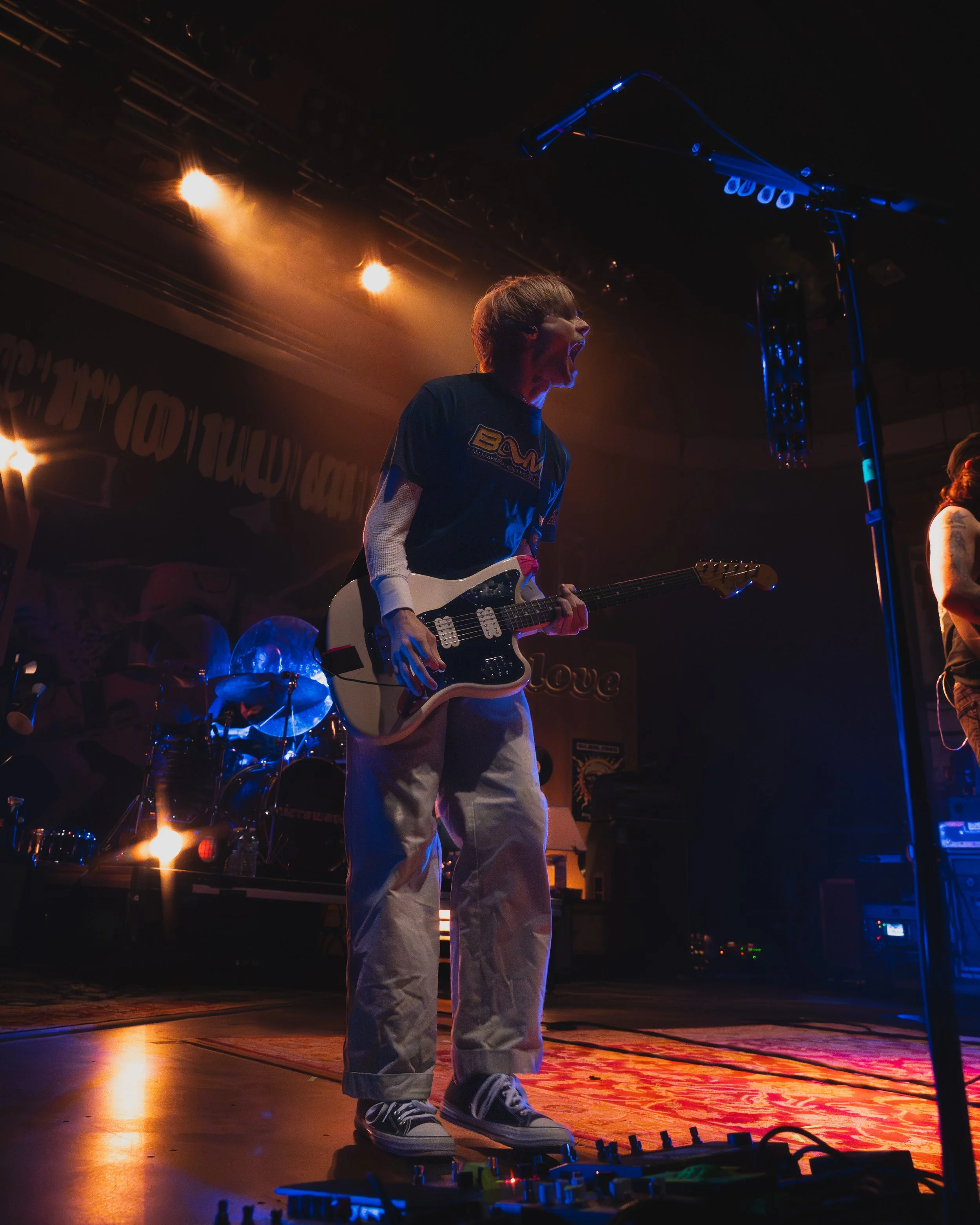
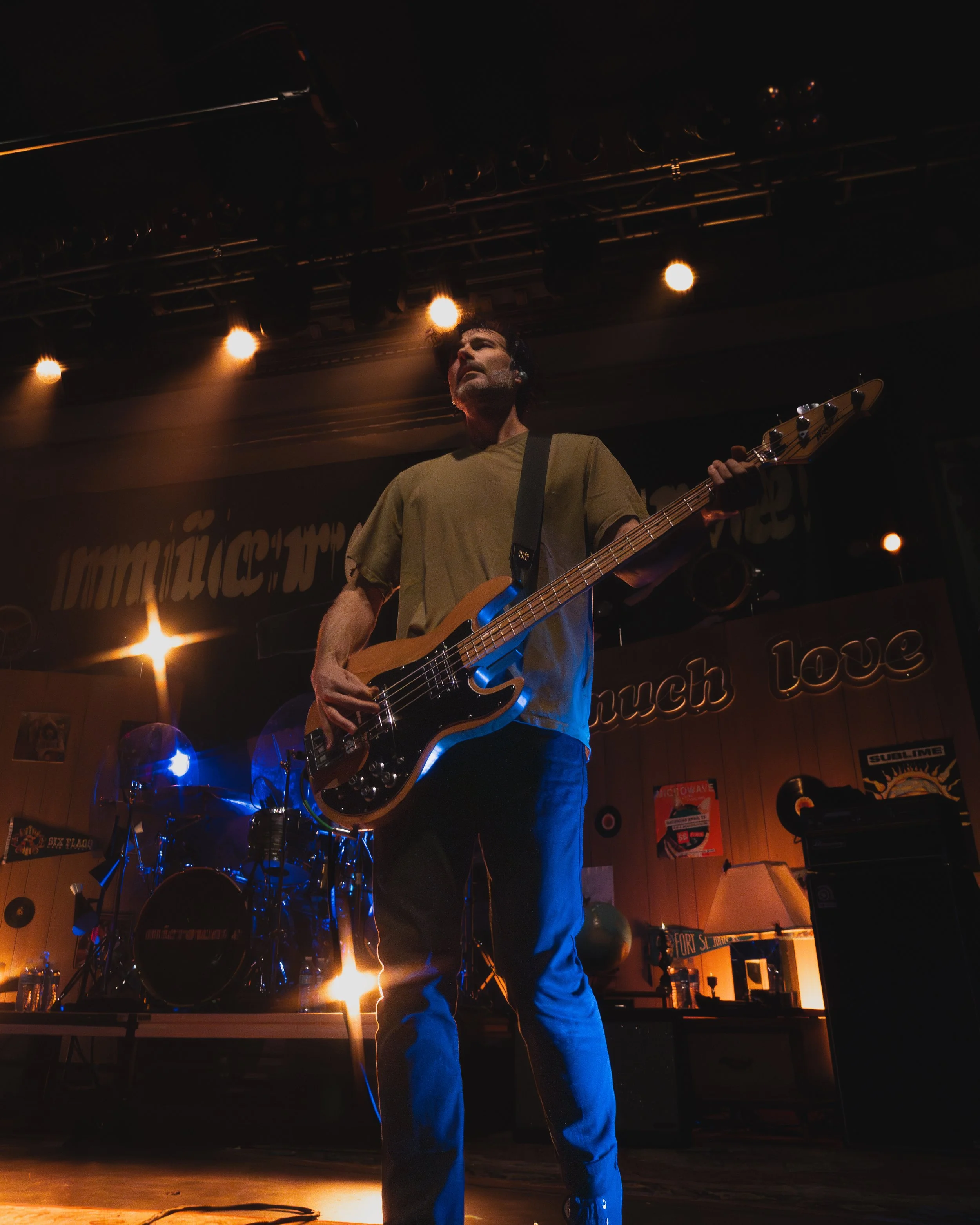

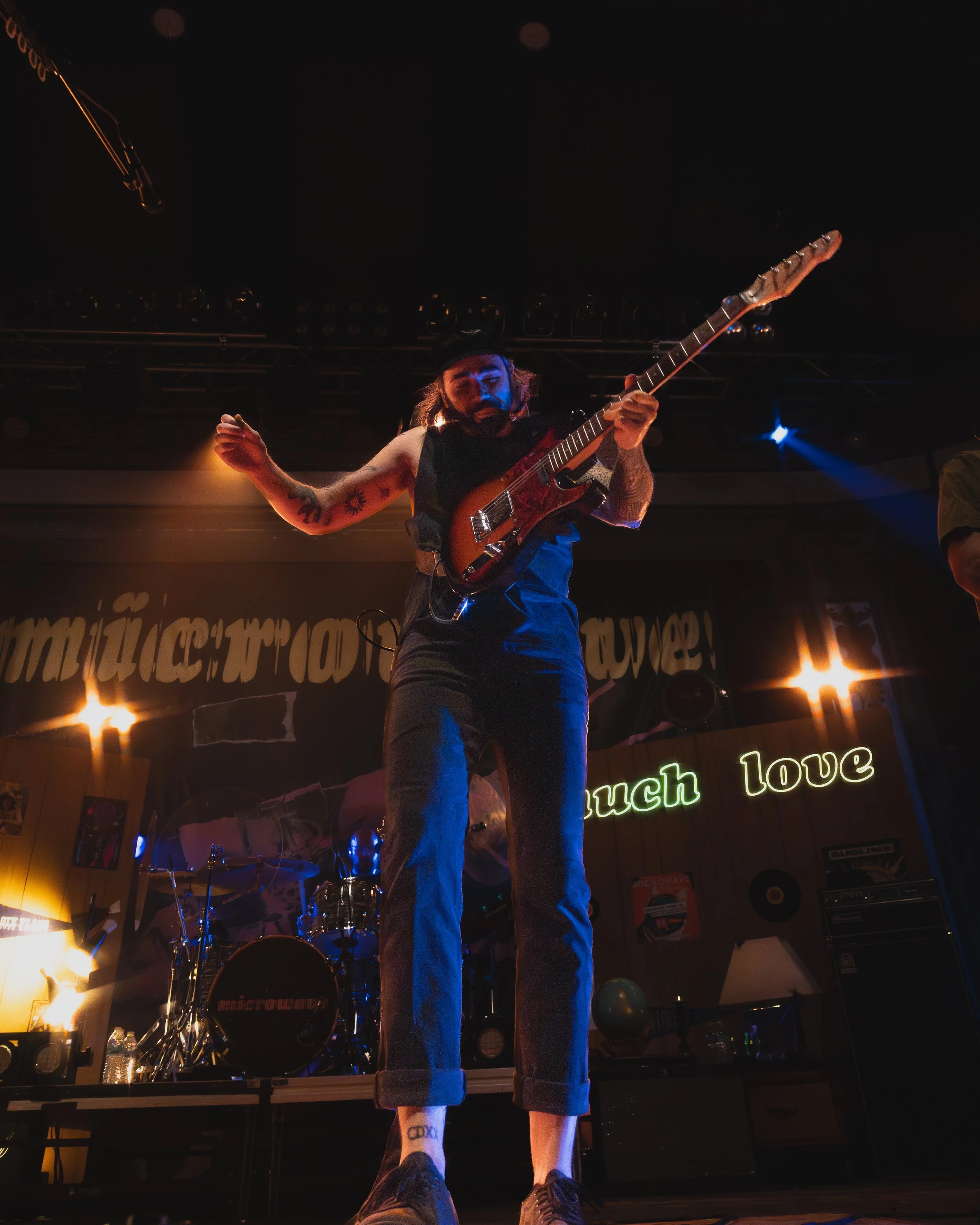

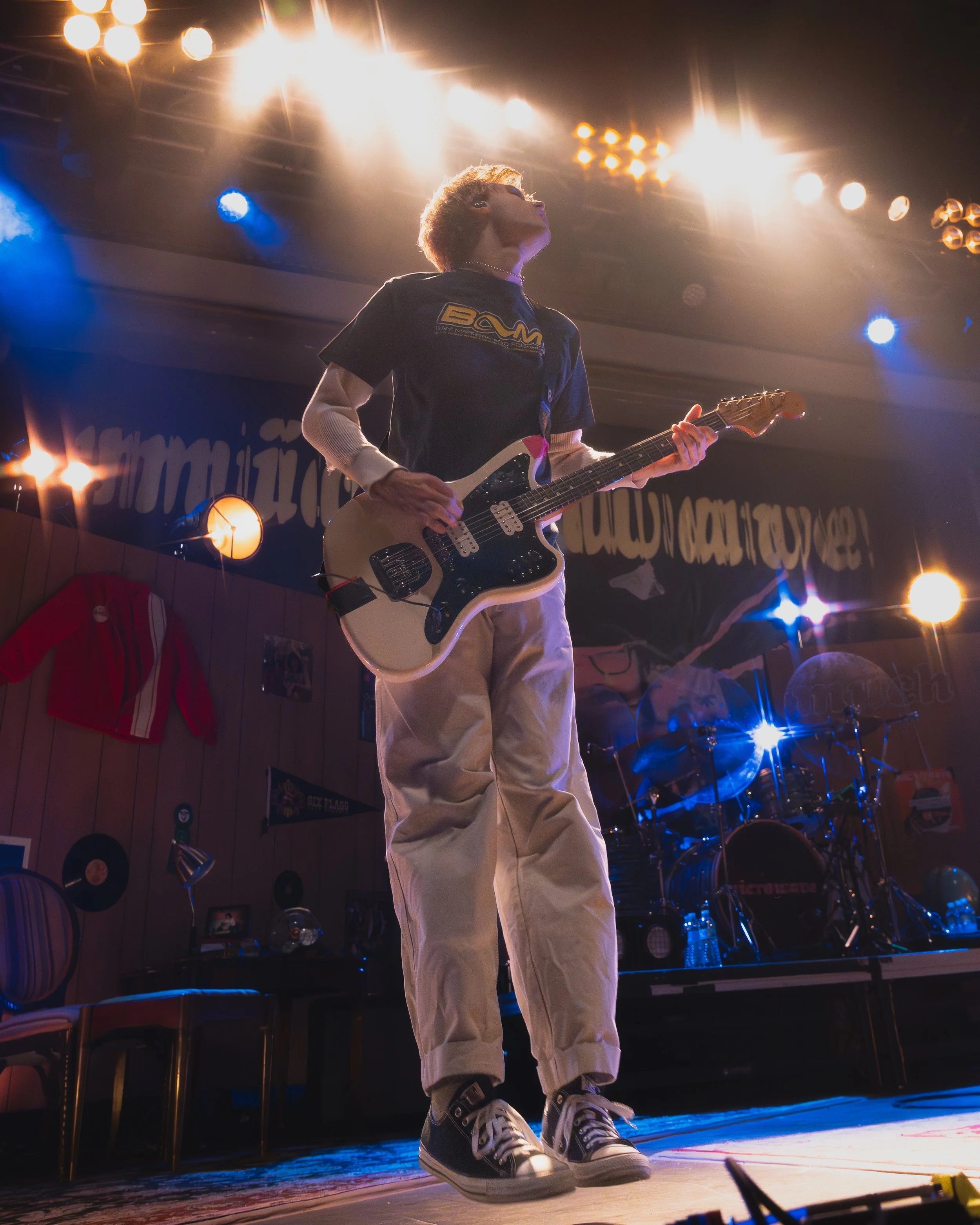
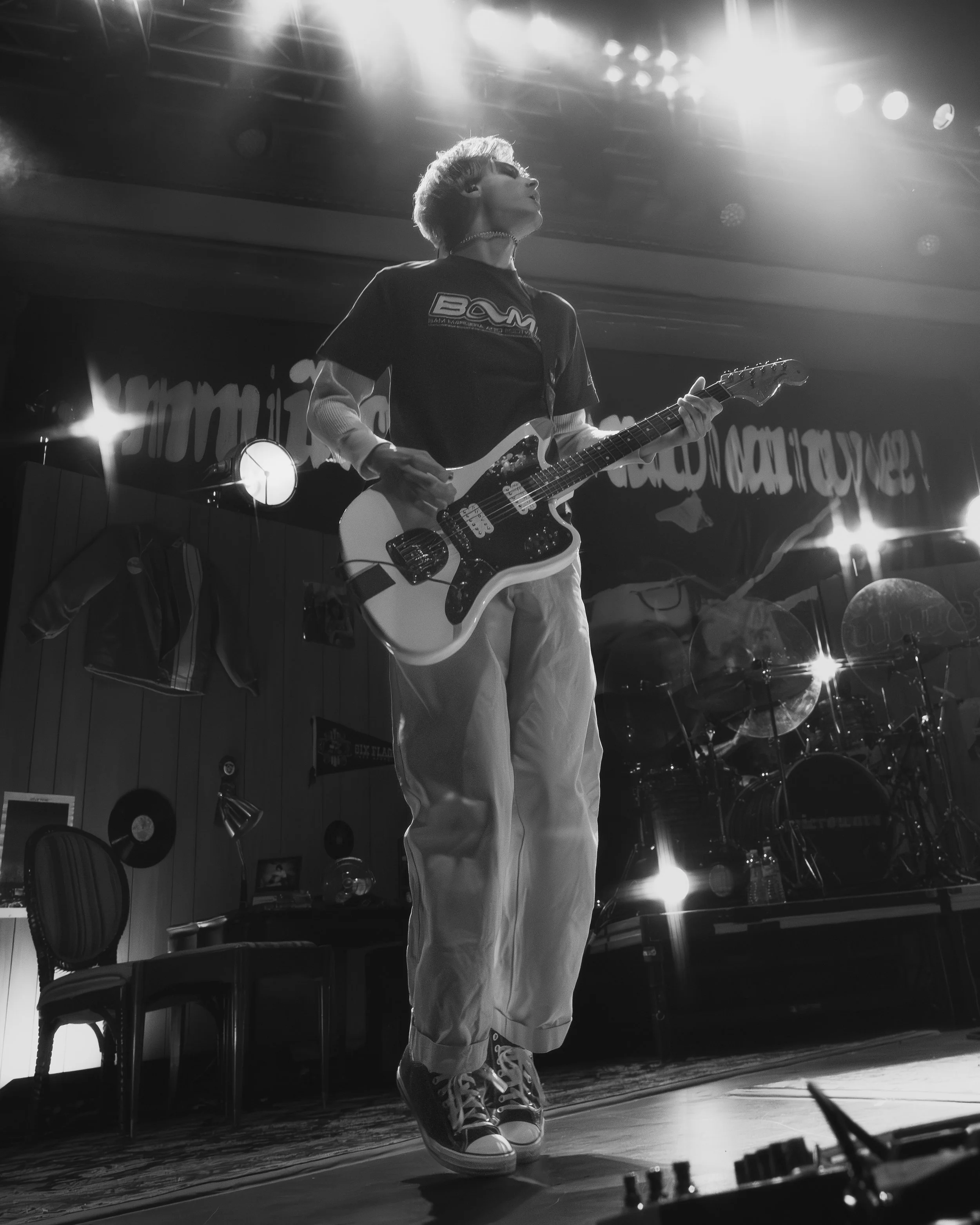
After the album run, they opened things up. A handful of tracks from across their catalog, giving the night just enough lift after the emotional weight of Much Love. It felt earned. Necessary, even.
But the heart of the night was always going to be that record.
Ten years later, Much Love hasn’t softened. It hasn’t aged into something easier to digest. If anything, it’s sharper now. More lived-in. More real.
By the end of the night, the room felt spent in the best way. Not exhausted, just emptied out. Like everyone had put something down they didn’t need to carry home.
Walking out of Newport, there’s that familiar ringing in your ears. The kind that lingers. A reminder that for a couple hours, you were somewhere else entirely.
Microwave didn’t reinvent anything that night.
They didn’t have to.
They just reminded everyone why the record mattered in the first place.