
Swing, Sweat, and Psychobilly Chaos: Reverend Horton Heat Takes Over Starland Ballroom

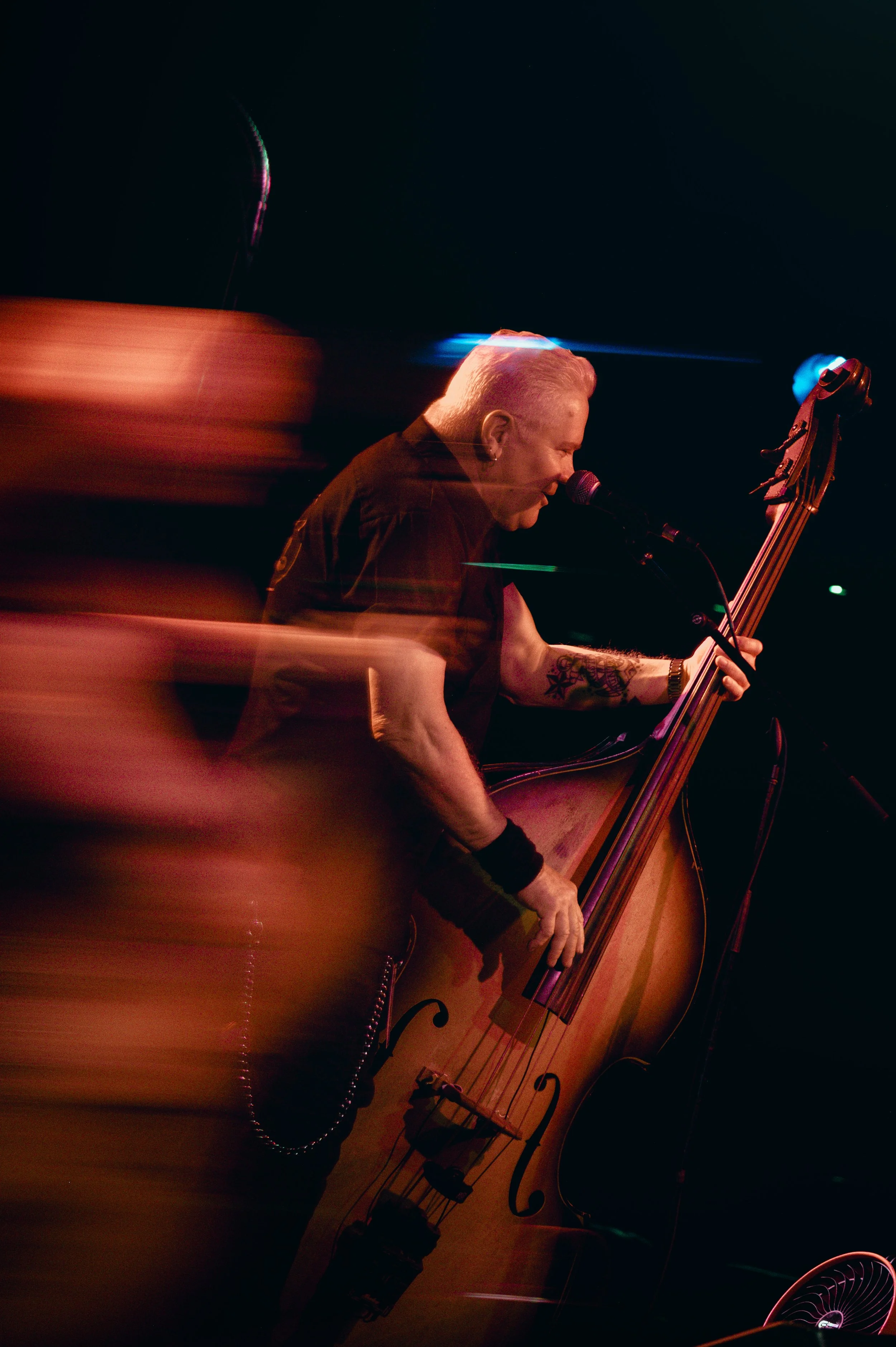
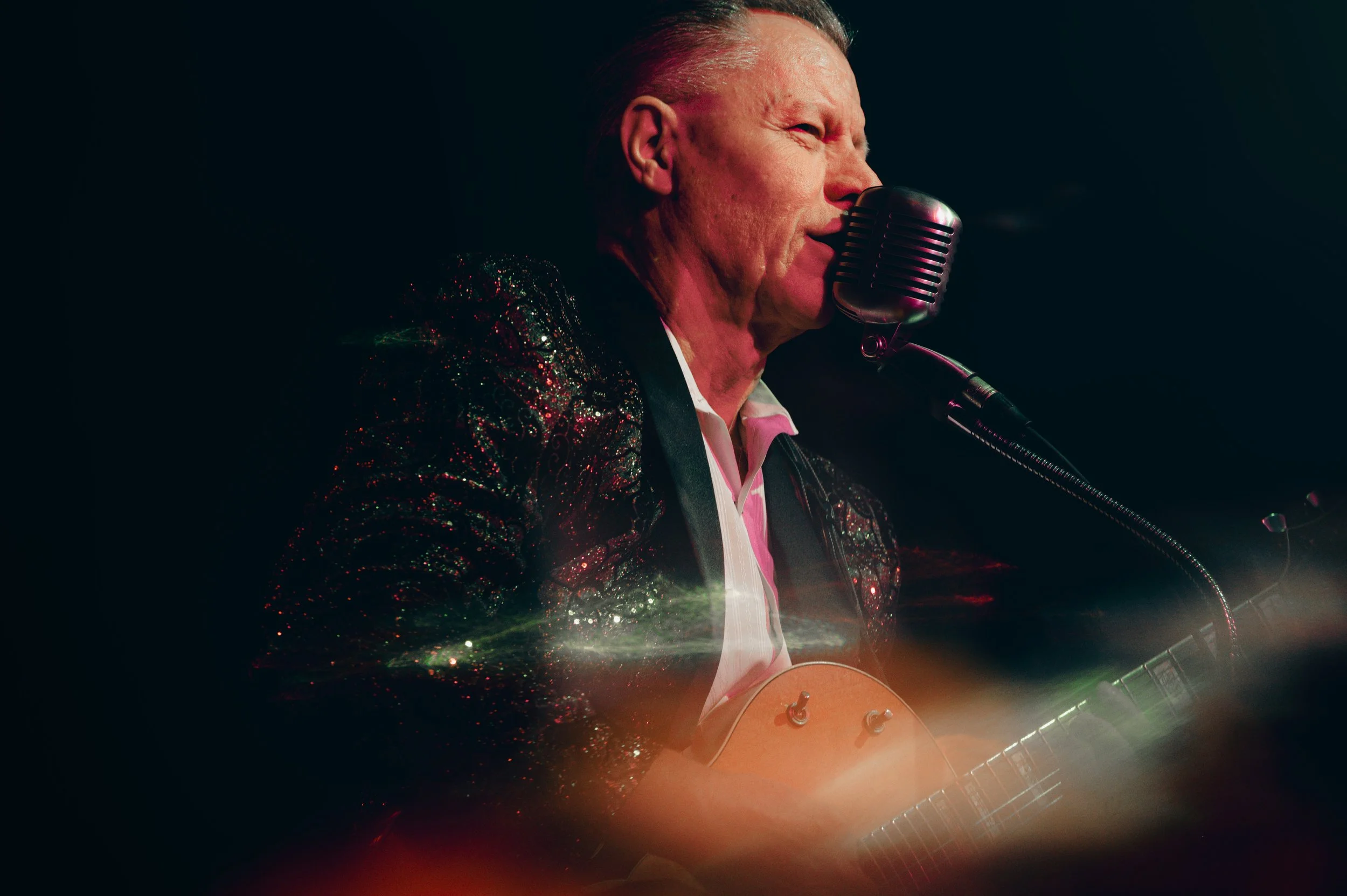
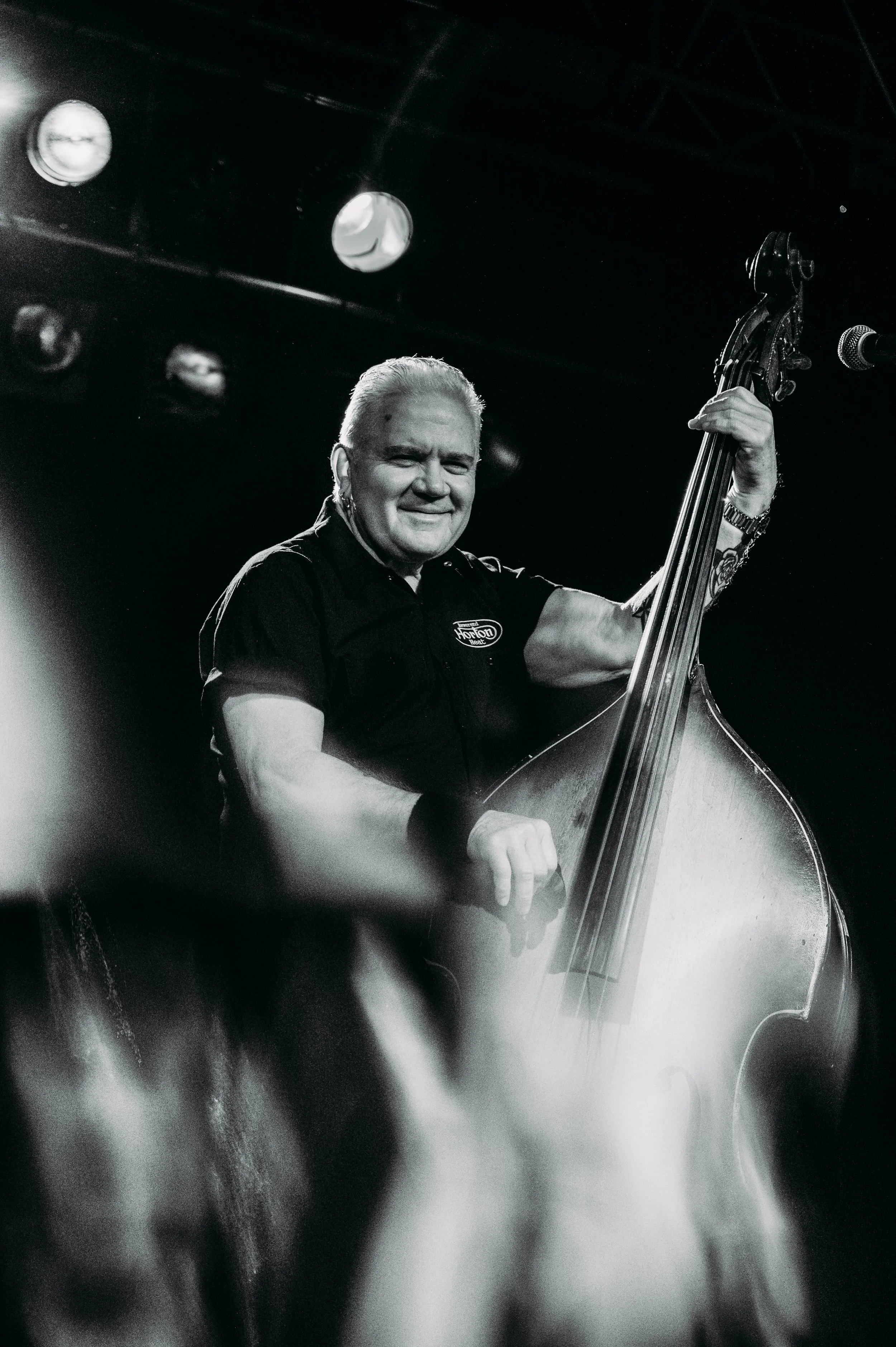
Reverend Horton Heat, the legendary psychobilly band from Texas, brought a heat wave to New Jersey as they turned up the temperature inside an already sweltering Starland Ballroom on Wednesday night. Comprised of Jim Heath on lead guitar and vocals, Jimbo Wallace on upright bass, and Jonathan Jeter on drums, they proved that after 40 years of performing, they can still whip through 90 minutes of pure, delightful rockabilly chaos with both ease and charm.
It was clear their following casts a wide net. The crowd was one of the most diverse mixes of people you could hope to see at a concert: children, frat boys, bikers in full leather with grey beards, rockabilly princesses in wiggle dresses, and gentlemen sporting handlebar mustaches. Some looked like they had stepped straight out of a 1950s time capsule—Rosie-the-Riveter kerchiefs tied in their hair, bold red lips to match. That diversity spoke volumes. RHH doesn’t fit neatly into one category. Their sound is a little country, a lot of rockabilly, undeniably rock and roll, and at times, even flirts with punk.
THE DRACU-LAS
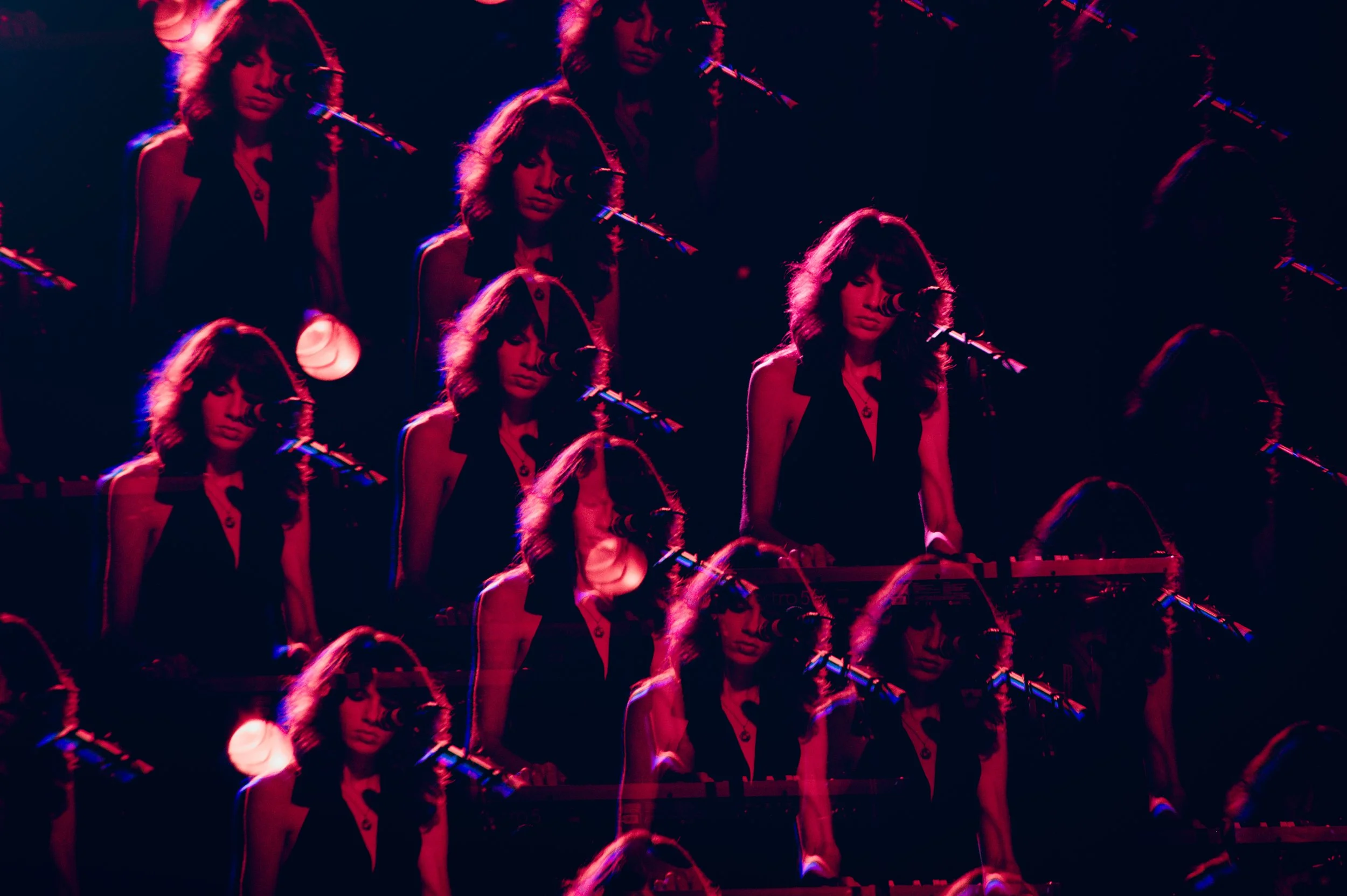
Before RHH took the stage, three opening acts warmed up the room. The Dracu-Las delivered a fun set of surf rock–inspired jams, setting a playful tone early on.


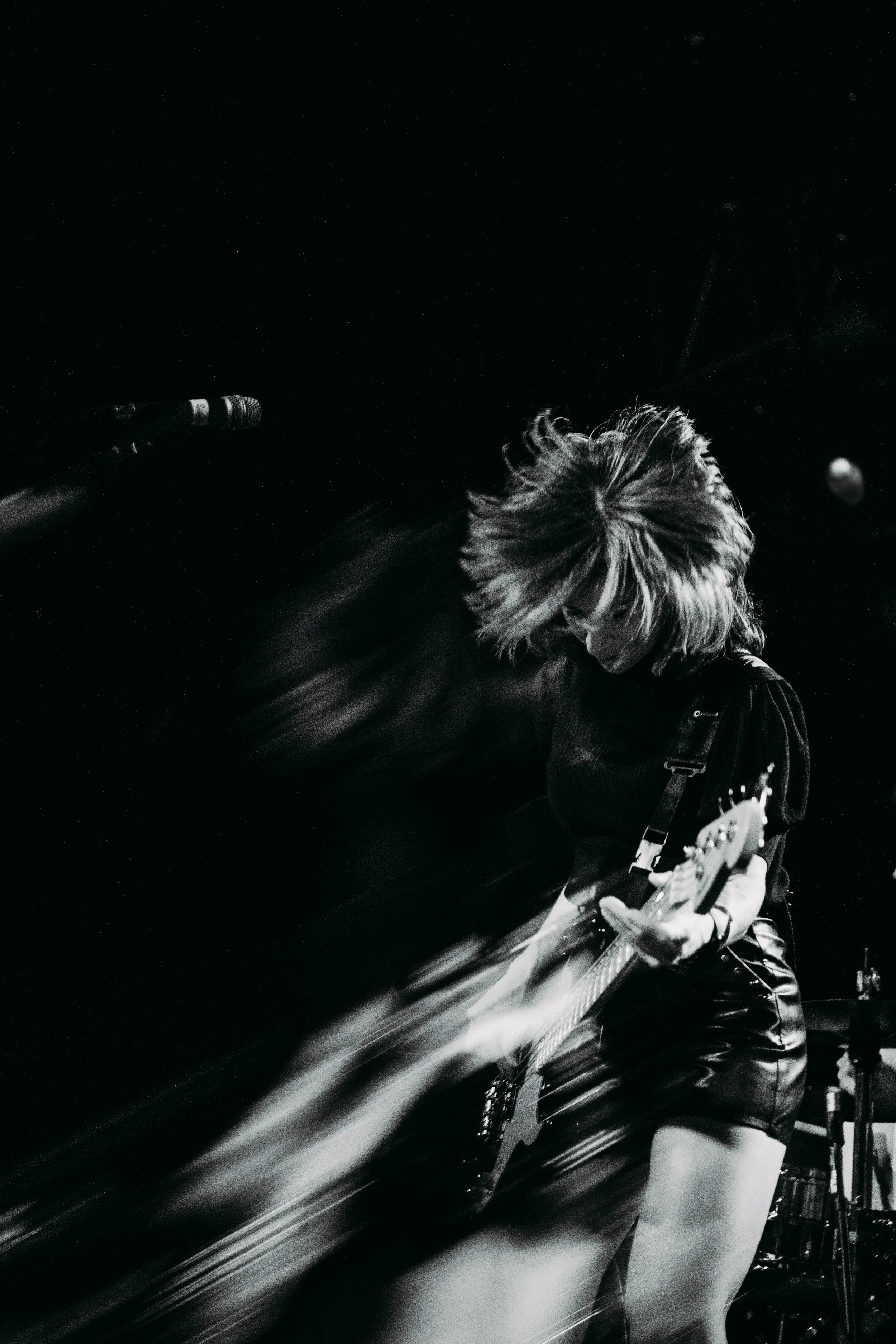
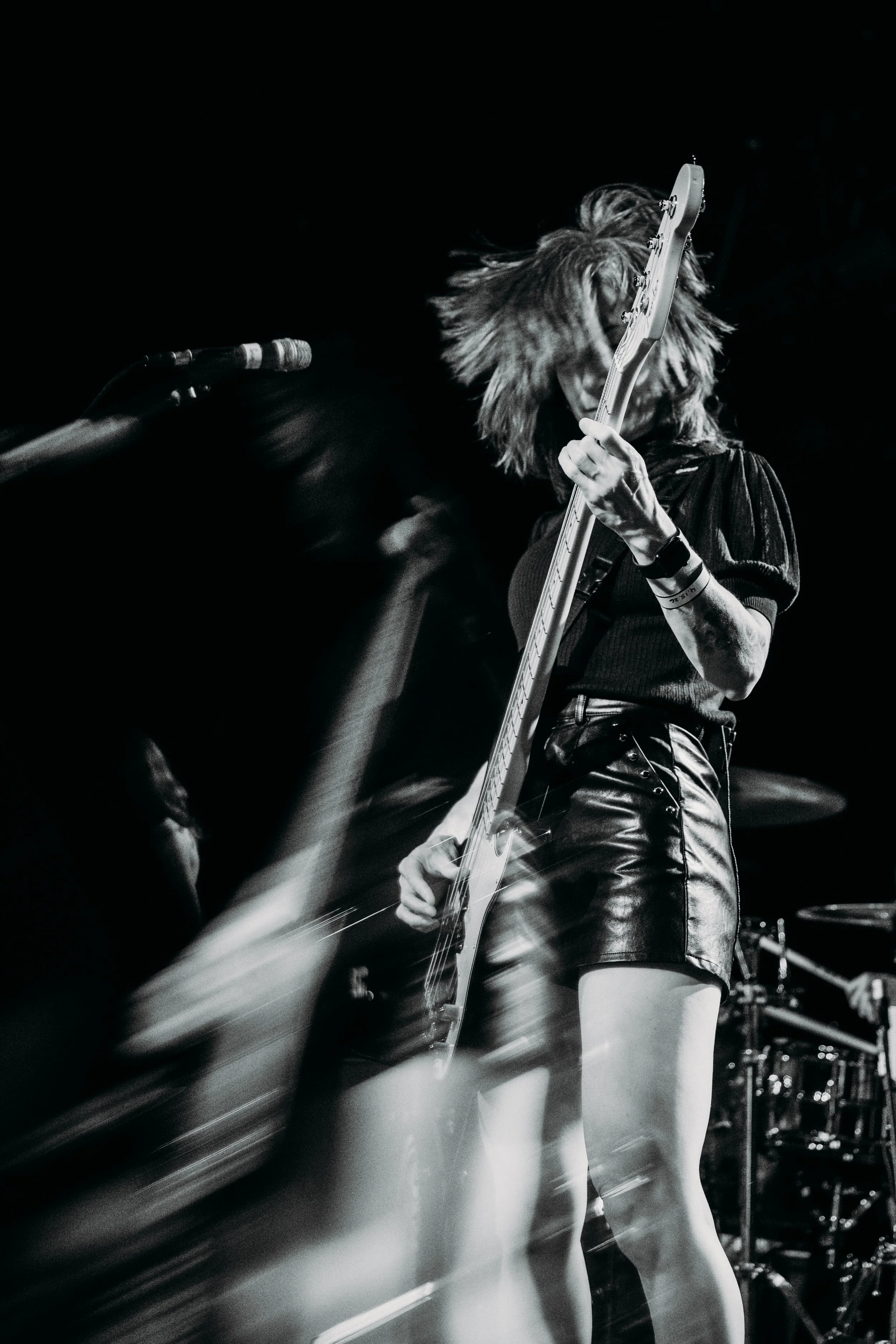
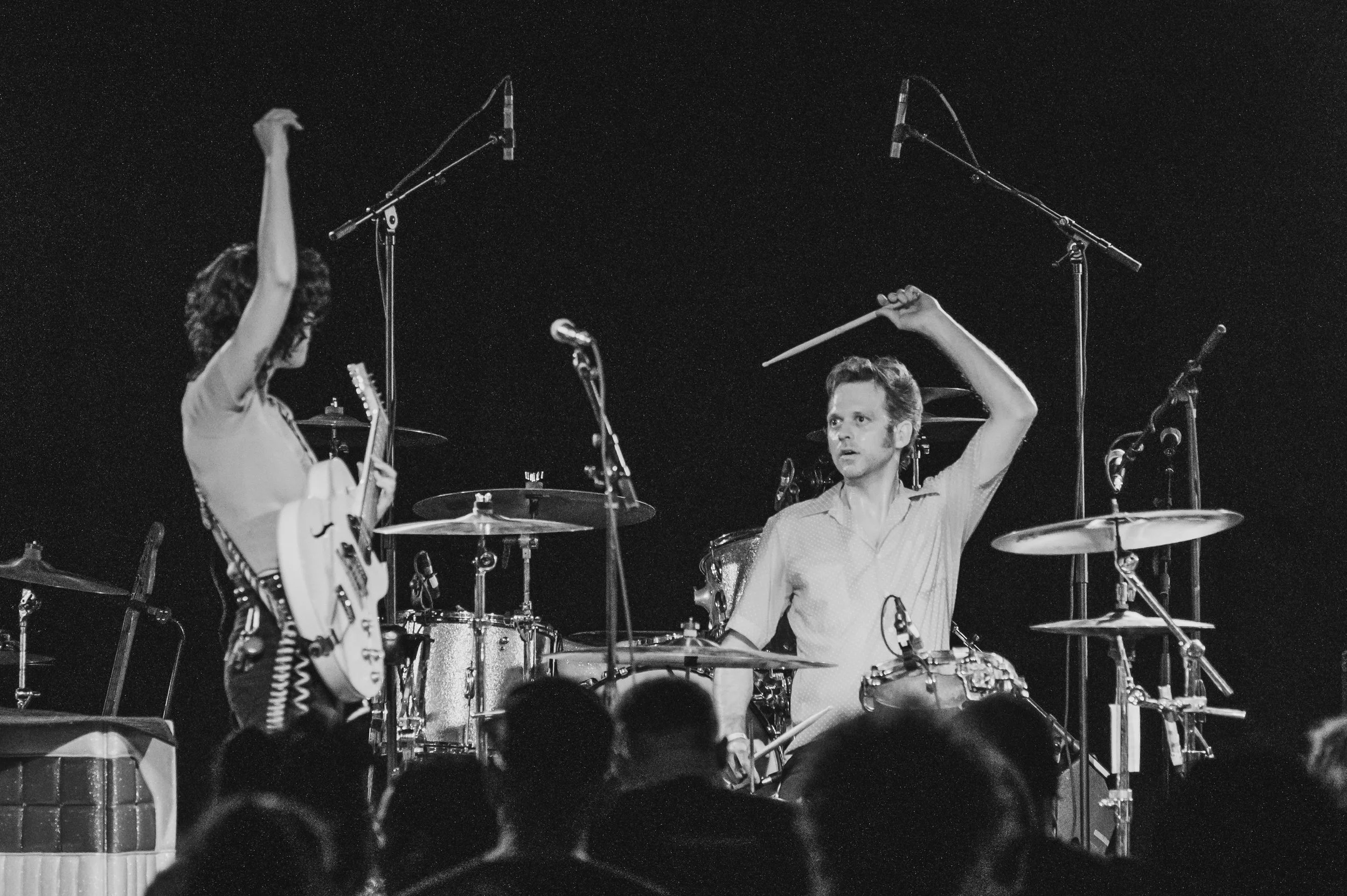
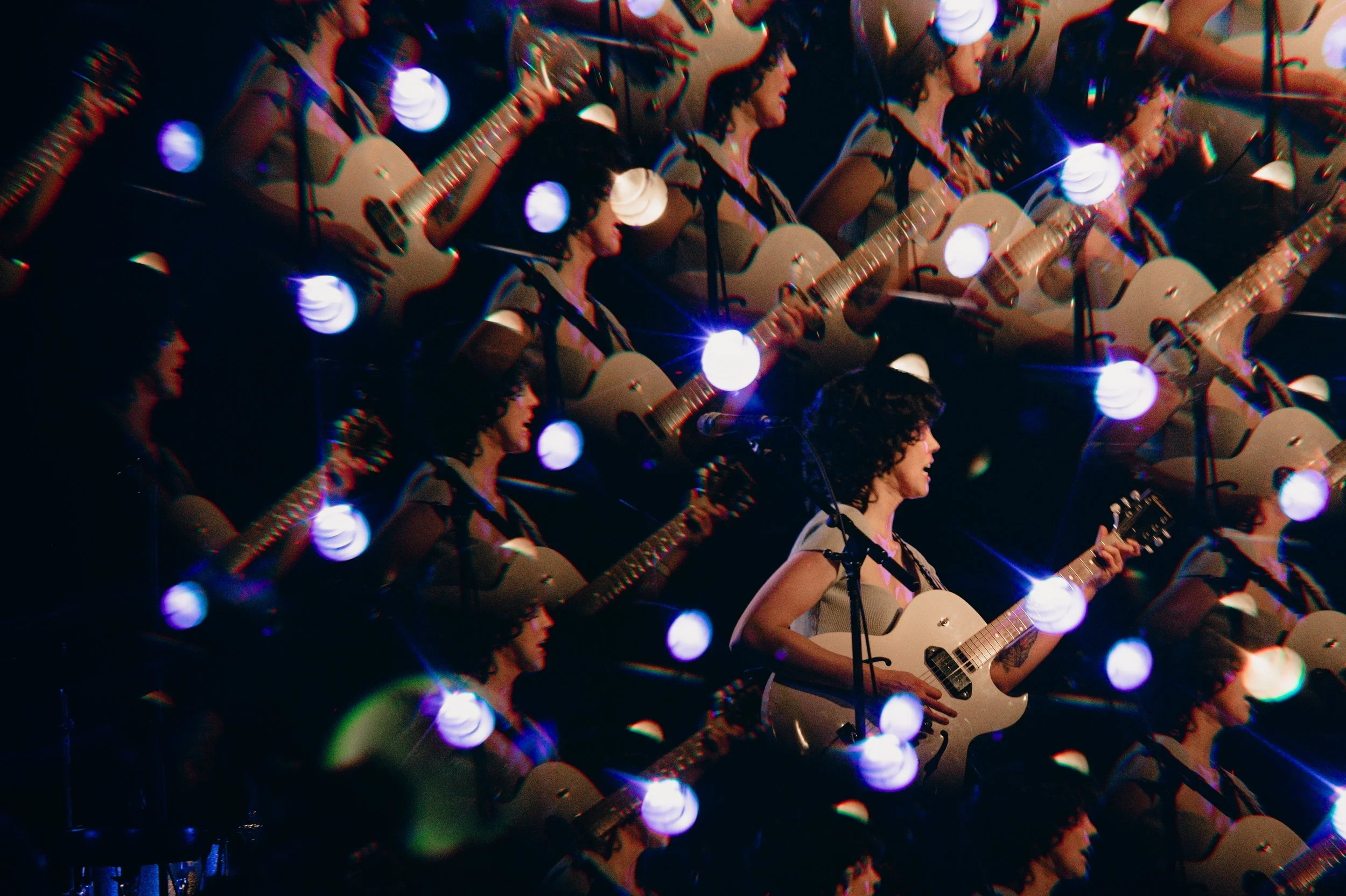
PIÑATA PROTEST
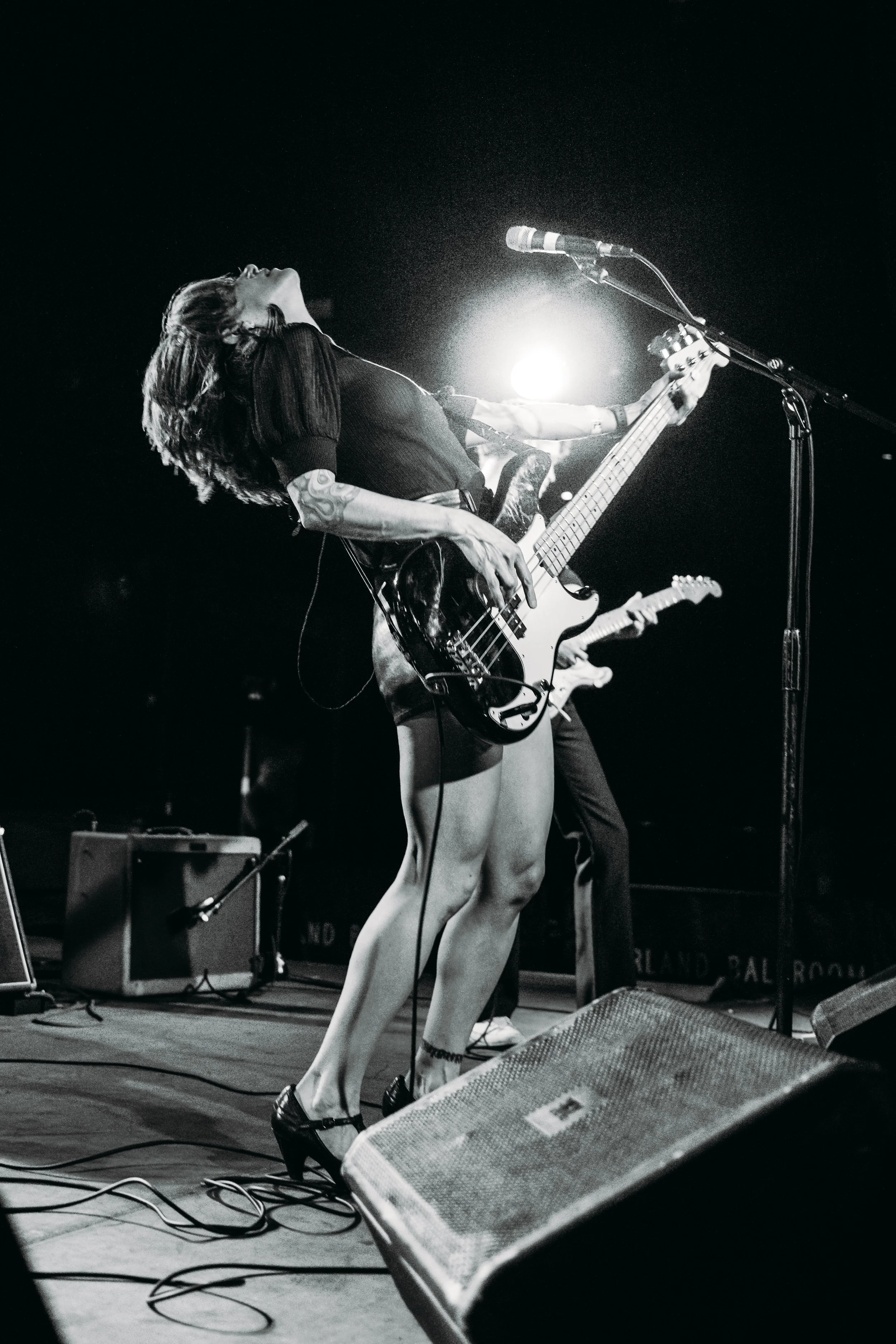
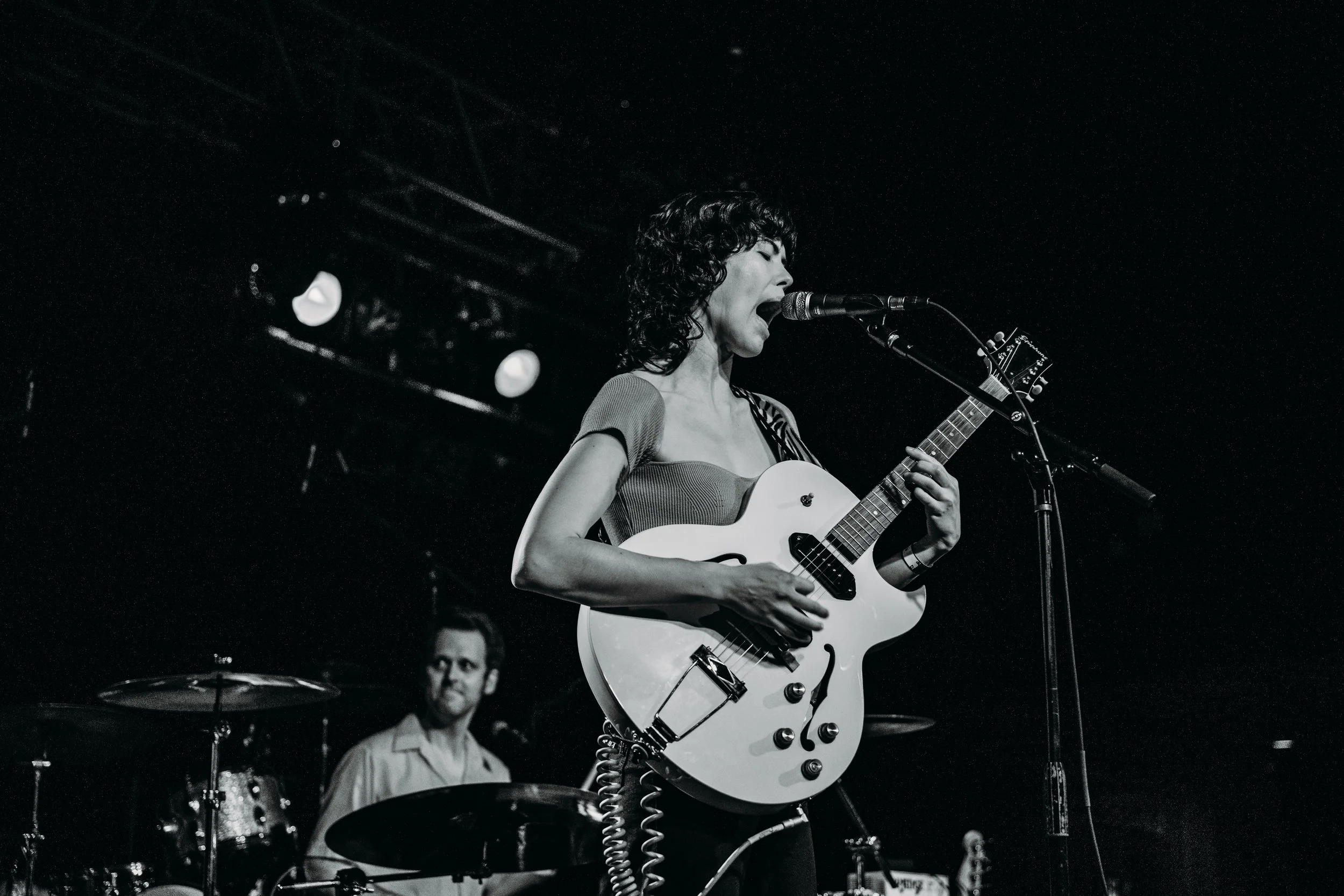
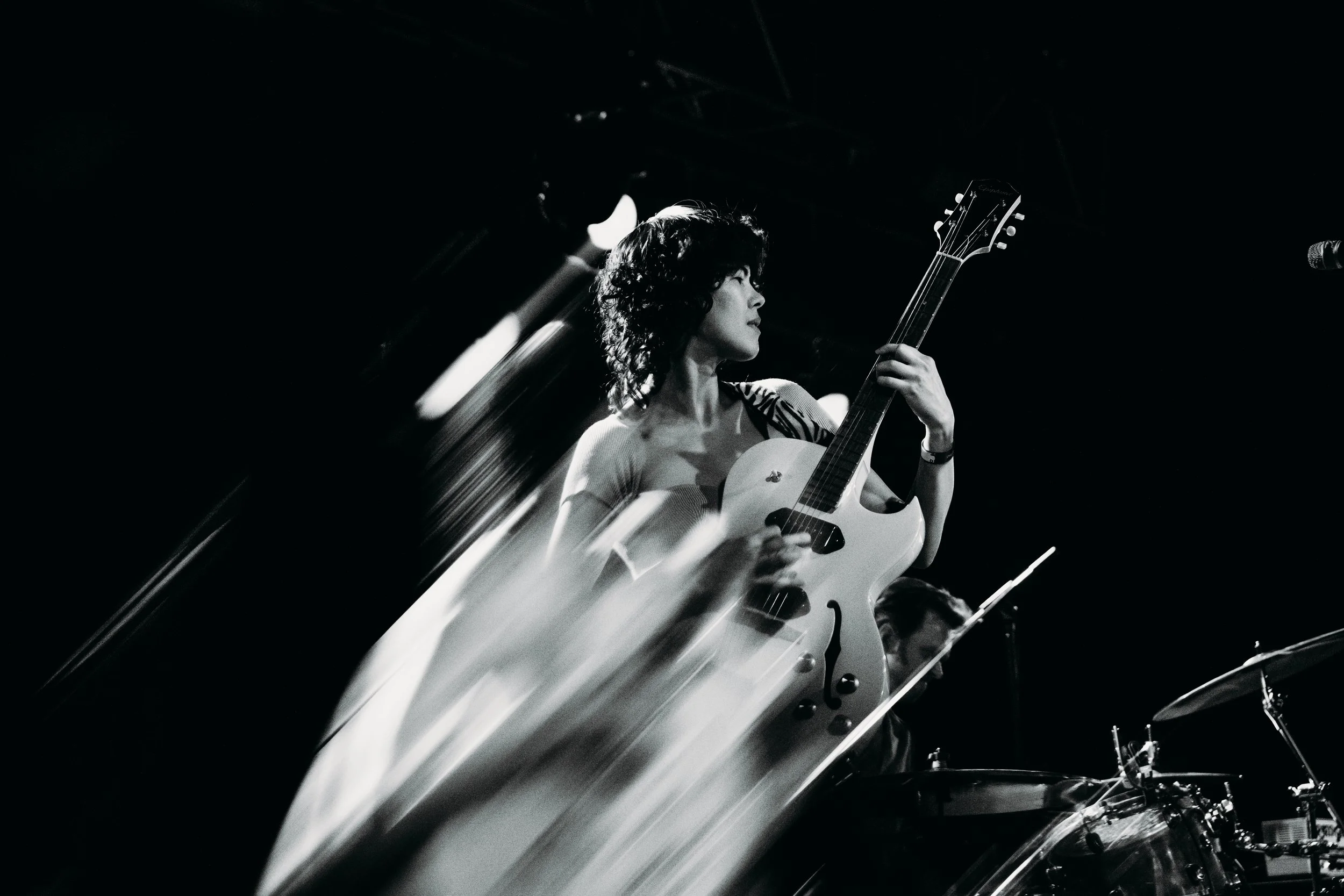
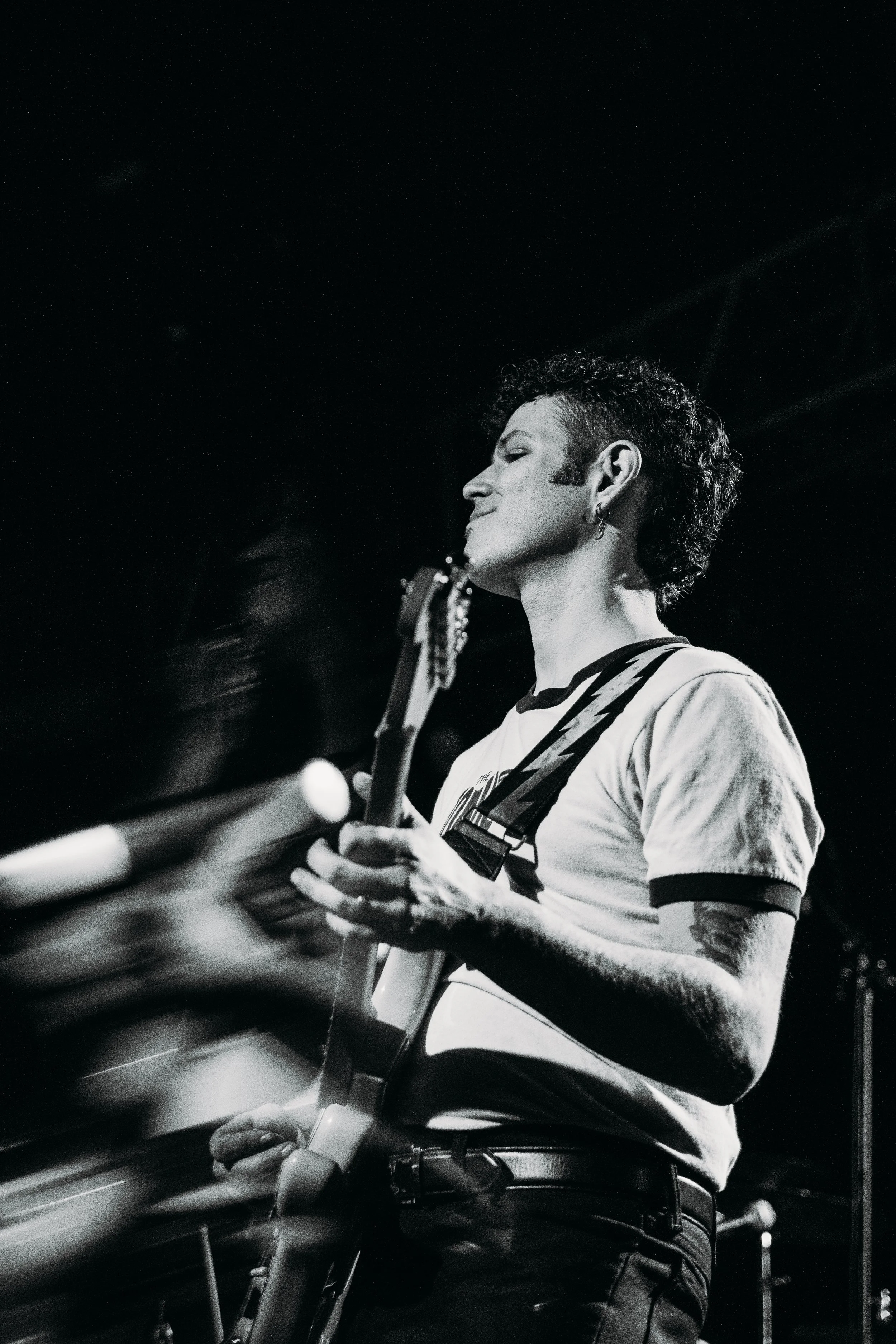
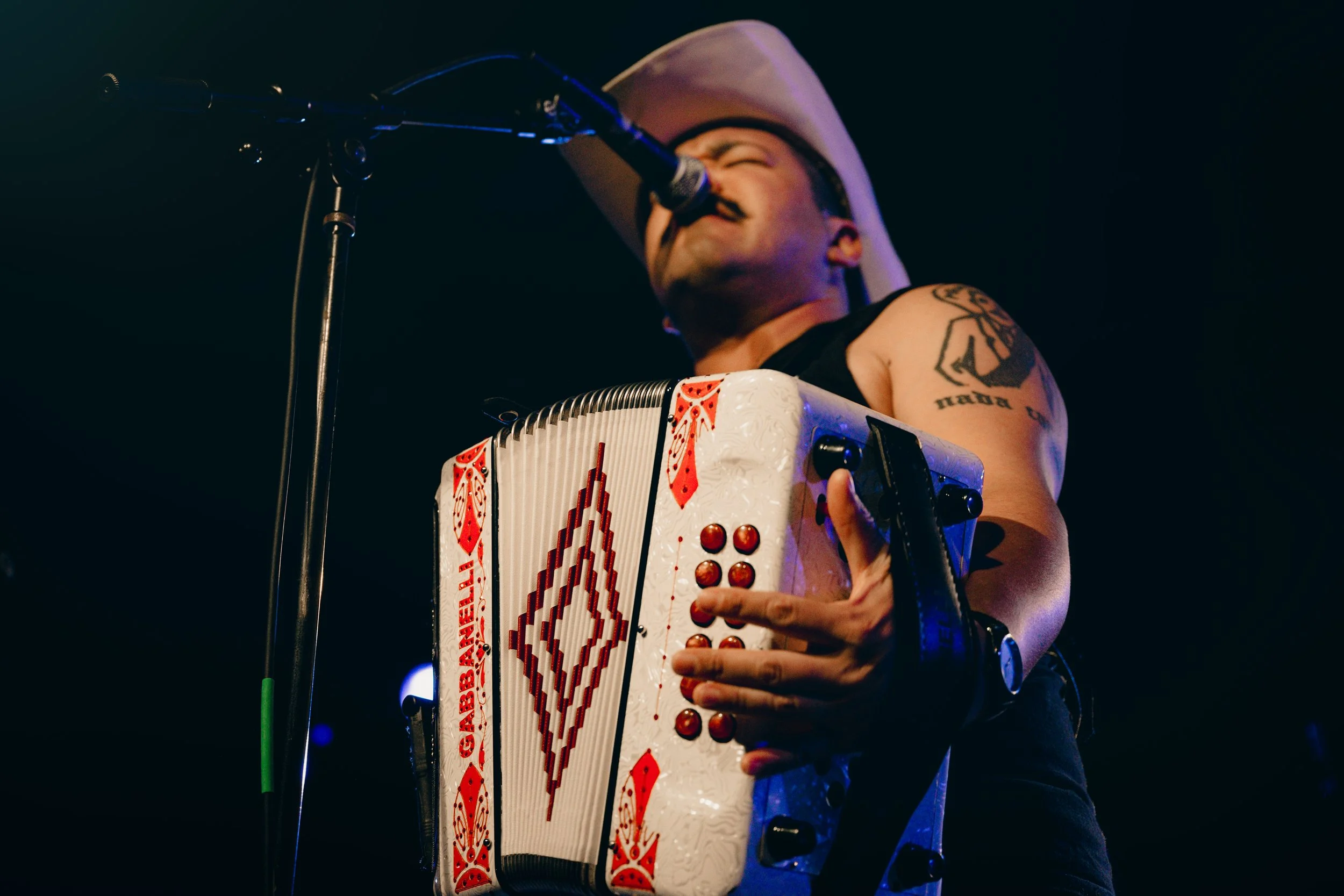
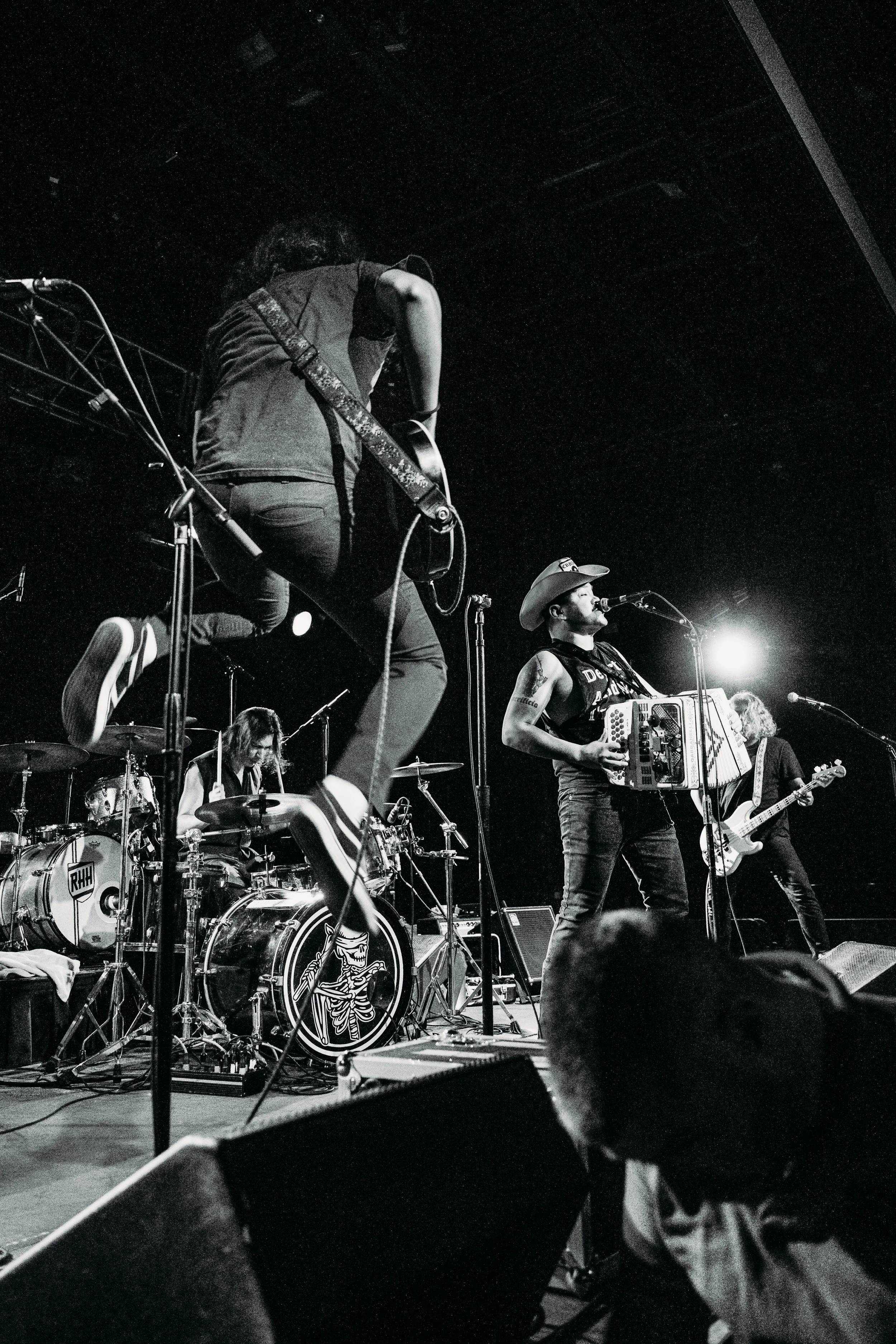
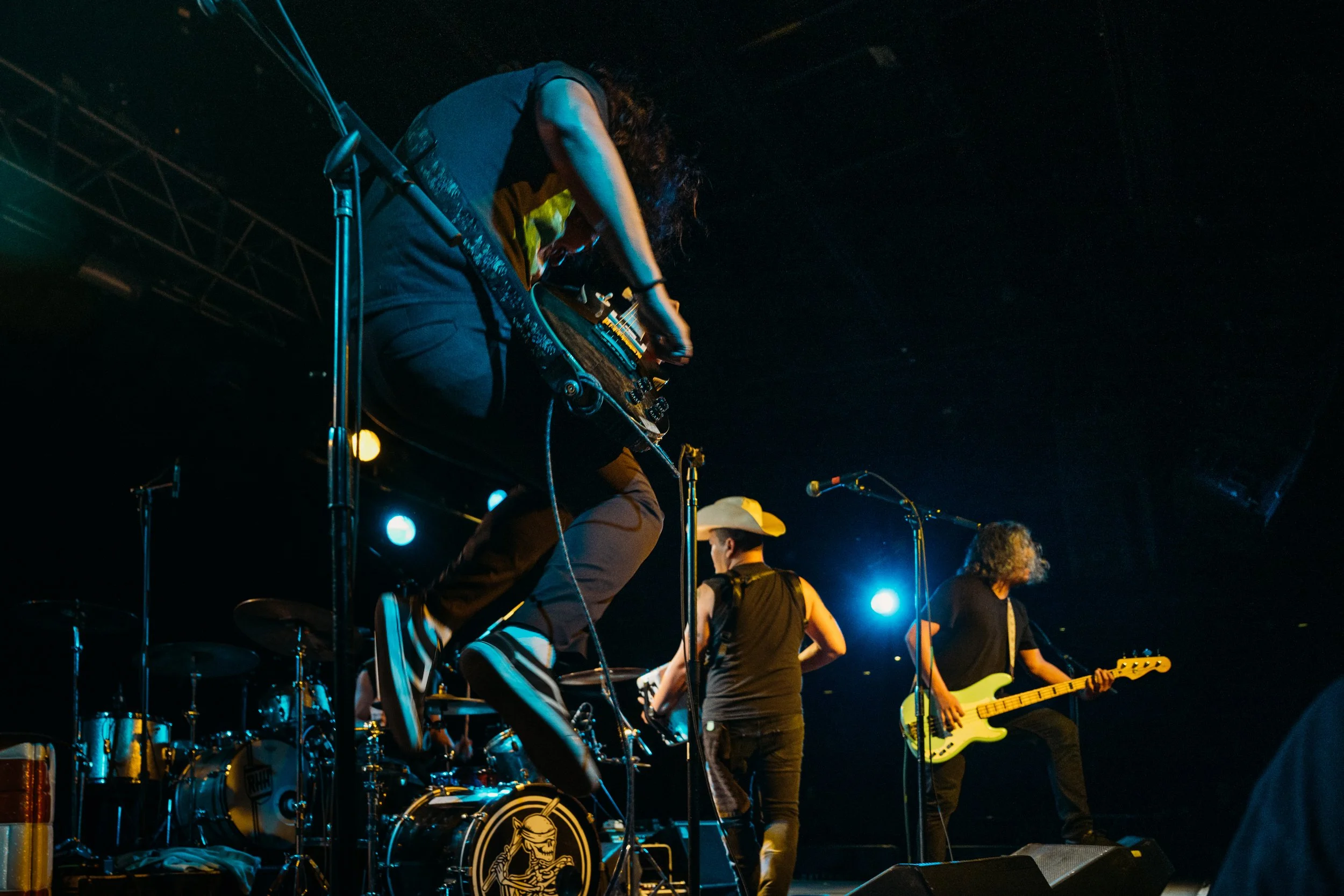
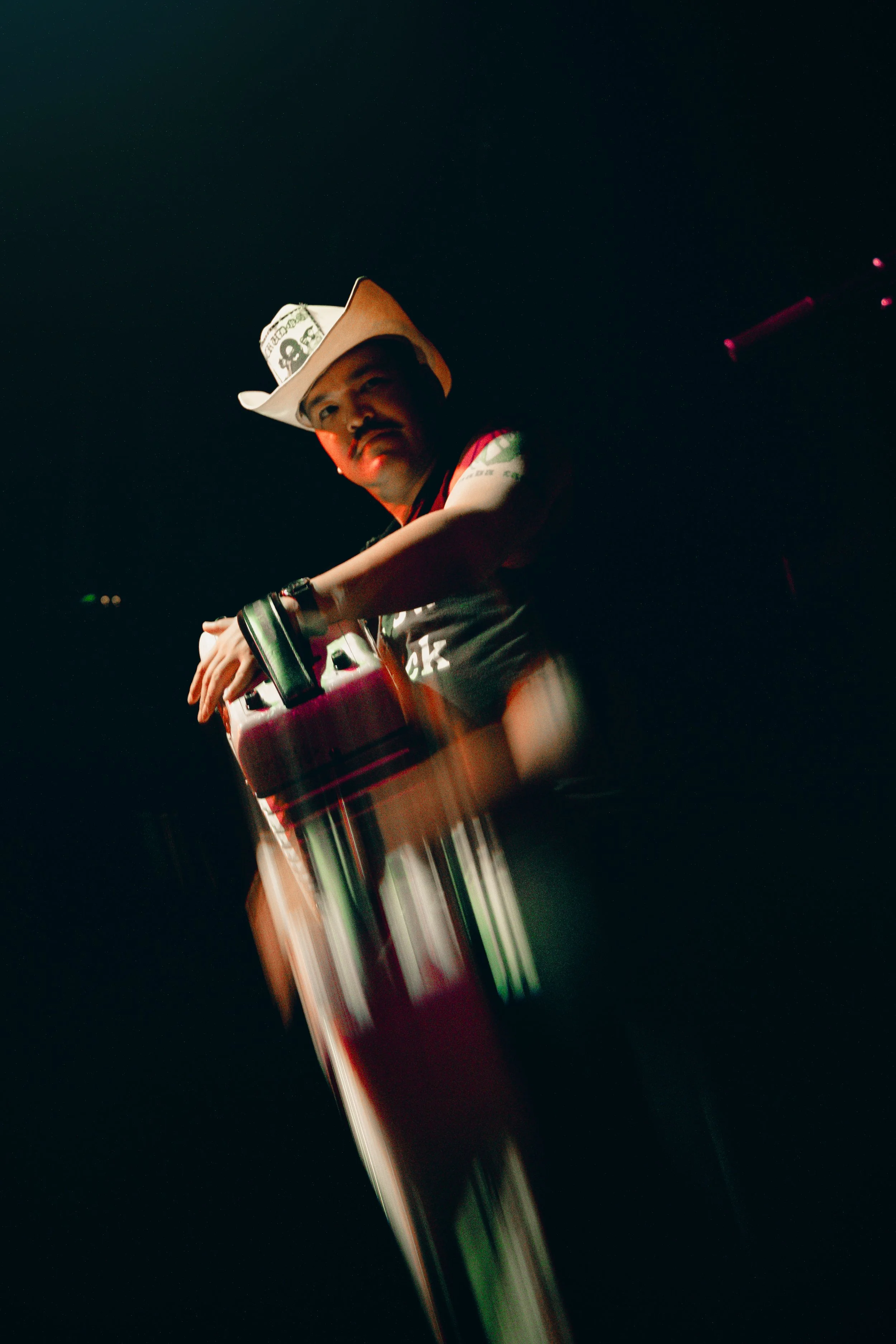
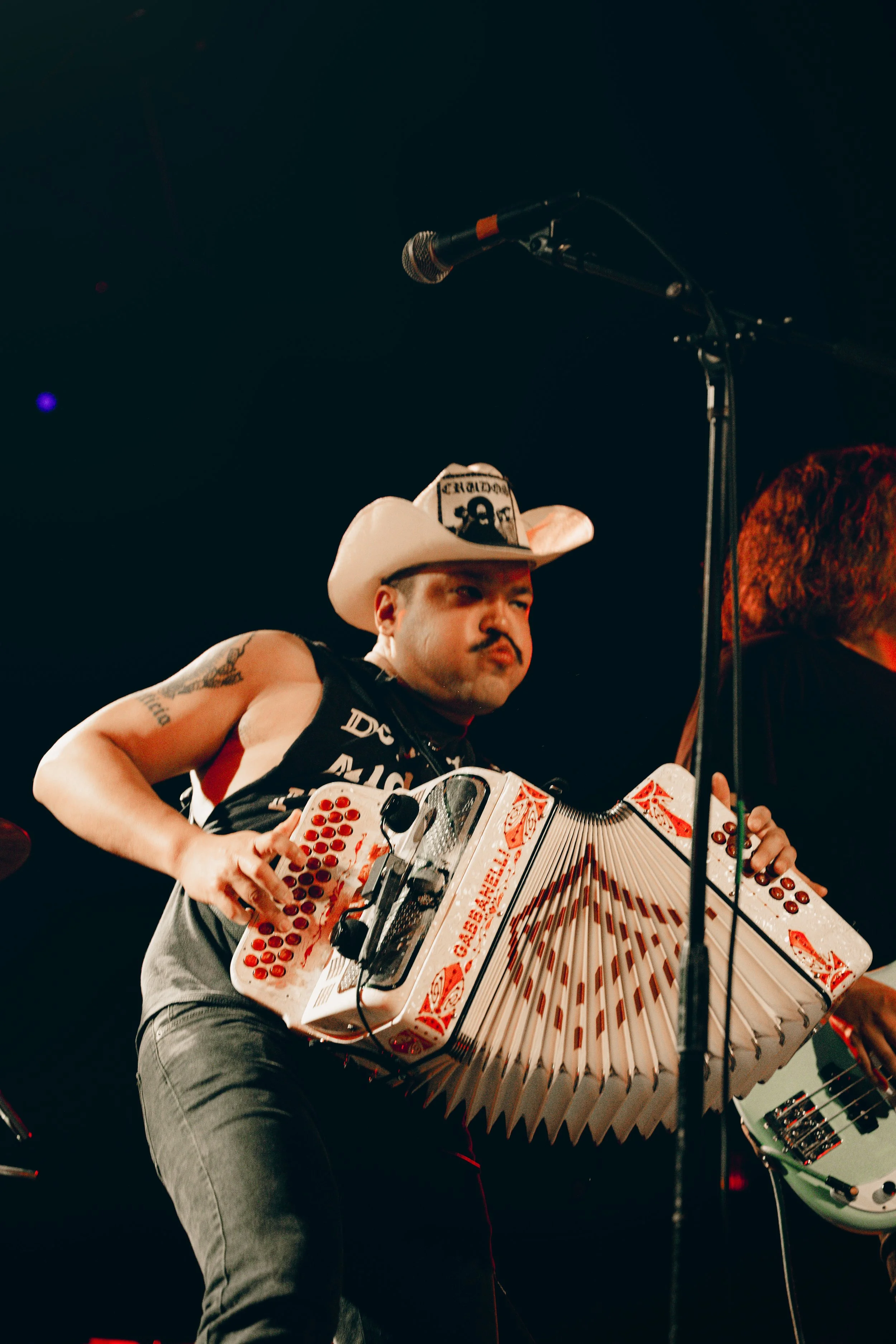
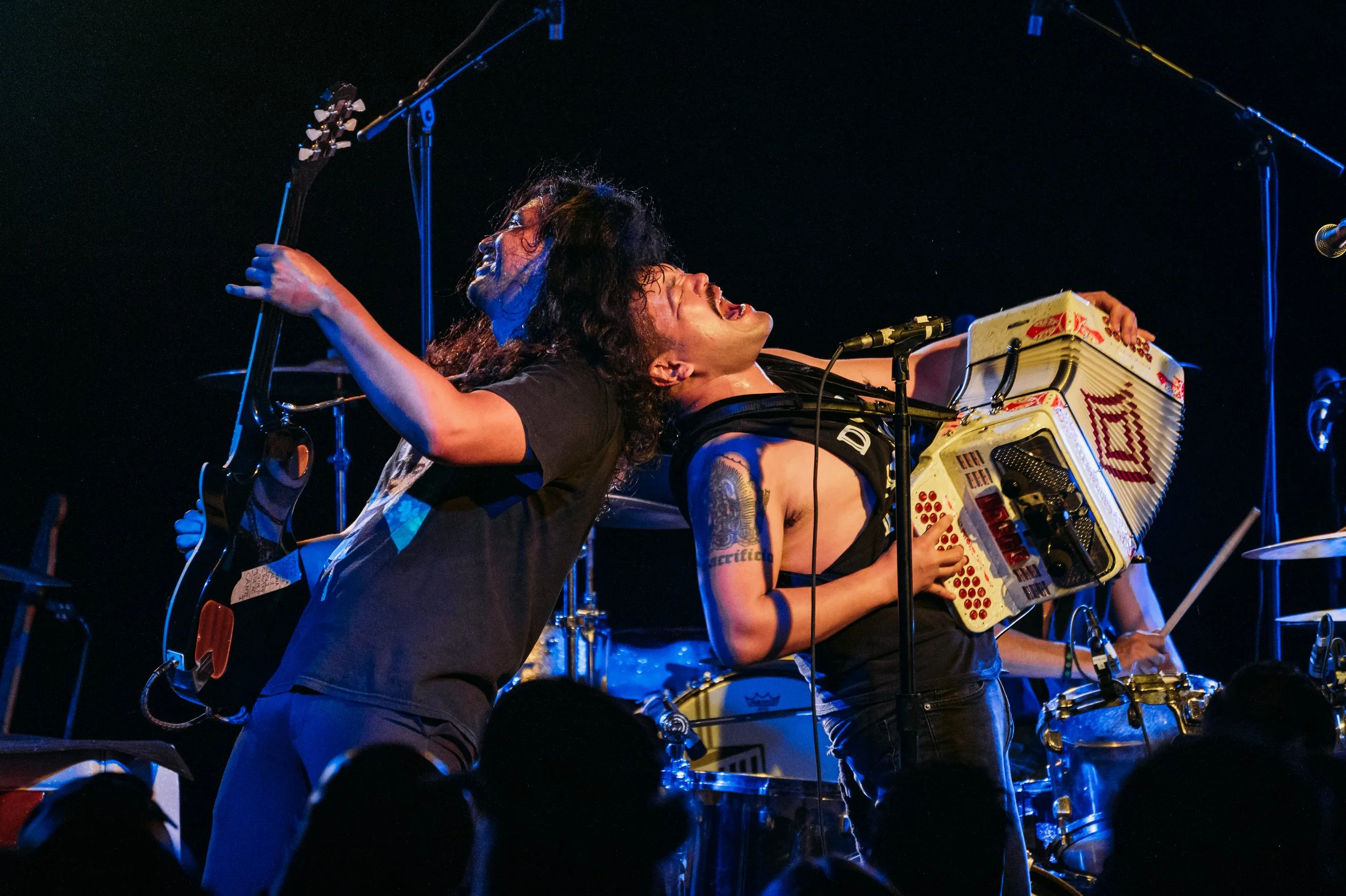
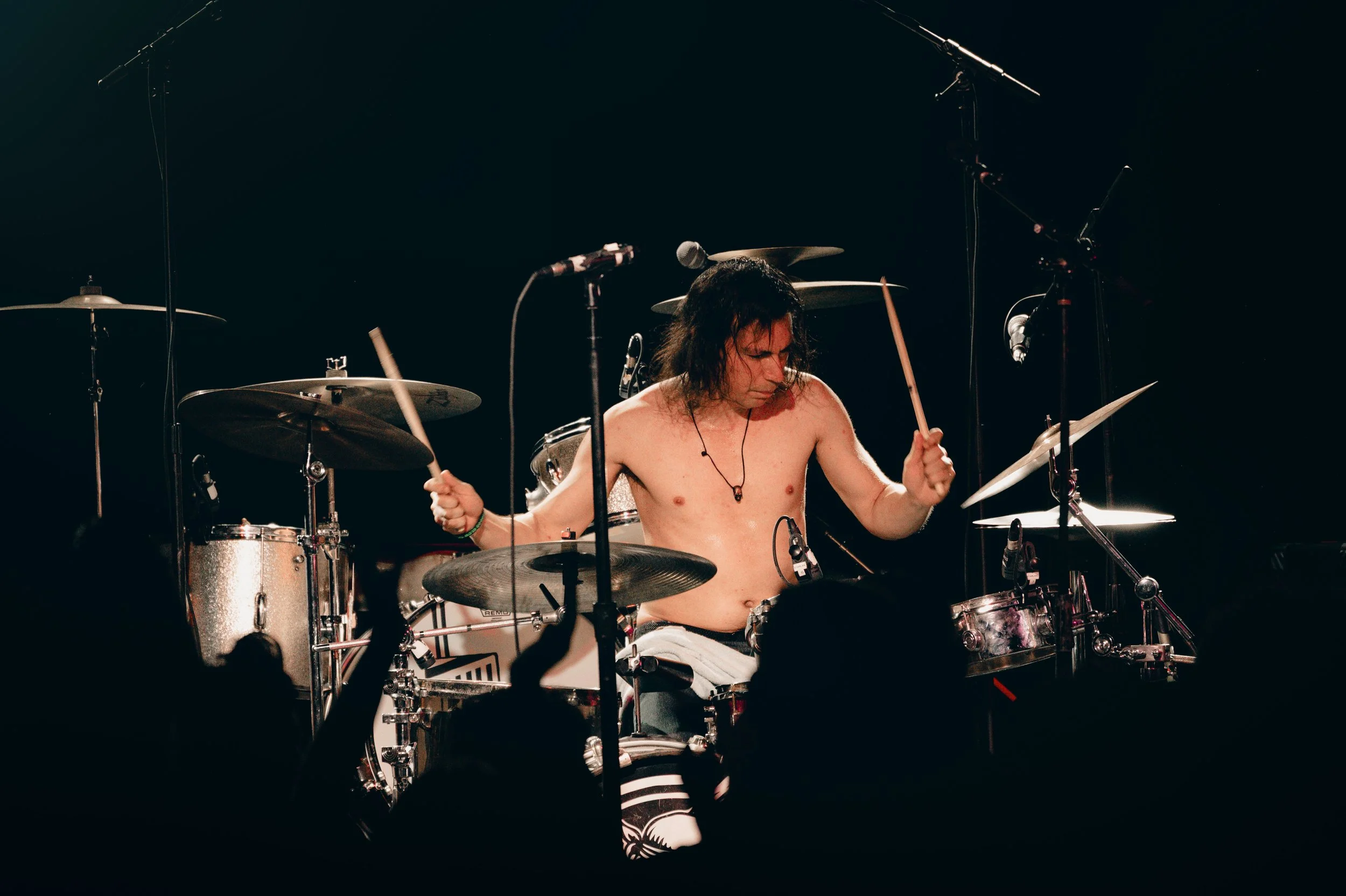
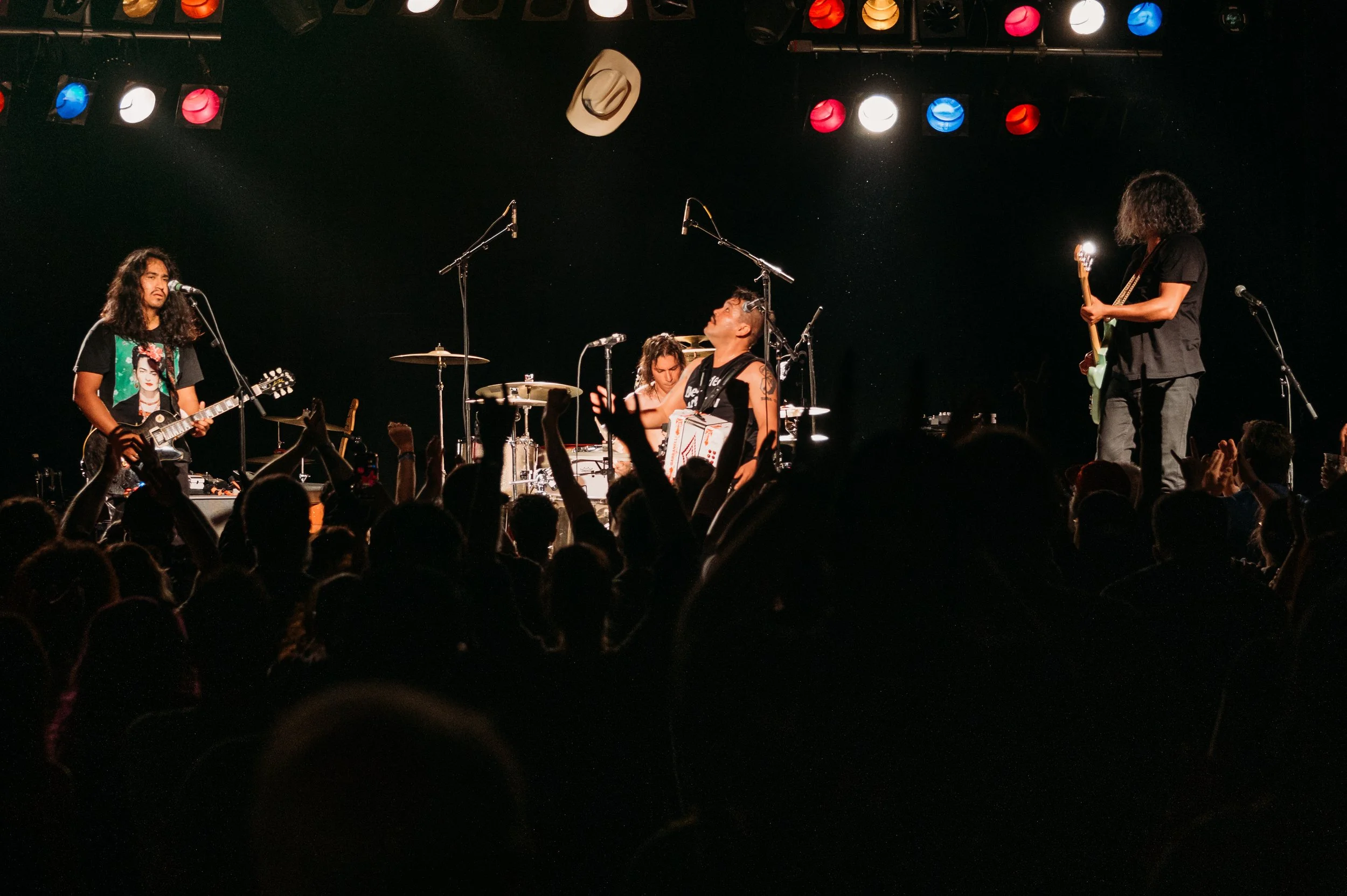
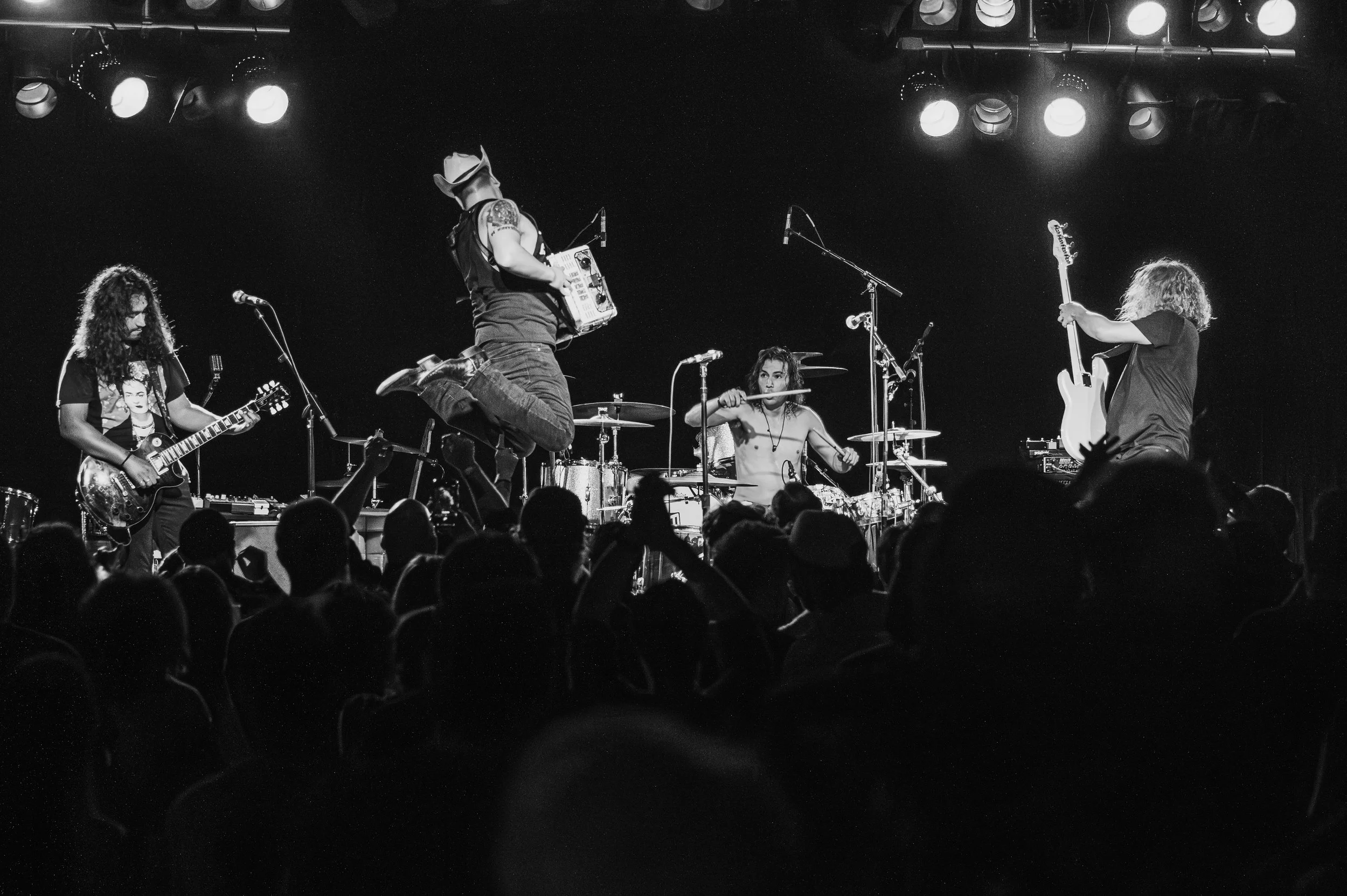
By the time Piñata Protest hit the stage, the venue was nearly full. They were raucous and energetic, with a frontman who effortlessly switched between accordion and trumpet while working the crowd into a frenzy. At one point, they jokingly announced they were about to “get political,” only to ask the audience to choose between red or green salsa. What followed was a playful “wall of death,” with fans dividing into sides and crashing into each other in good spirits.

BLACK JOE LEWIS
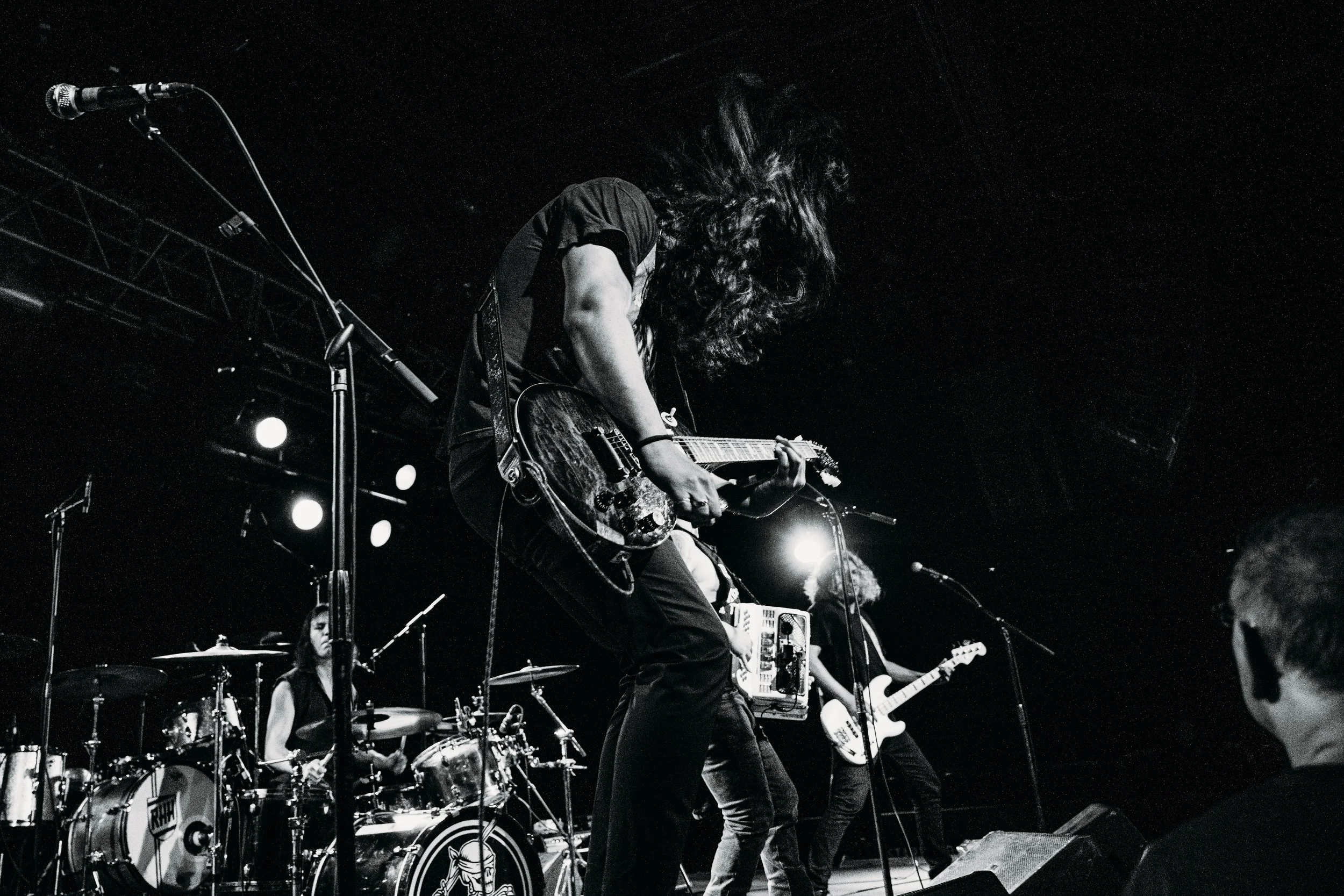
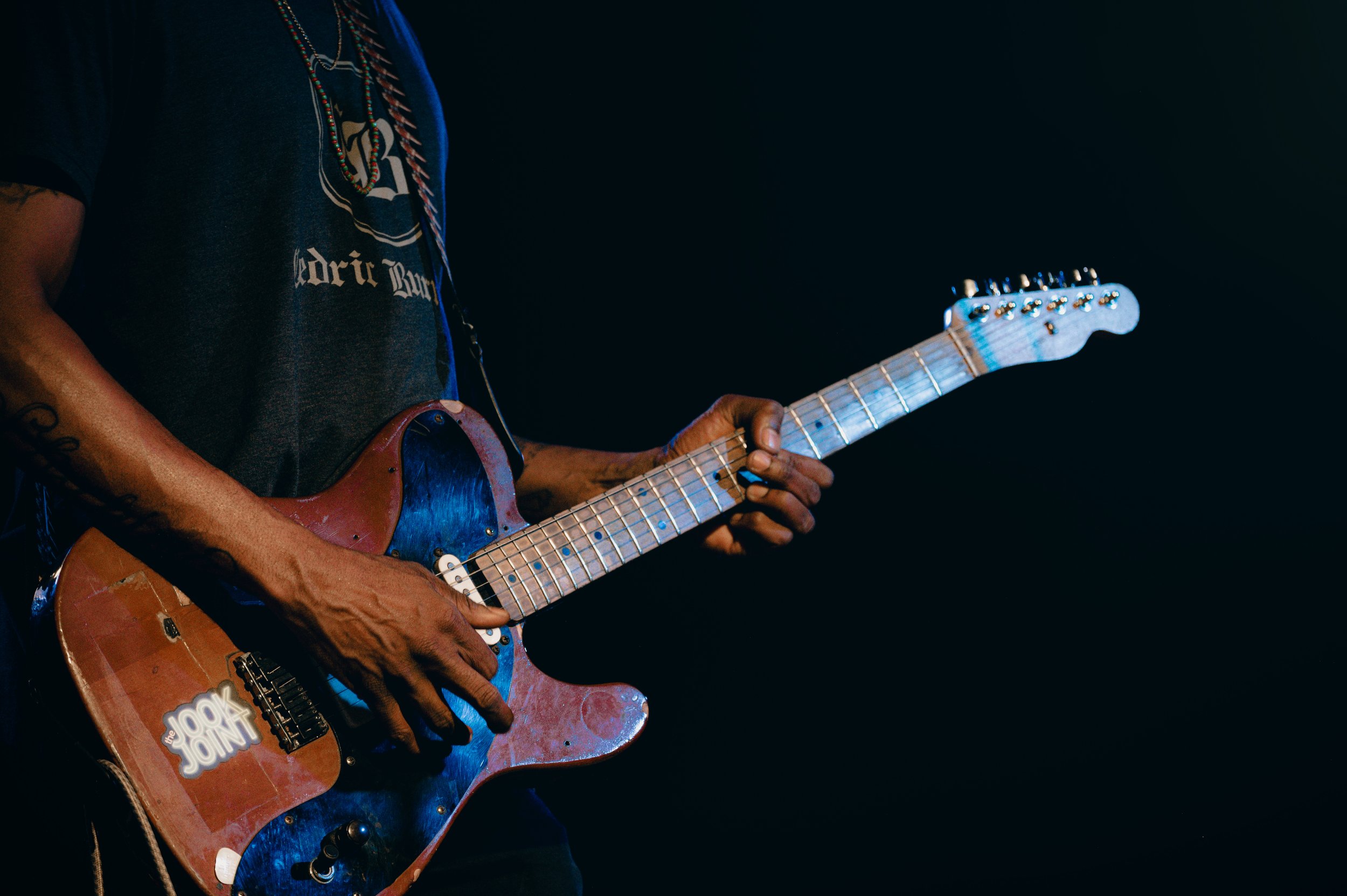
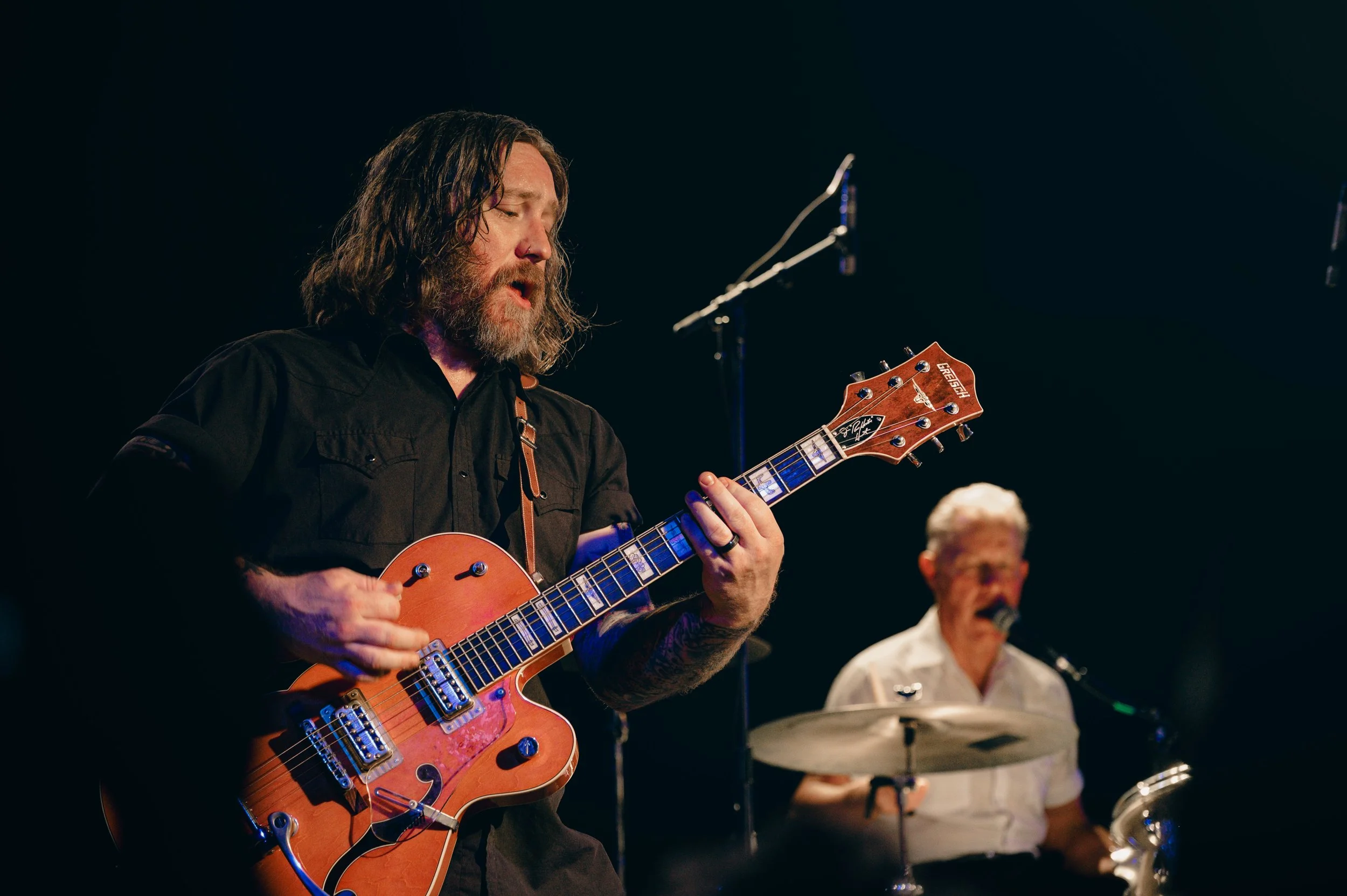
Things slowed down slightly when Black Joe Lewis and his band took over, but their musicianship was undeniable. Their blues-driven set showcased intricate guitar work, with Lewis moving across the fretboard with effortless precision and style, setting the stage for what was to come.




REVEREND HORTON HEAT
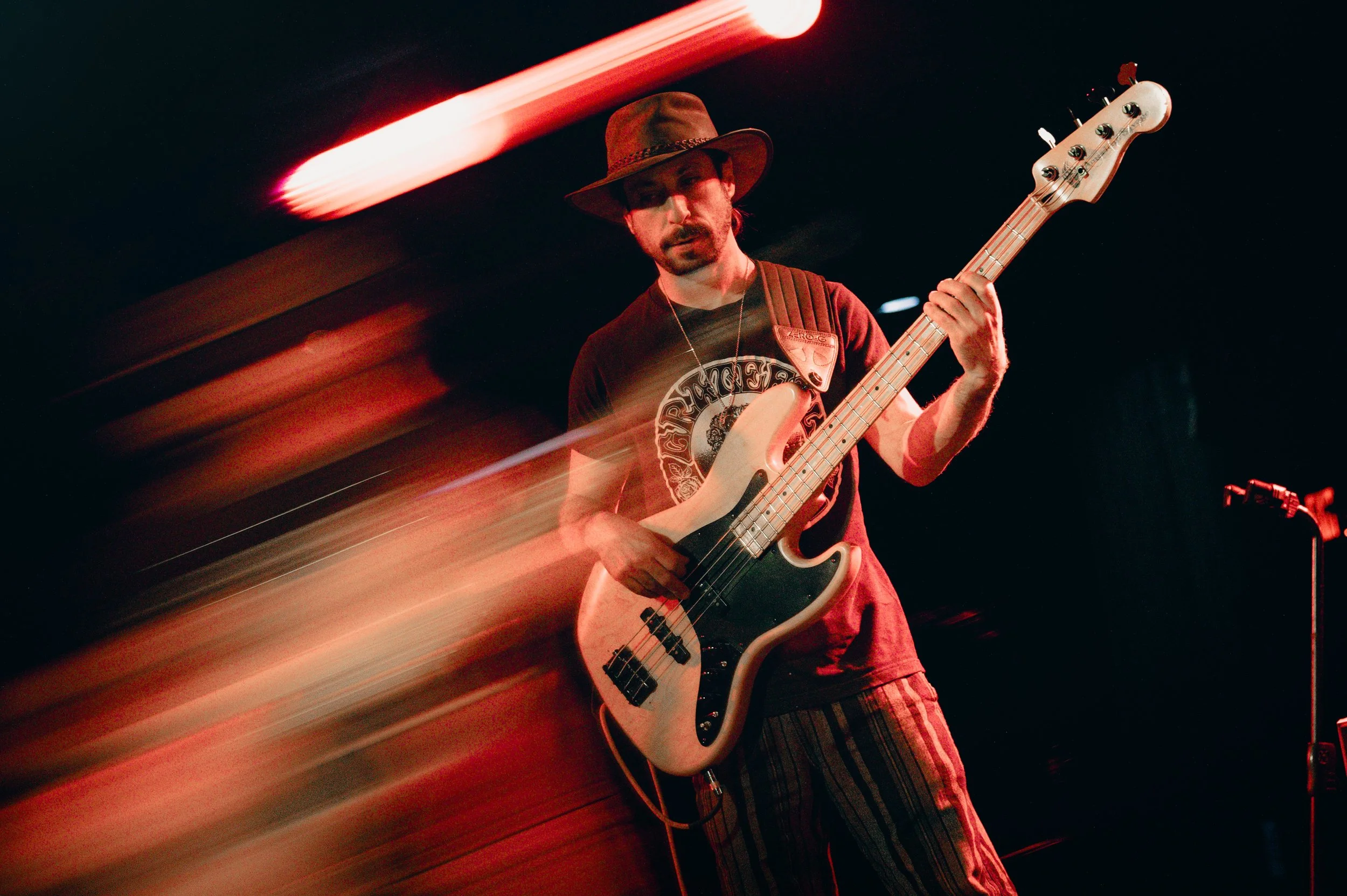
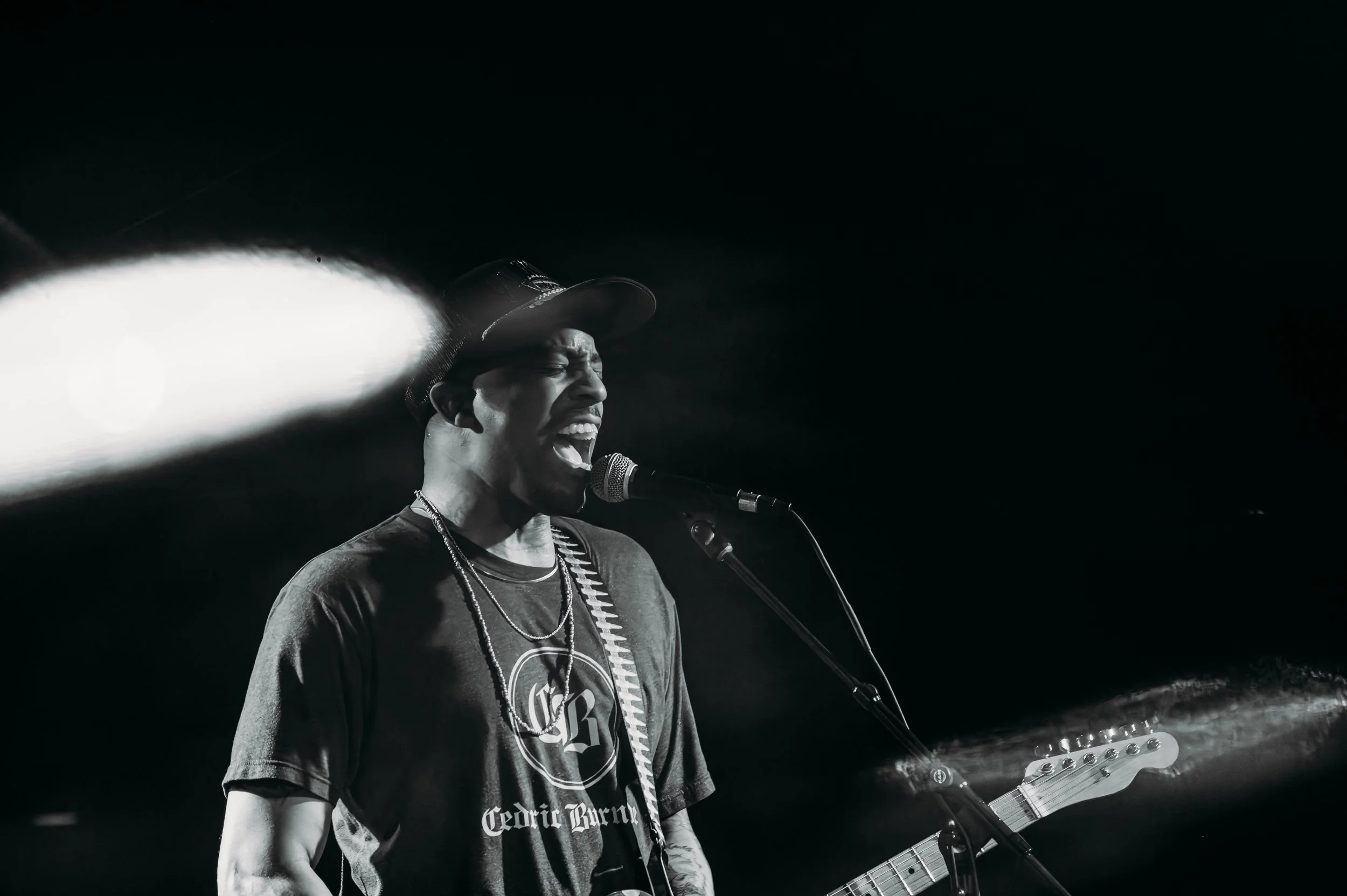
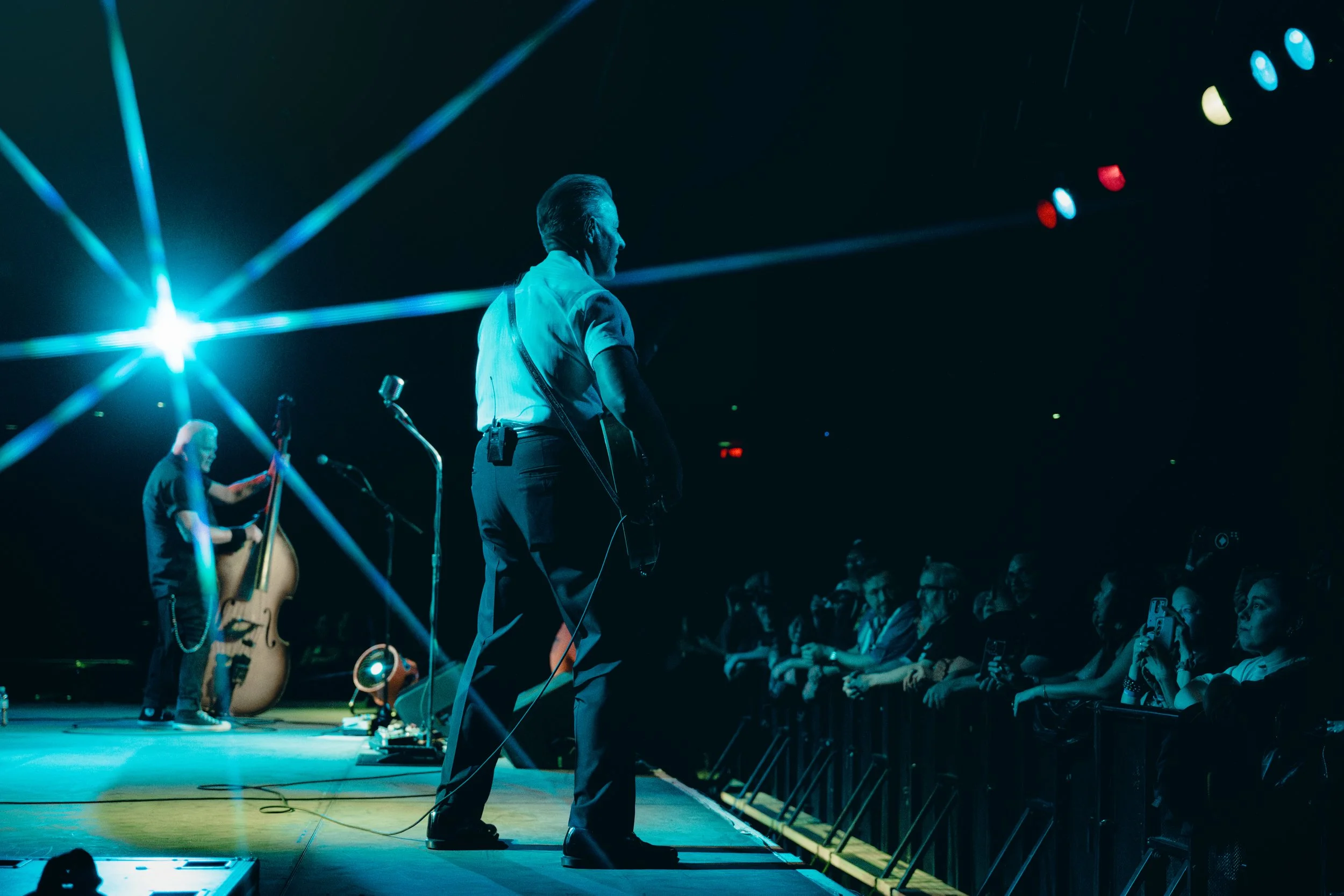
When Reverend Horton Heat took the stage, the room was packed and buzzing with anticipation. An adorable couple who looked like extras from Grease, passed the time swing dancing near the front, a perfect preview of the energy to come. The band kicked off their set with a bang, launching into “Bullet” and “Baddest of the Bad,” two of their fastest, most ferocious tracks from the early ’90s. From there, they tore through a 90-minute set spanning their four-decade career, mixing fan favorites with a few well-placed covers.
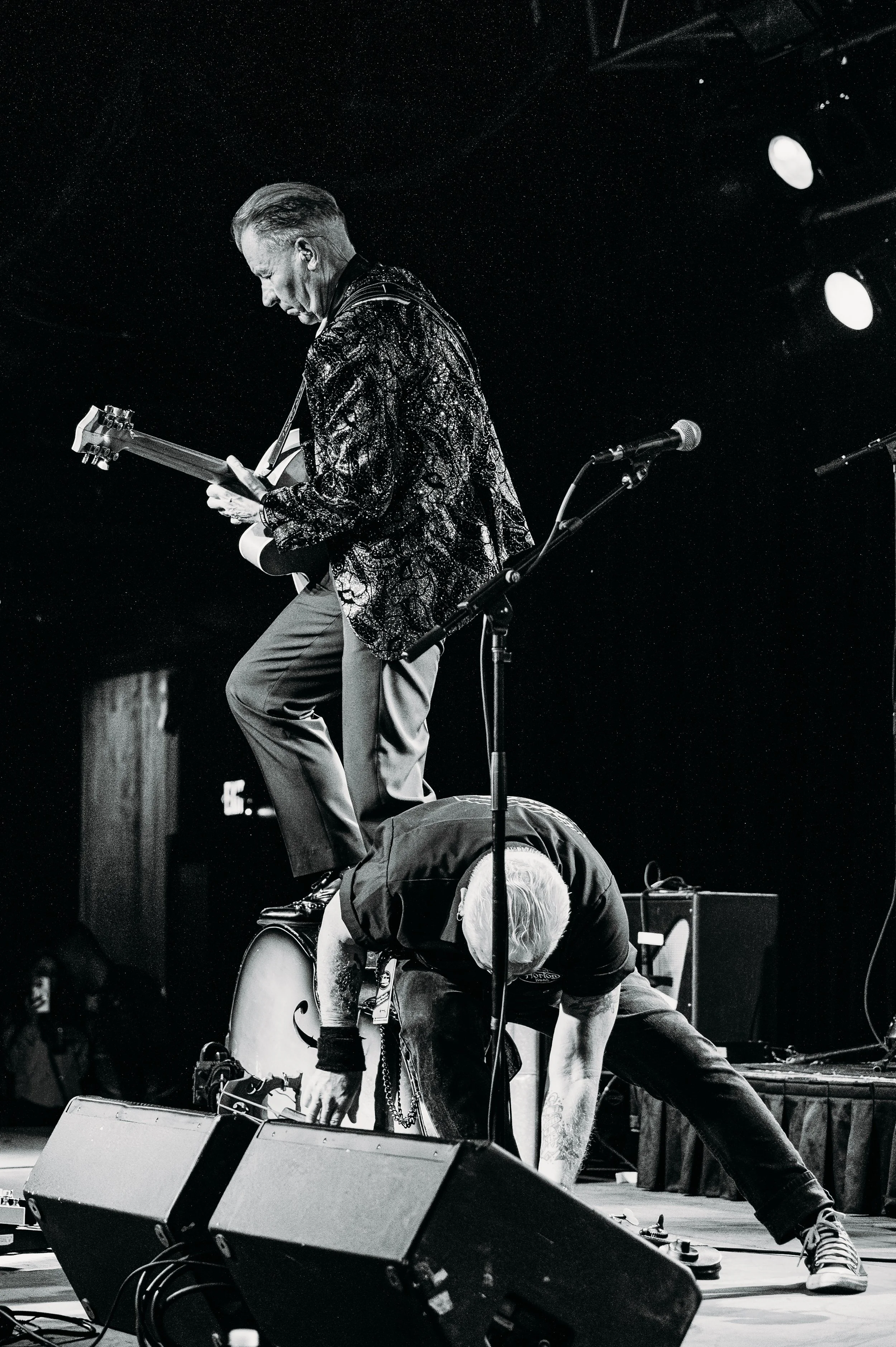
Among the highlights was “Let Me Teach You How to Eat,” which sent the crowd into a frenzy of singing, jumping, and dancing. During “Galaxy 500,” a small swing-dancing circle formed, couples spinning and stepping in time, and the momentum carried into “Big Red Rocket.” At one point, Jimbo Wallace laid his upright bass on its side while Jim Heath climbed on top of it, continuing to play guitar without missing a beat. This was a moment that perfectly captured the band’s playful showmanship.
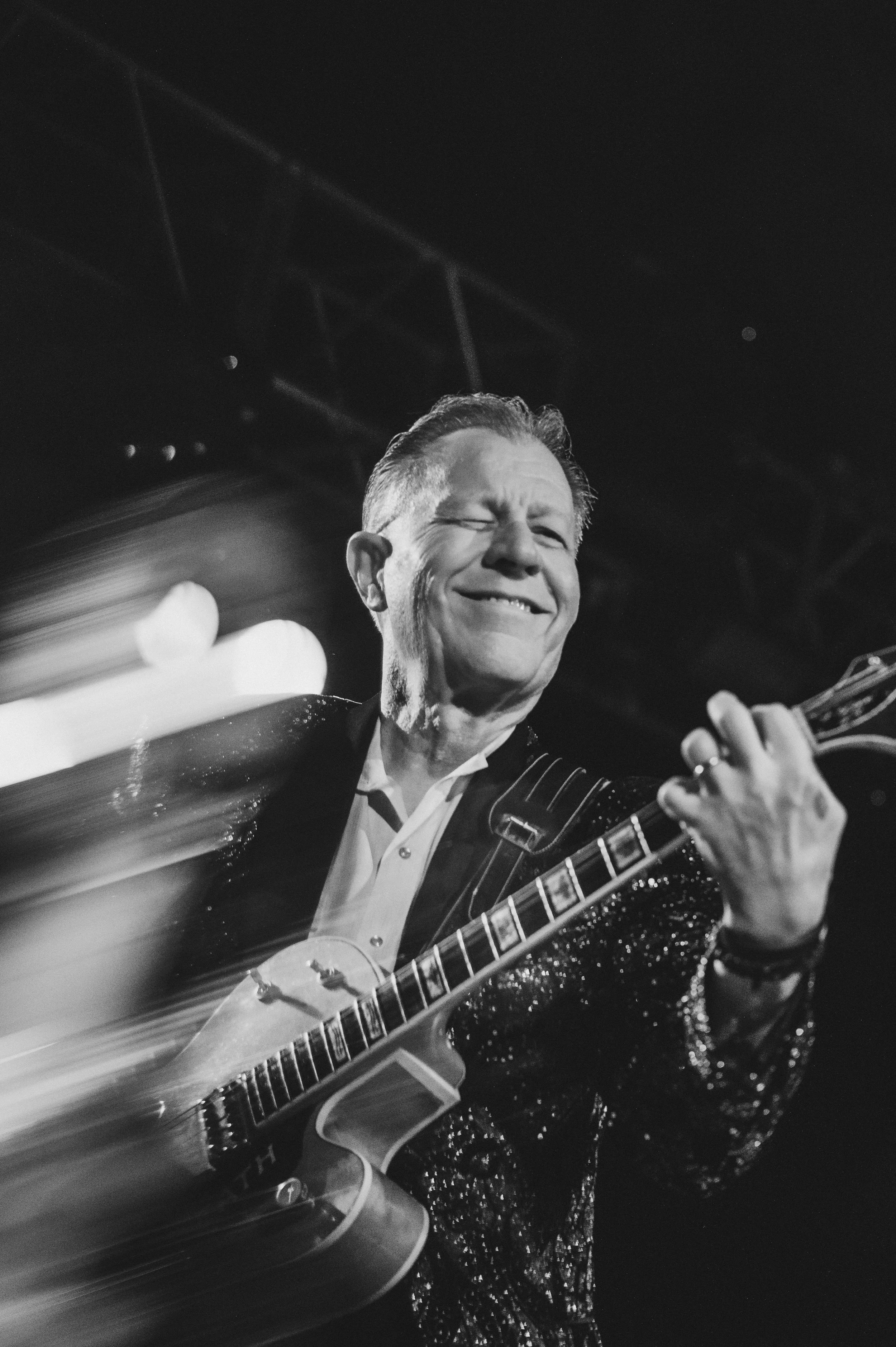
Throughout the night, Heath paused between songs to regale the audience with stories from decades on the road, including a few self-deprecating and slightly embarrassing ones. He took lighthearted jabs at his bandmates, the kind that only come from years of friendship. It made the whole evening feel less like a performance and more like a hangout, with Heath effortlessly guiding the room. He’s a natural on stage, as comfortable telling stories as he is tearing through a solo.
Toward the end of the set, Heath shared a story about receiving a call from an actor on the show Landman. The actor—who he initially refused to name—told him the producers were searching for a song that was “kind of country, but more chaotic.” Heath laughed, then finally gave in: “Okay, Billy Bob Thornton.” The band then launched into “I Found Blue,” the track that made its way onto the show’s soundtrack.
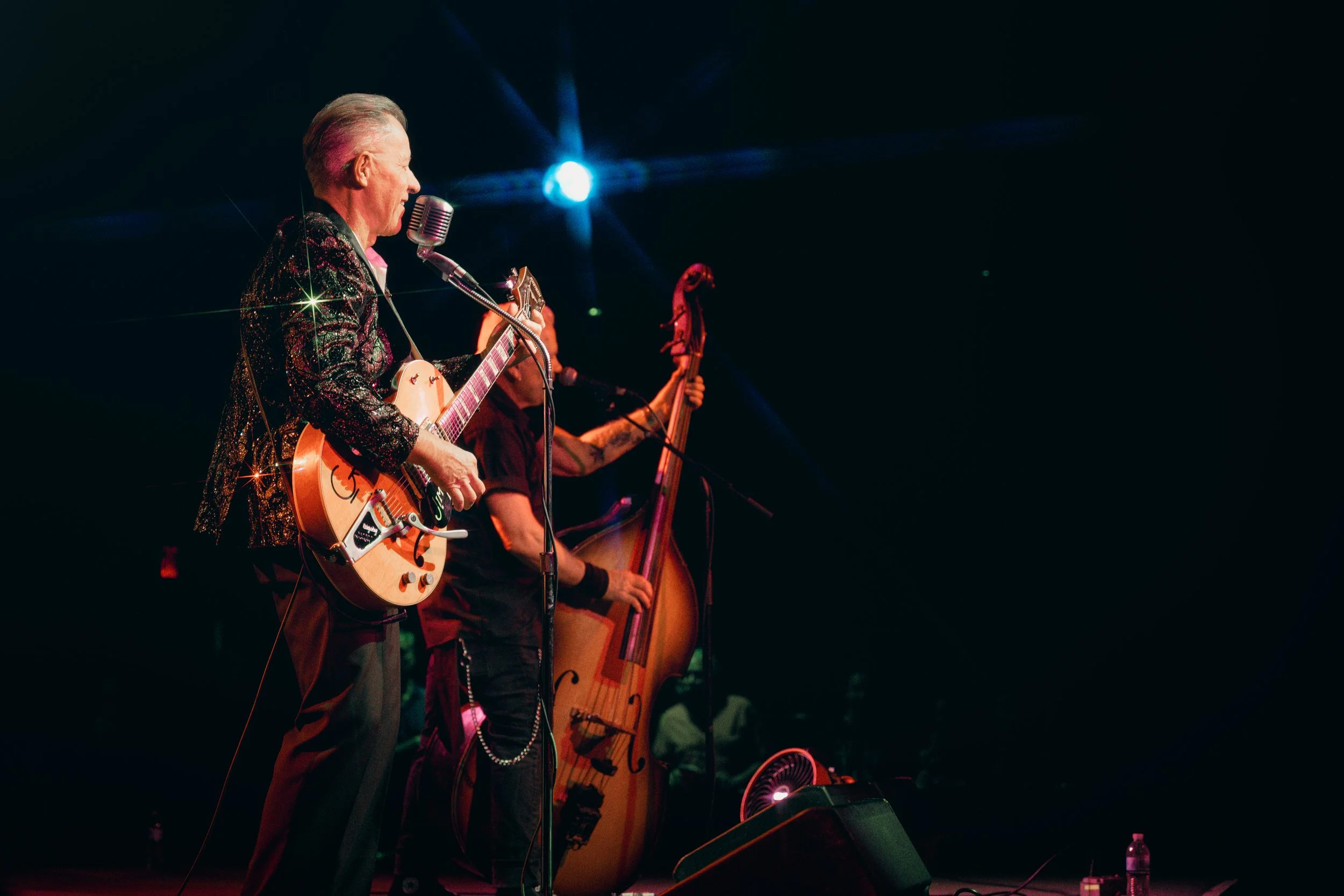


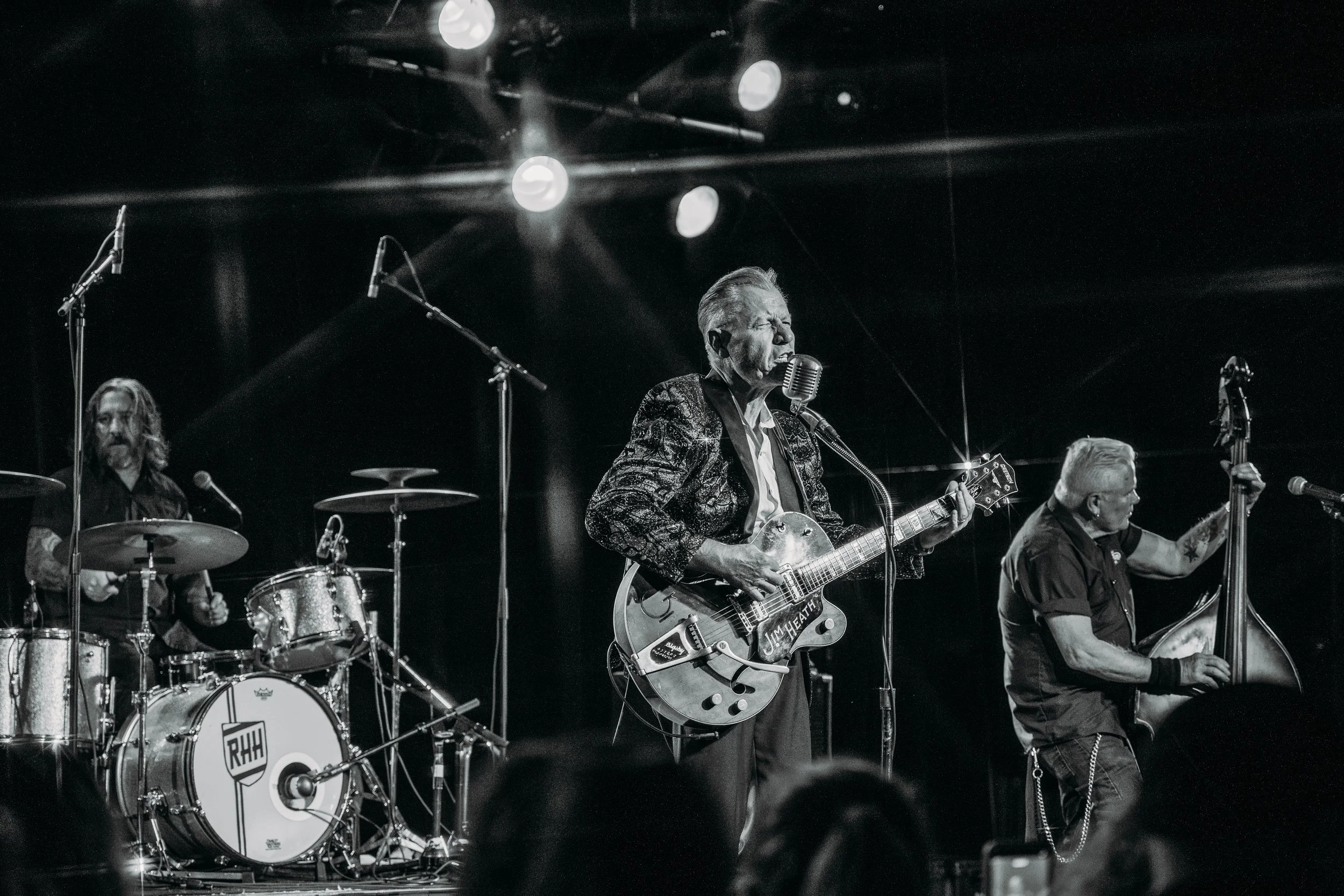
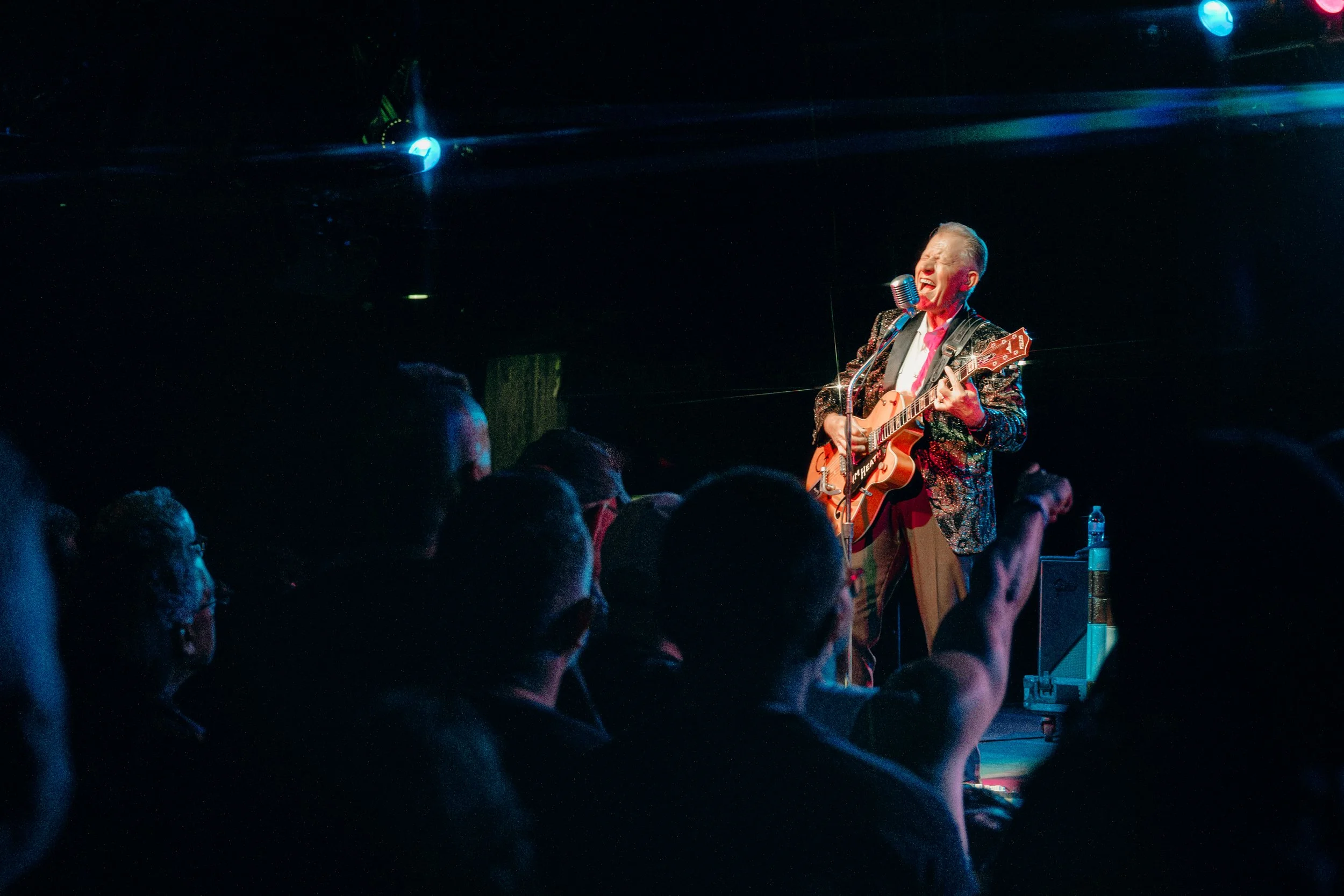
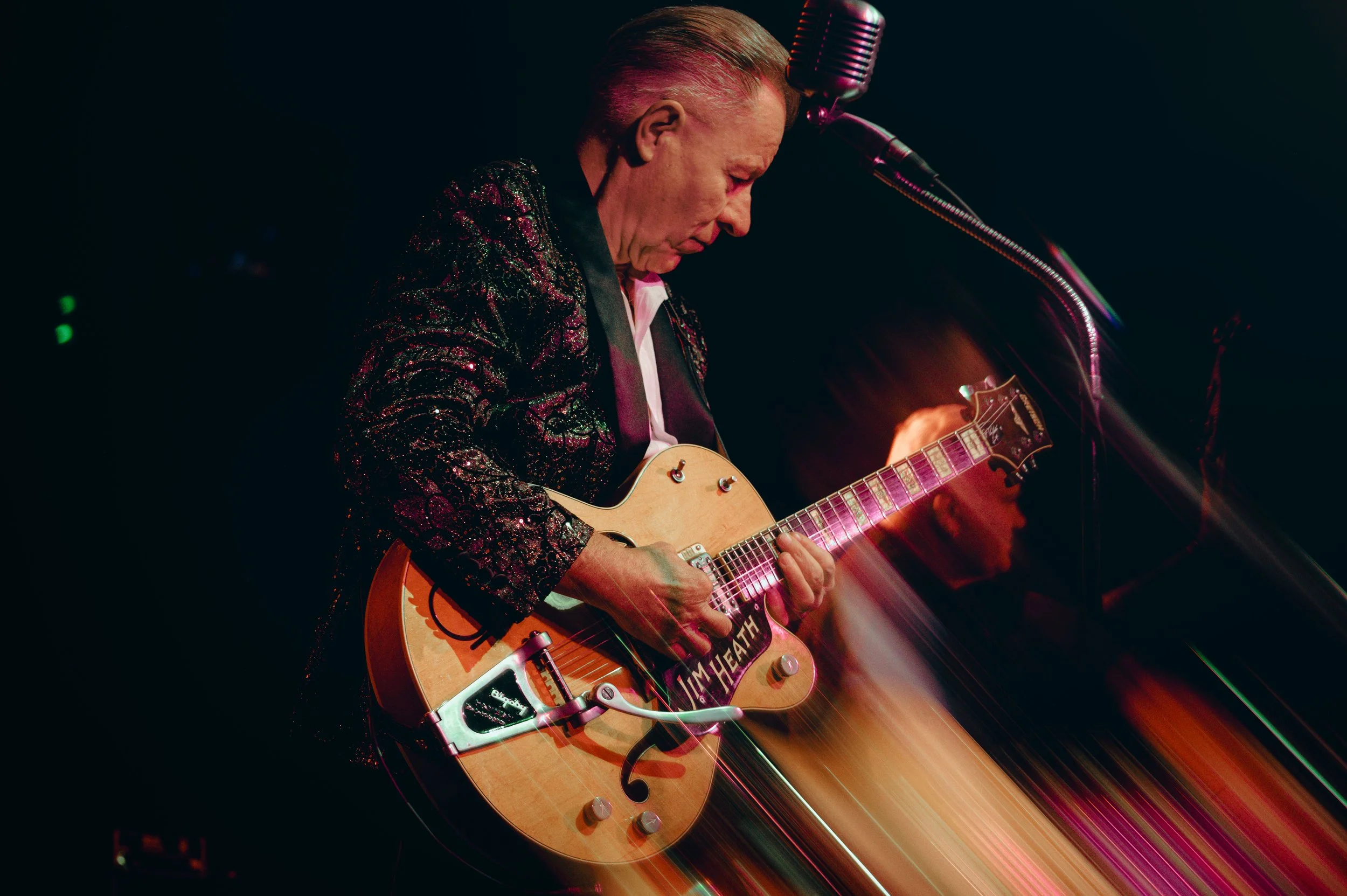
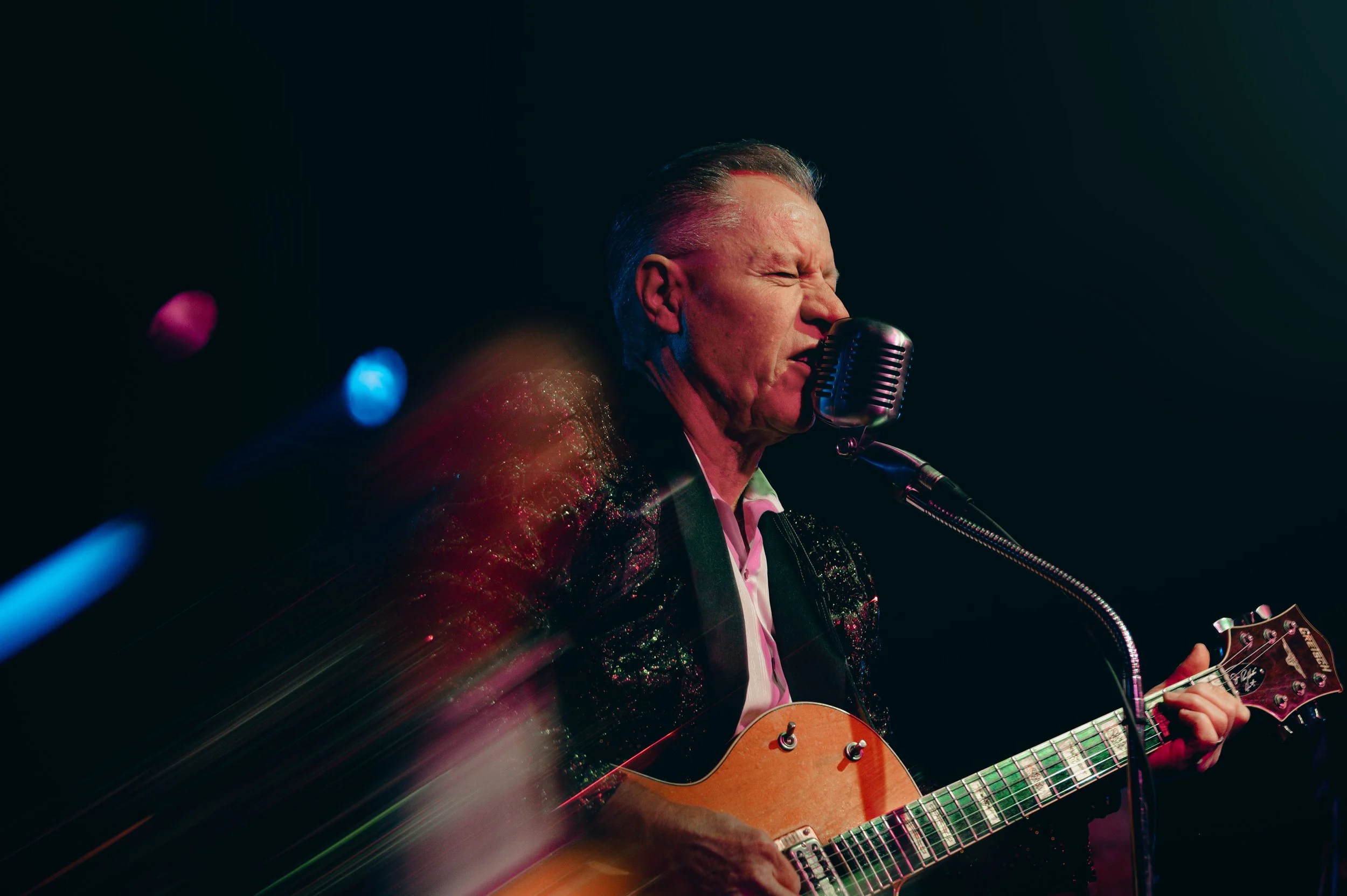
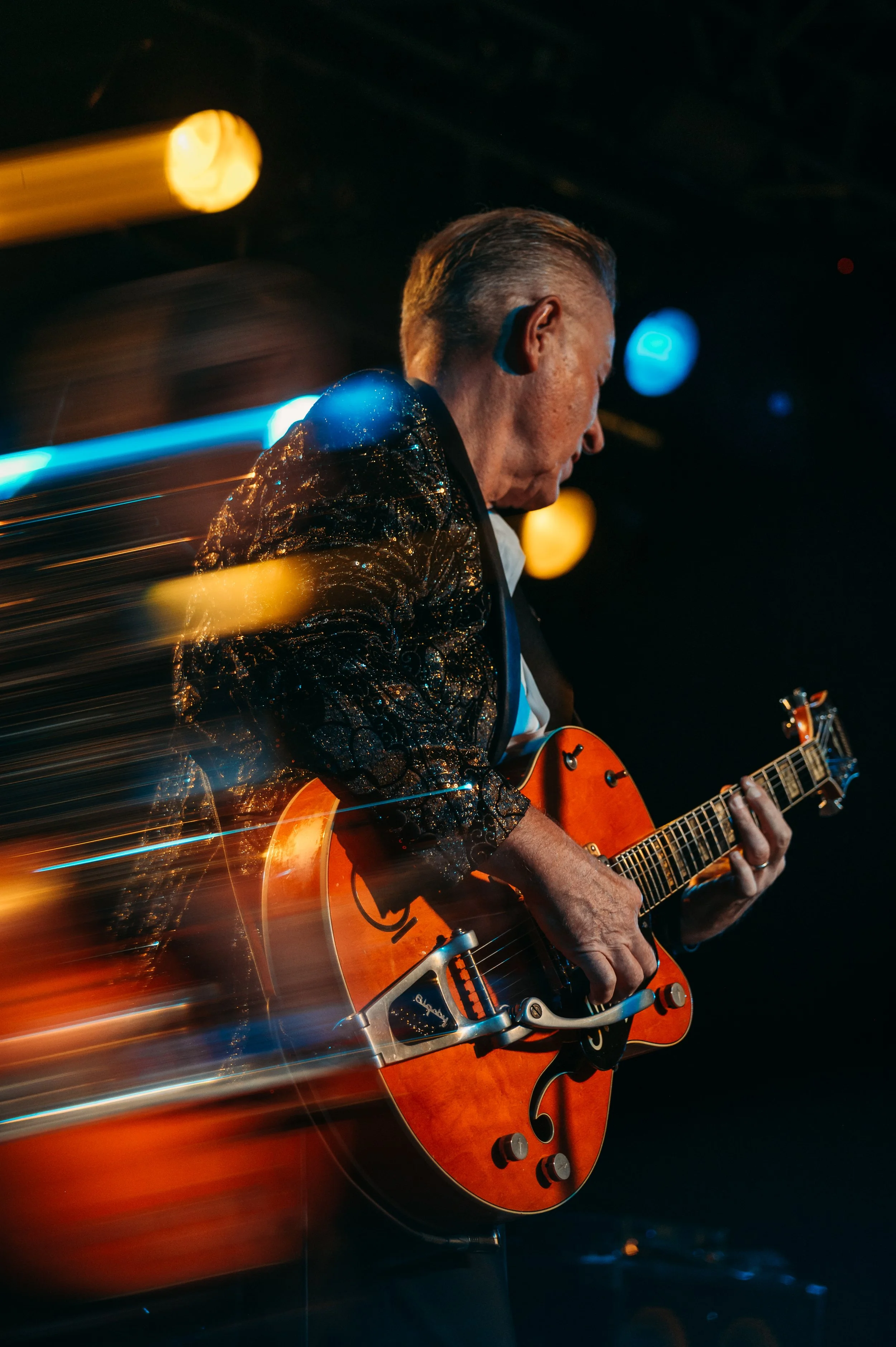
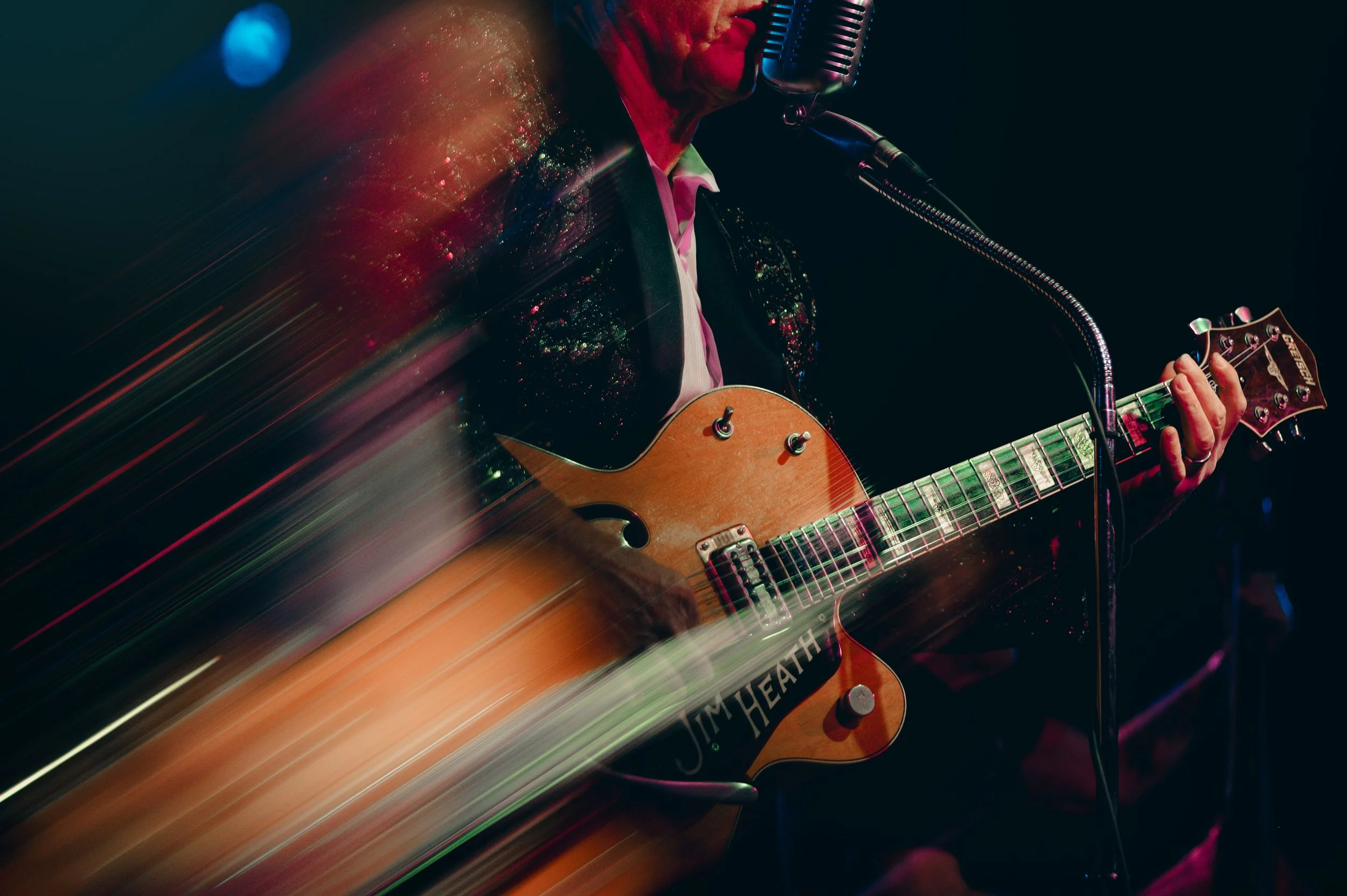
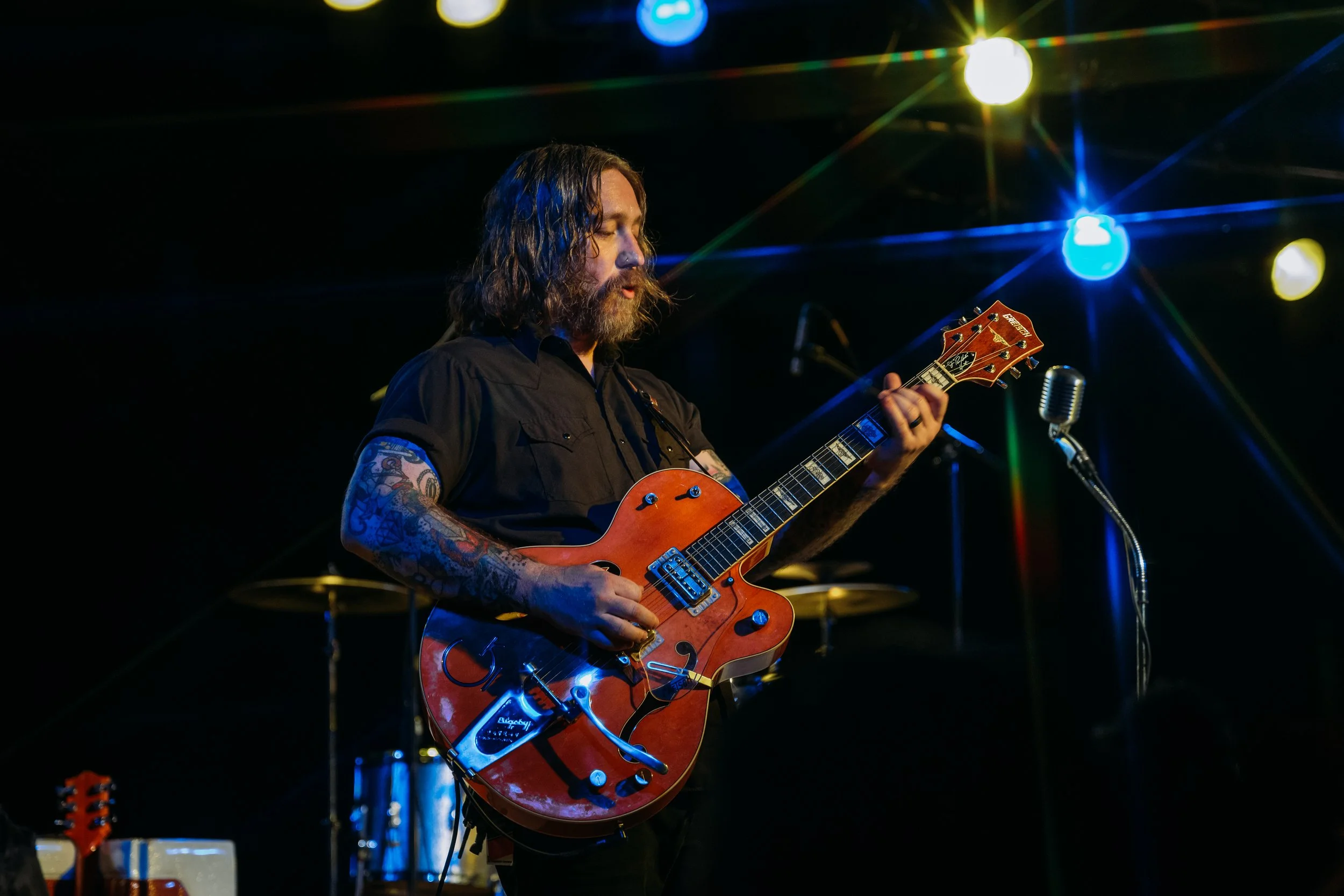
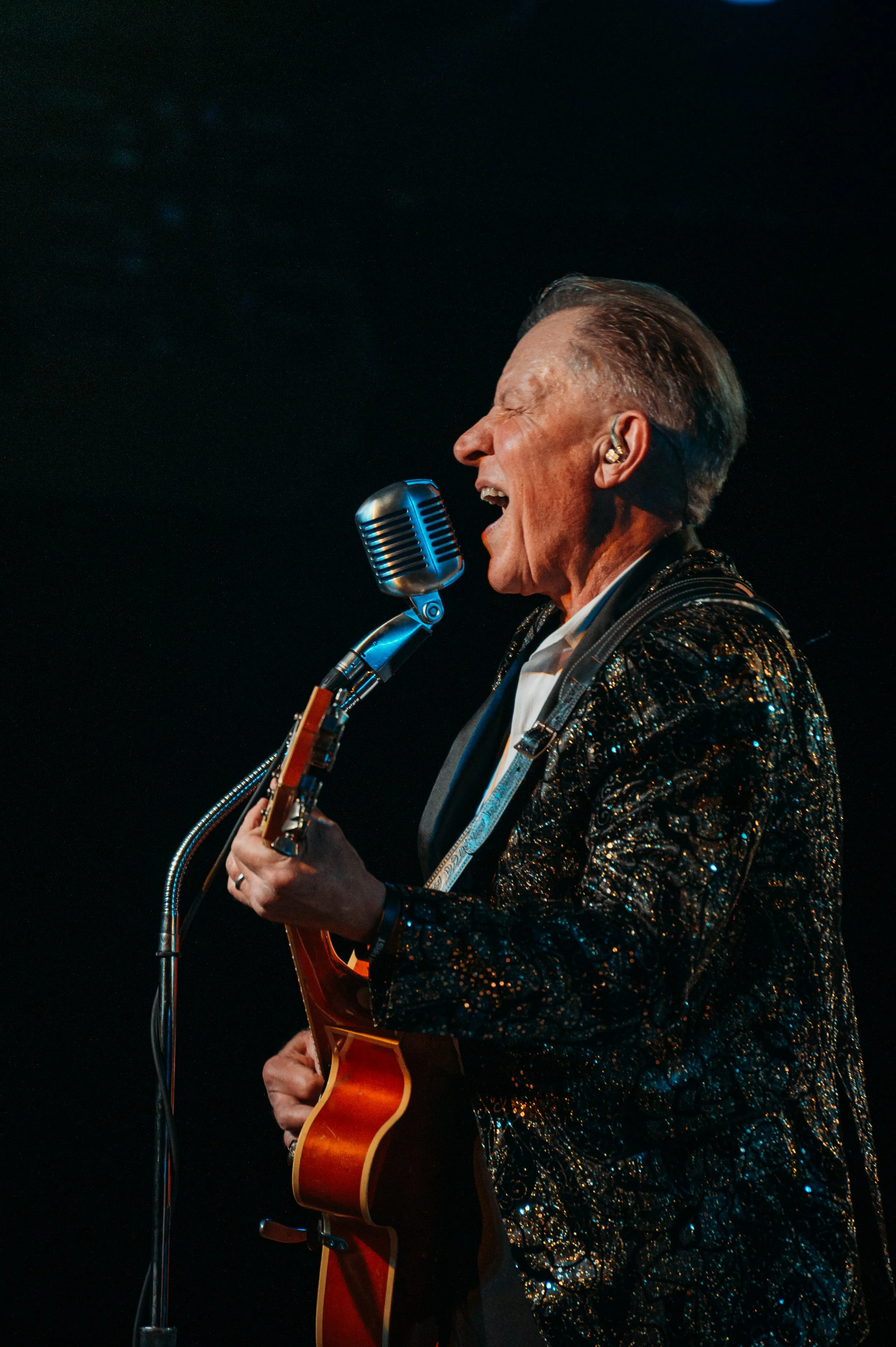
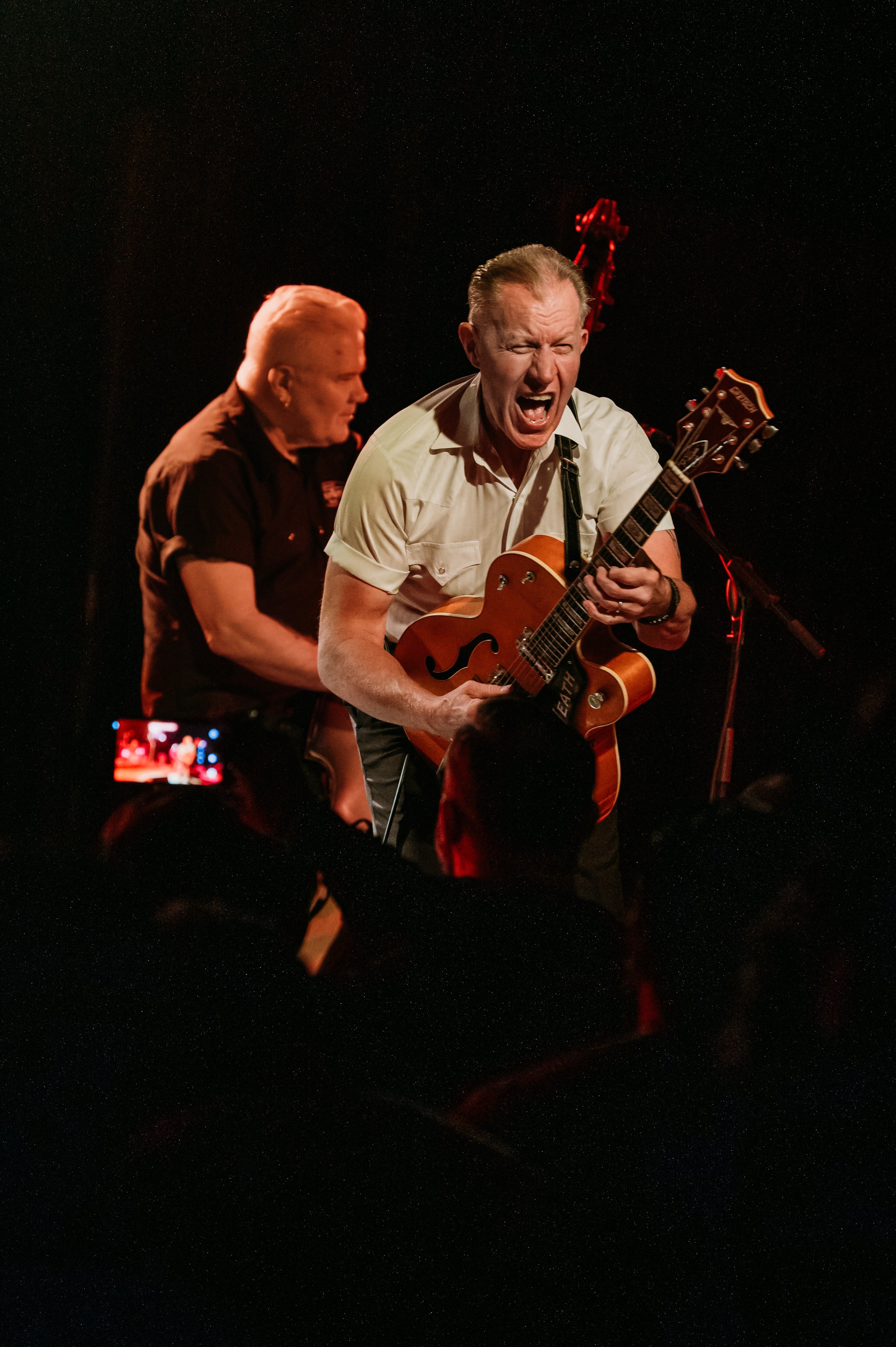
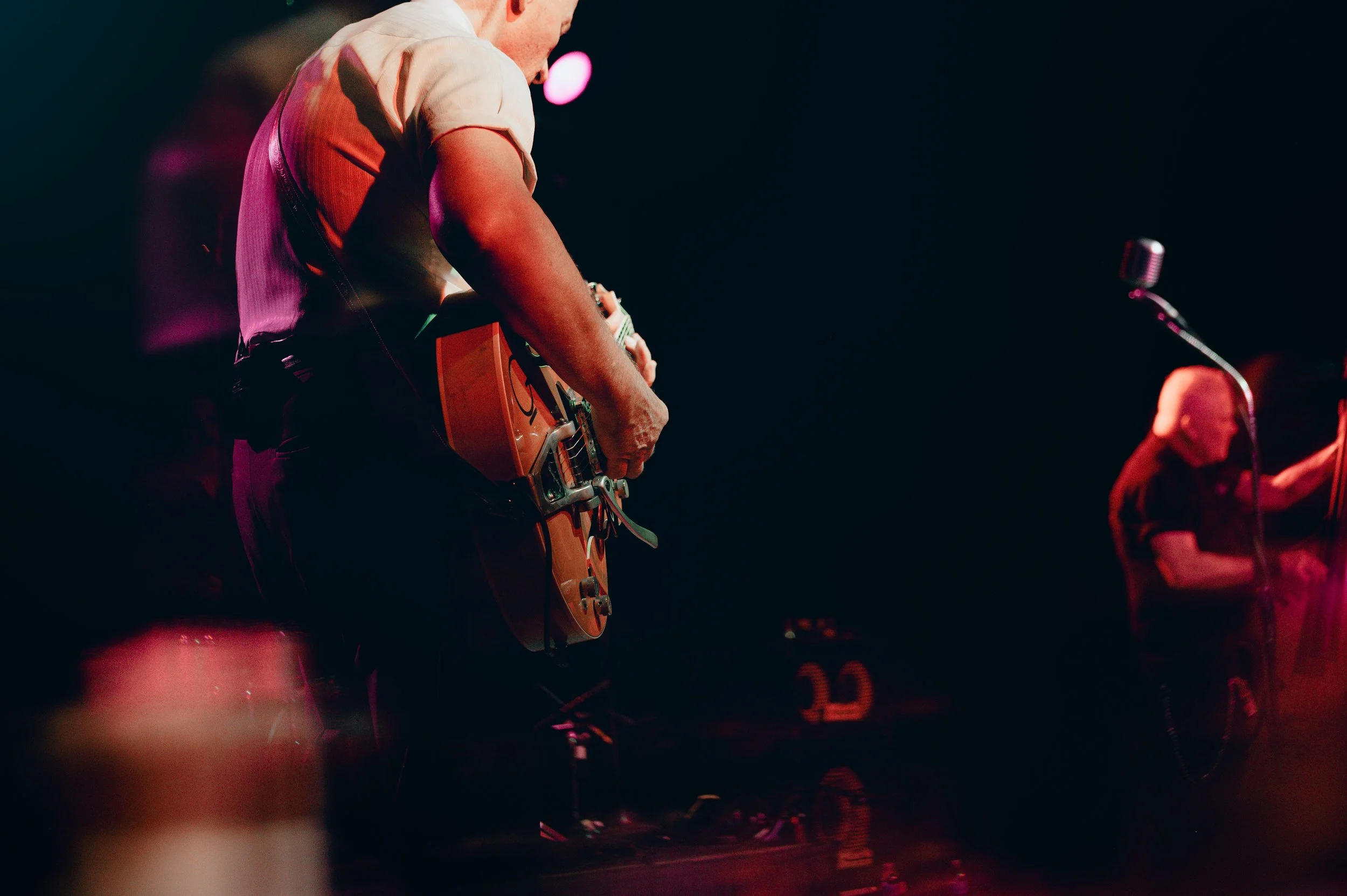

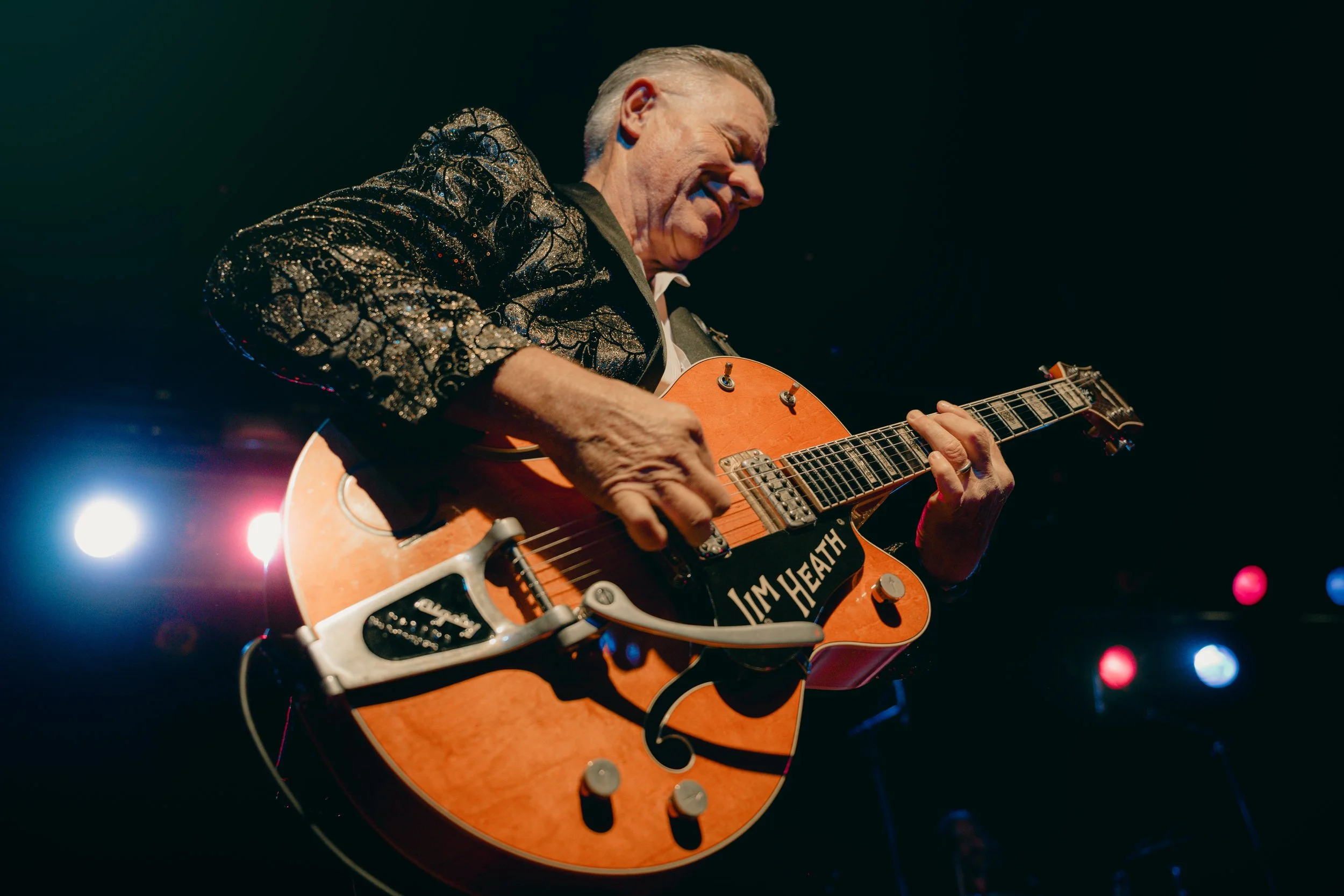
One of the final songs of the main set was “Psychobilly Freakout,” the same track that frustrated many players on Guitar Hero II. Heath made it look effortless, flying up and down the fretboard with a velocity that felt almost combustible, a reminder of exactly why the band has earned its name.
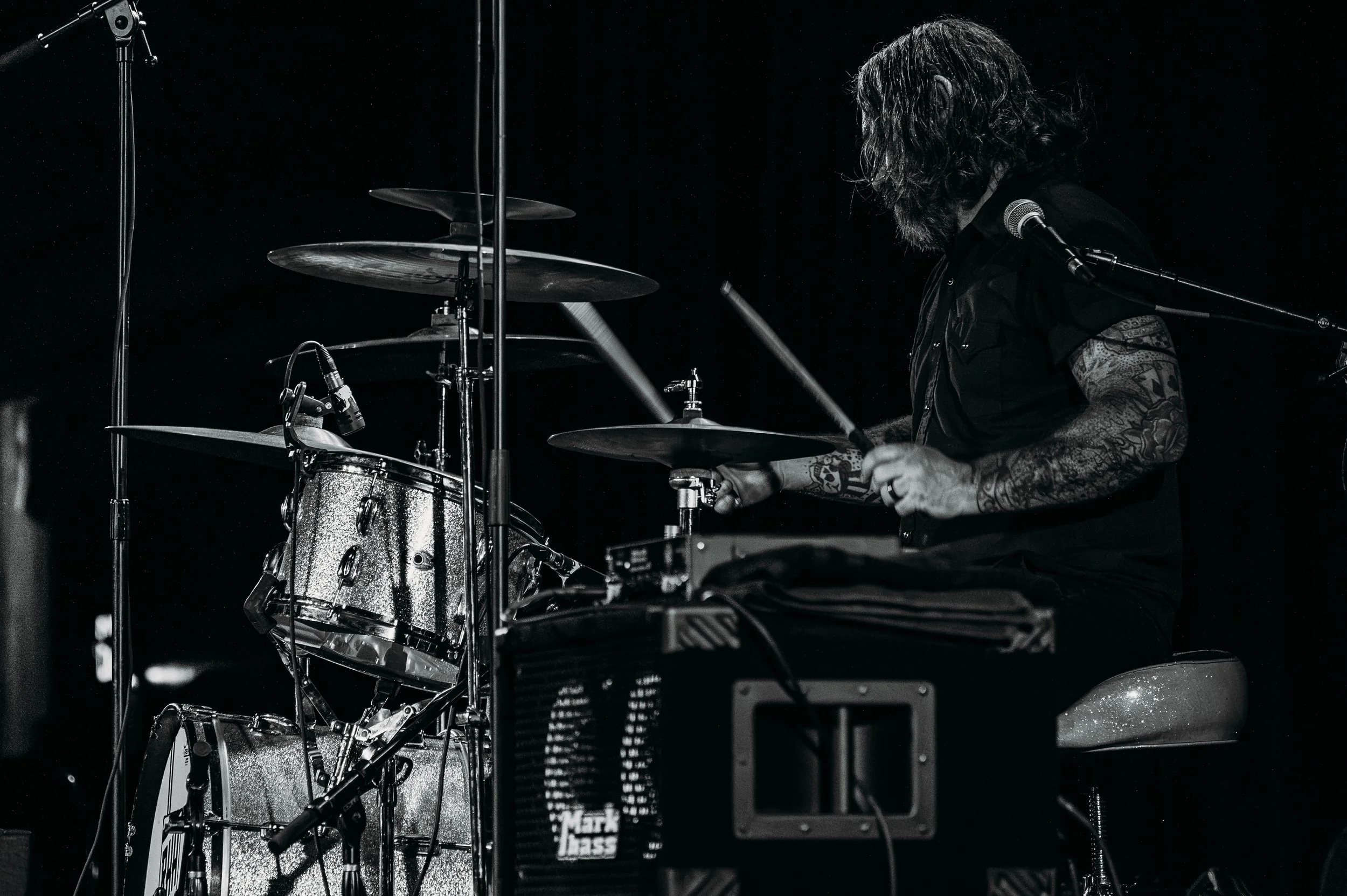
For the encore, the band returned with a surprise twist. Heath took a seat behind the drums for “Gravel Farmer,” a song written by Wallace, while Jonathan Jeter stepped forward on lead guitar—showcasing just how multi-talented each member of the trio truly is.
The night closed with a cover of Motörhead’s “Ace of Spades,” prompting a full-fledged mosh pit to break out, one of the more familiar expressions of rock and roll chaos.
What makes Reverend Horton Heat so enduring isn’t just their longevity; it’s their refusal to sit still inside a single genre. While rooted in rockabilly, their sound stretches outward, pulling in the grit of punk, the swagger of rock, the rhythm of ska, and the storytelling of country. In many ways, they don’t just play rockabilly, they show how it evolved, how it splintered, and how it still pulses through modern music. Watching them live feels less like stepping back in time and more like witnessing the connective tissue between decades of sound, all tied together in one loud, joyful, and wonderfully chaotic performance.
REVEREND HORTON HEAT | WEBSITE | INSTAGRAM | FACEBOOK | YOUTUBE